
Designing your dream home is an exciting milestone, but a safe, comfortable and lasting space requires planned measures. Land choice, costs, approvals and other factors shape the experience and outcome.
A clear plan balances wants and needs, reduces expensive surprises and makes the process more manageable for every household. Before you start construction, understand the basics of Skyline Builders and the home-building process.
Choose the Plot Carefully
Assess the access, drainage, soil, water availability and closeness to schools, hospitals and more. Examine the flood history and rainwater movement in flooded areas in monsoon-prone regions. Examine site limits and verify residential zoning. The foundation relies on soil assessment. Location influences ease.
Investigate adjacent properties, wall boundaries, and nearby commercial activity that may restrict privacy or future building. Go at different times to look at traffic, noise, light and activity. Monitor service access throughout the year and infrastructure planned development.
Prepare a Complete Budget
Incorporate all costs, including land, design & approvals, labour, materials and services, interiors, landscaping, utilities, taxes, etc. Set aside money for unforeseen site costs or changes in prices. When asking for estimates from Skyline Builders, or any other supplier, ensure that you have the individual specifications and clarifications of the exclusions. Get quotes based on the same scope, not just price.
Include servicing and utility payments. If cash-flow interruptions may happen when you borrow funds, estimate repayments and stage loan disbursements with construction to avoid this.

Design for Your Household
Design bedrooms, kitchens, shared spaces, and workplaces to fit in with daily routines. Prioritise daylight, ventilation, privacy, storage and furniture placement.
Choose safer stairs, more accessible bathrooms and step-free routes for children, older relatives and anyone else who needs them. Have your architect and Skyline Builders discuss your needs while changes are still possible.
Check Legalities and Approvals
Prior to starting any work, check ownership records and documents. Generally, you need local authority approval for your plans, which differs by state and municipality. Verify the applicable requirements of RERA.
Examine the terms and conditions, project deliverables, timeline, change control and signing authority for the agreement. Seek legal advice if terms are unclear; avoid verbal promises.
Select Professionals and Track Quality
Verify qualifications, references, projects, and coaching methods. Assess Skyline Builders like any other contractor through verifiable work, documentation and communication. Visit the site and record the choices made.
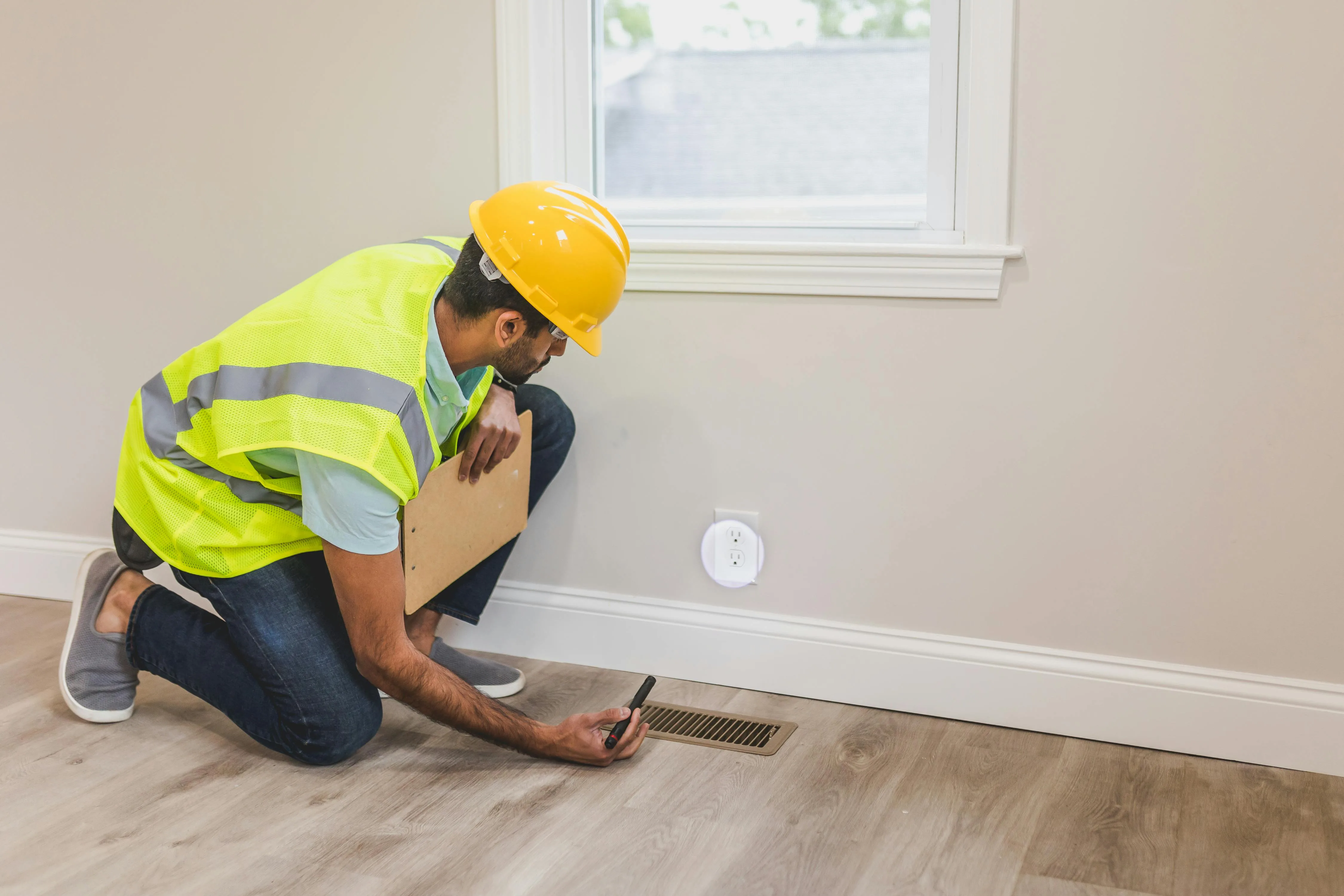
Examine foundations, reinforcements, concrete, waterproofing, wiring and plumbing before concealment. Ask for the testing reports and clarify defect handling and accountability. Verify on-site material storage and weather protection, and ensure compliance with approved drawings and codes of practice. Pictures from the scene provide a useful record.
Plan for Efficiency and Maintenance
Keep the heat down, use daylight and encourage cross ventilation. Examine appropriate places for efficient lighting, insulation systems, solar, and rainwater harvesting.
Select durable, practical finishes. Consult with Skyline Builders or your chosen team regarding access for tank, drain and equipment maintenance. A flexible plan allows for family growth, remote work or aging.
Maintain Clear Communication
Agree on any changes, with update approvals, delay reporting and documentation. Arrange sketches, invoices, and bills. Steer clear of undocumented changes that cause cost or liability disputes.
The contractor should review what has been accomplished so far, what is ongoing, and what is up next. Effective communication helps align expectations across the team.
Conclusion
Creating a dream home is not just about good architecture; it also requires well-informed planning and active involvement. Document your commitment, prioritize practical choices, and seek qualified advice for technical or legal issues.
Do not wait to make decisions; speak to a Skyline Builders or another construction partner as you create a home that works for your family now and in the years ahead.
Also Read: How to Choose the Best Residential Home Builder for Your Dream Home
Frequently Asked Questions
Is home design up for change once construction starts?
Yes, alterations can affect costs and schedules. Consult your architect and engineer first, then give written approval of drawings and expenses.
What is a snag list during handover of a house?
A snag list is a formal document that outlines defects or unfinished items the contractor must address.
Is home insurance required during construction?
Construction insurance may cover site damage and incidents that occur during construction. Before work starts, carefully review policy coverage and exclusions with the insurer.