
We live in a world where flawless, bright, even-toned skin is a high ground of standard beauty. This is something we all strive for, despite accepting the common norm that “beauty lies within." Thus, achieving that idealized skin tone has changed the aesthetic industry like never before. Nowadays more and more people are turning their heads towards an aesthetic treatment called “skin lightening.” While this treatment is a legitimate medical procedure for targeting hyperpigmentation, melasma, sunspots or any other skin flaws, it is also a highly preferred aesthetic procedure.

However, despite its numerous benefits, the treatment also surrounds a fair share of misinformation and myths. If you are considering skin lightening treatment in Noida and wondering what to believe and what’s not, then you have landed on the right page. The blog separates myths from facts, helping you make an informed decision about skincare while promoting safe, health and realistic expectations. Stay tuned for further information.
Here are debunking some of the common myths about skin lightening treatment.
Myth 1: Skin lightening is the same as skin bleaching
Myth: Skin lightening and skin bleaching are interchangeable terms.
Fact: These are not the same and understanding the difference is crucial.
- Skin lightening typically refers to treatments aimed at reducing dark spots, evening out skin tone, and addressing hyperpigmentation.
- Skin bleaching, on the other hand, often involves harsh chemicals like hydroquinone or mercury that aim to alter the skin’s natural color, which can lead to serious health risks if not used under medical supervision.
Myth 2: Skin lightening treatments work instantly
Myth: You'll see immediate results after using skin lightening creams or undergoing treatments.
Fact: True skin lightening takes time and consistency.
Most treatments whether topical creams, chemical peels, or laser therapies take several weeks to months to show noticeable results. Skin cell turnover takes around 28 days, and deeper pigmentation may require multiple treatment sessions.
Myth 3: Natural remedies are always safe for lightening skin
Myth: Homemade remedies like lemon juice, baking soda, or toothpaste are safe and effective for skin lightening.
Fact: "Natural" does not always mean safe.
- Lemon juice is acidic and can cause skin irritation, chemical burns, or make your skin more sensitive to the sun.
- Baking soda disrupts the skin’s natural pH and may lead to dryness and irritation.
- Other DIY remedies often lack scientific backing and may worsen the skin condition.
Myth 4: Skin lightening is only for cosmetic reasons
Myth: People use skin lightening treatments only for beauty or vanity.
Fact: Many individuals seek treatment for medical reasons.
Skin lightening can be medically recommended for conditions like:
- Melasma
- Post-inflammatory hyperpigmentation
- Sunspots
- Acne scarring
These are not about changing your natural skin color but rather about restoring an even tone and treating skin damage or disorders.
Myth 5: Darker skin tones should avoid lightening treatments
Myth: People with darker skin should avoid any lightening products or treatments.
Fact: While darker skin tones are more prone to pigmentation issues like hyperpigmentation or keloids, they can still benefit from skin tone-correcting treatments, if done properly.
In fact, certain treatments like kojic acid, azelaic acid, and niacinamide are effective and safe for melanin-rich skin when used under professional guidance.
Myth 6: Over-the-counter creams are always safe
Myth: If it’s available at a pharmacy or online, it must be safe.
Fact: Many over-the-counter products may contain undisclosed or banned ingredients, such as:
- Mercury: A toxic heavy metal
- High-concentration hydroquinone: It can cause exogenous ochronosis (skin darkening) with prolonged use
Some products are manufactured in countries with poor regulation standards and can cause irreversible skin damage.
Myth 7: You can lighten your entire body safely
Myth: Full-body lightening is a safe and achievable goal.
Fact: The desire to completely change one’s natural skin tone poses both health and ethical risks.
- Full-body skin lightening often requires strong chemicals or illegal treatments.
- It can affect melanin production, increase sun sensitivity, and result in uneven pigmentation or permanent skin damage.
Myth 8: Sunscreen isn’t necessary during skin lightening treatment
Myth: You don’t need sunscreen while lightening your skin.
Fact: Sunscreen is crucial, even more so during skin-lightening treatments.
UV rays can worsen pigmentation and undo the effects of your treatment. In fact, sun exposure is a major trigger for melasma and hyperpigmentation.
Myth 9: All pigmentation issues require lightening treatments
Myth: Any dark spot or discoloration needs a skin-lightening cream.
Fact: Some pigmentation may be due to underlying skin conditions like:
- Fungal infections
- Hormonal imbalances
- Inflammatory disorders
Using skin-lightening products without proper diagnosis may mask symptoms or worsen the issue.
Myth 10: Skin lightening leads to permanent results
Myth: Once you lighten your skin, the results last forever.
Fact: Most results are temporary and require maintenance.
Without consistent skincare, sun protection, and addressing the root cause of pigmentation, discolouration can return. Skin also continues to change due to aging, hormones, and environmental exposure.
Get expert consultation at the best skin clinic in Noida, Skinlogics!
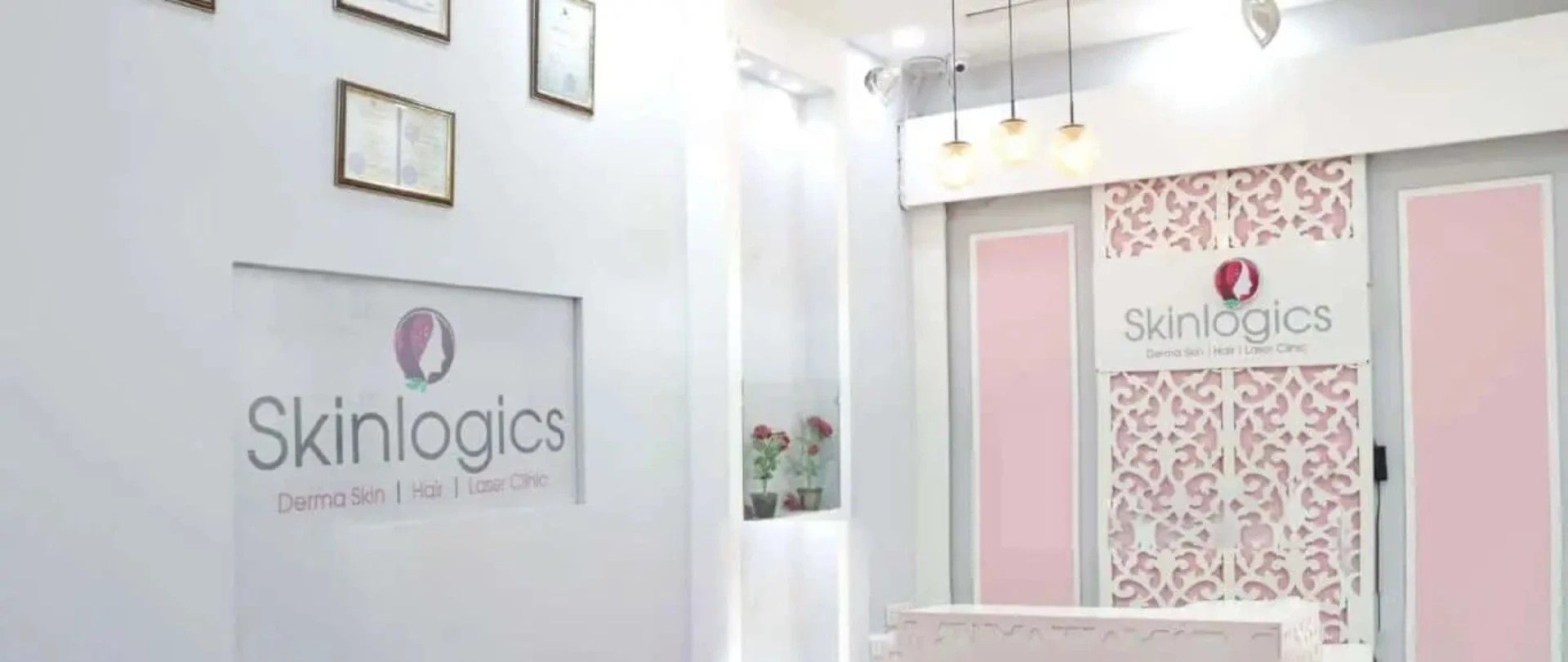
The desire for even-toned, healthy skin is completely natural. However, it’s important to have a realistic expectation that beauty comes in all shades. Debunking the myths around skin lightening treatment helps us to make informed choices and safer skincare practices. If you are considering this treatment, then it is important to have expert consultation. To consult a skin expert, book an appointment at the best skin clinic in Noida, Skinlogics, today!