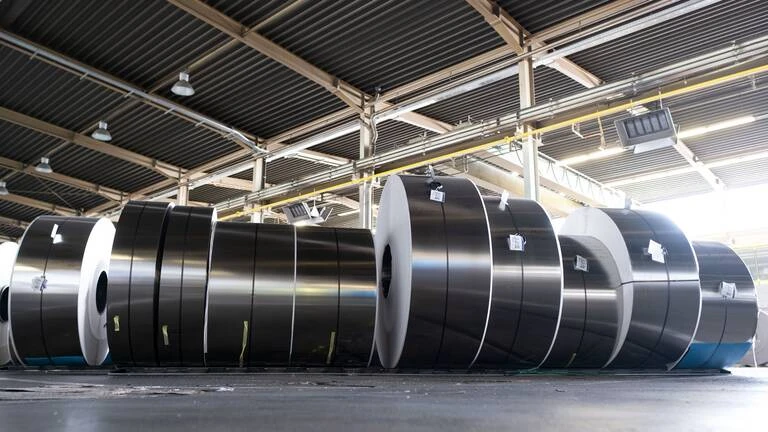
The automotive, electrical, construction, and manufacturing industries utilize cold-rolled carbon steel strips. Due to their strength, smooth, refined surface, and high precision, these strips are highly sought after in high-performance sectors. If you're unfamiliar with carbon steel, this article will explain the significance of cold-rolled carbon steel strips, their applications, and their manufacturing process—especially in the context of India's growing industrial sector.
What is a Cold-Rolled Carbon Steel Strip?
Cold-rolled carbon steel strips have a smooth surface and are formed after cooling. They are cold-rolled. Rather than being processed at high temperatures, carbon steel strips are treated with precision at standard temperatures.
Difference Between Hot Rolled and Cold Rolled Steel
The explanation is simple:
Hot-rolled steel is formed at high temperatures, which facilitates shaping; however, it is somewhat less precise in dimension and surface quality.
Cold–rolled steel is processed at room temperature, resulting in a harder, smoother, and more dimensionally accurate strip compared to the former.
Further cold working results in increased hardness, further improving the durability of the cold-rolled steel, which makes it ideal for high-demand applications.
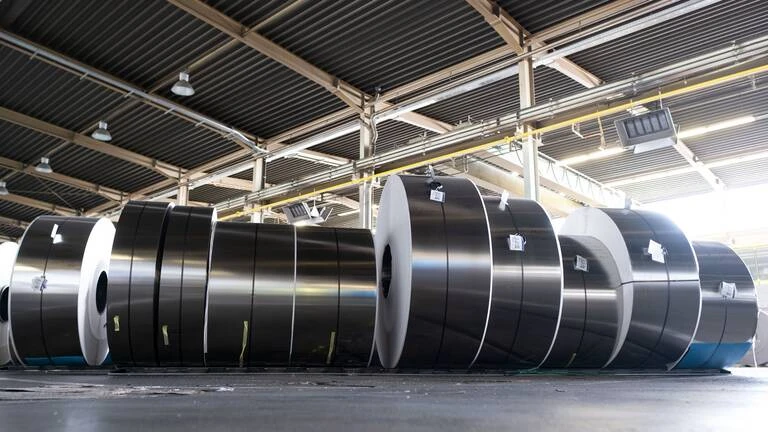
The Manufacturing Process of Cold-Rolled Carbon Steel Strips in India
The manufacture of industrial carbon steel strips in India employs modern technology, rigid quality standards, and high-precision manufacturing processes. The main steps are:
1. Raw Material Selection
Wood Cutting Band Saw Blade are selected to be the base material and are of high quality.
2. Pickling
The coils are treated in a pickle solution to remove scale and all surface contaminants.
3. Cold Rolling
The steel is processed in the rolling mill at a lower temperature to achieve the target thickness, improving the material’s strength.
4. Annealing
The strips are subjected to heat treatment to relieve internal stresses, which improves flexibility.
5. Slitting
The strips are further cut to narrower sizes for certain applications. Carbon steel strips for automotive applications are frequently produced in precision slitting.
6. Surface Finishing and Quality Control
The strips are checked for any surface flaws, hardness is checked, and finally, they are packed for shipment.
Applications of Cold-Rolled Carbon Steel Strips
In India, cold-rolled carbon steel strips have a broad spectrum of applications, which include the following industries:
Electrical Industry - In connection with the manufacture of transformers, motors, and electrical panels, among others.
Construction – In roofing and cladding, as well as structural reinforcements.
Appliances – Found within refrigerators, washing machines, and other household goods.
Why Indian Cold Rolled Carbon Steel Strips Are a Good Choice
India’s enhanced productivity as a substantial producer of industrial carbon steel strips stems from having an abundance of raw materials such as iron ore and coal, reducing production expenses. Also, India’s intricate cold rolling and slitting systems heightened precision and performance in the strips produced. Moreover, the low production costs of labour in India made the strips more appealing on the international market.
Durability and Hardness: Industry-Leading Benefits
Due to their increased hardness and durability, cold-rolled steel is more popular in the industry compared to Silver-Strip (India) Pvt Ltd. This trait is particularly likable for applications needing the element to withstand weight, resist being worn down, and maintain a refined surface finish.
Conclusion
India's manufacturing facilities offer unmatched quality and reliability, whether you need slitted precision carbon steel strips for automotive applications or high-grade cold-rolled materials for other projects. Their enduring strength and precise dimensions make cold-rolled carbon steel strips indispensable for a multitude of industrial applications.
Understanding the production processes and application of these strips enables you to make informed decisions for your project or business.