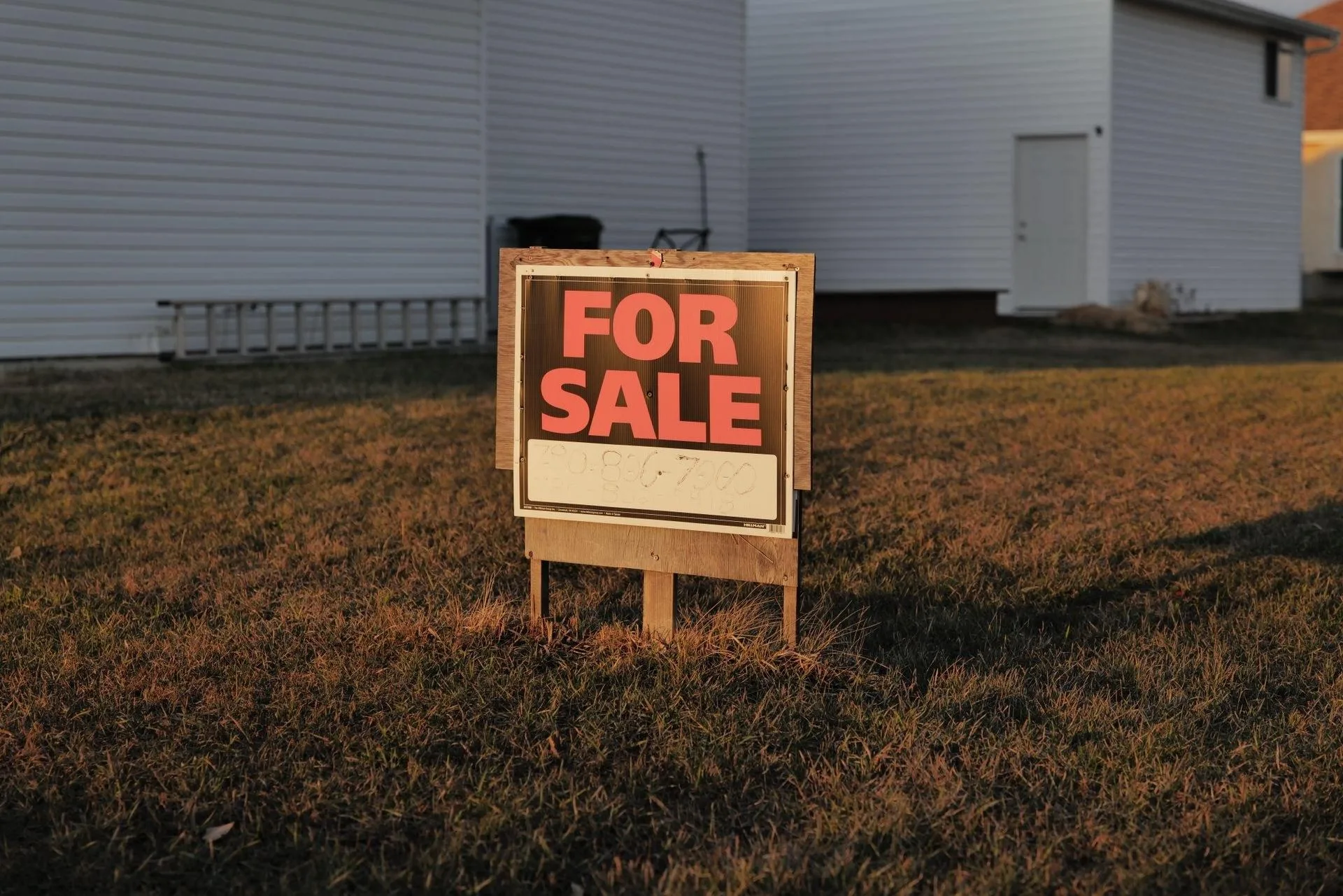
Selling a house through the traditional real estate market can take considerable time and effort. Homeowners may need to prepare the property, make repairs, hire an agent, schedule showings, negotiate with prospective buyers, and wait for financing and closing procedures to be completed.
For homeowners who want a different approach, choosing to sell house fast for cash in Florida can provide an alternative to the conventional selling process. Cash home buyers and real estate investors may purchase properties directly from owners, sometimes allowing sellers to avoid many of the preparation and marketing steps associated with a traditional listing.
A cash sale is not right for every homeowner, and it does not automatically guarantee a faster closing. However, understanding how the process works can help Florida homeowners decide whether it matches their goals.
What Does It Mean to Sell a House for Cash?
A cash home sale generally means the buyer purchases the property without relying on a traditional mortgage loan. The buyer may be an individual investor, real estate investment company, or another purchaser with funds available for the transaction.
Instead of listing the property publicly, the homeowner can contact a cash buyer and provide information about the house. The buyer may evaluate the property's location, condition, estimated value, and potential repair requirements before making an offer.
If the homeowner accepts the offer, both parties enter into a purchase agreement and proceed toward closing.
Although a cash transaction can remove some financing-related steps, the sale still requires proper documentation, title work, and other standard closing procedures.
Why Homeowners Want to Avoid the Traditional Selling Process
The traditional home-selling process works well for many property owners, but it can also involve considerable preparation.
A typical listing may require homeowners to:
- Clean and organize the property
- Complete repairs and improvements
- Stage rooms
- Take professional photographs
- Market the property
- Schedule showings
- Negotiate with prospective buyers
- Respond to inspection findings
- Wait for buyer financing
- Coordinate the final closing
For homeowners who have limited time or do not want to invest additional money into a property, these steps can become frustrating.
A direct cash sale may provide another option, particularly for owners of properties that need repairs or homes they no longer want to maintain.
1. Explore a Direct Cash Offer
The first step is usually contacting a company or investor that purchases houses for cash.
The homeowner can provide basic information about the property, such as its location, approximate size, condition, and any known issues. Visit the site to learn how Sell House Fast For Cash In Florida may work for your property.
The buyer may then conduct a preliminary evaluation and request additional information or a property visit.
Unlike a traditional listing, the purpose is to determine whether the buyer is interested in purchasing the house directly rather than marketing it to a large pool of prospective buyers.
Homeowners should provide accurate information about the property from the beginning. Transparency can make the evaluation process smoother and reduce the possibility of unexpected issues later.
2. Avoid Extensive Repairs in Some Situations
One of the biggest attractions of cash buyers is the possibility of selling a property in its current condition.
Traditional buyers often expect a home to be reasonably market-ready. Sellers may therefore spend money repairing roofs, updating kitchens, replacing flooring, painting walls, or improving landscaping.
Some cash buyers are willing to purchase houses that require significant work. Instead of expecting the seller to complete all renovations, the buyer may account for the estimated repair costs when determining the offer.
This can be useful for homeowners who cannot afford major improvements or who simply do not want to spend months preparing the property.
However, selling as-is generally affects the property's offer price. Homeowners should compare the cost of repairs with the potential difference between an as-is offer and the estimated proceeds from a traditional sale.
3. Reduce the Need for Traditional Marketing
When selling through an agent, homeowners typically depend on marketing to attract prospective buyers.
This can include online listings, photographs, open houses, advertisements, and scheduled property showings.
A direct cash sale may reduce or eliminate some of these marketing activities because the homeowner is dealing directly with an interested buyer.
This can make the process more convenient for sellers who do not want their property publicly marketed or who have privacy and scheduling concerns.
The exact process varies from buyer to buyer, so ask how the company evaluates and purchases properties before signing an agreement.
4. Fewer Showings May Mean Less Disruption
Traditional home sales can require repeated showings.
Homeowners may have to keep rooms clean and presentable while adjusting their schedules for prospective buyers. Families with children, pets, or demanding work schedules may find this particularly inconvenient.
A direct sale may require fewer visits because the buyer is evaluating the property for its own purchase rather than showing it to multiple potential buyers.
This does not mean that there will be no property inspections or visits. Buyers may still need to assess the house before finalizing the transaction.
Nevertheless, fewer marketing-related showings can make the experience easier for some homeowners.
5. Cash Buyers May Avoid Mortgage Financing Delays
Traditional buyers often depend on mortgage financing. After accepting an offer, the buyer may need to complete lender underwriting, provide financial documentation, satisfy loan conditions, and complete an appraisal.
If financing falls through, the transaction may be delayed or canceled depending on the contract.
A cash buyer may not need traditional mortgage financing. This can remove some financing-related uncertainty and potentially make the closing process more direct.
However, cash does not mean that every transaction closes immediately. Title issues, liens, probate matters, documentation problems, and other circumstances can still cause delays.
Always agree on a realistic closing date and include it in the written purchase agreement.
6. Selling an Inherited House Can Become More Manageable
Inherited properties can be difficult to manage, particularly when family members live in different locations.
An inherited house may require ongoing maintenance, utilities, insurance, taxes, and repairs. If the heirs do not plan to keep the property, selling it may be a practical option.
Cash buyers may consider inherited homes, including properties that need repairs or updating.
Before selling an inherited property, homeowners should make sure ownership and estate requirements are properly addressed. Probate procedures or other legal steps may apply depending on the circumstances.
If multiple heirs have an interest in the property, the required parties may need to participate in the transaction.
7. A Cash Sale May Help With a Vacant Property
Vacant houses can create ongoing responsibilities.
Owners may need to maintain landscaping, monitor the property, arrange repairs, pay utilities, and protect the home against deterioration.
If the owner lives in another city or state, these responsibilities can become even more difficult.
Selling the property directly to a cash buyer may be an option worth exploring.
A buyer may evaluate the property in its current condition rather than requiring the owner to make extensive improvements before considering a purchase.
8. Understand How Cash Offers Are Calculated
A homeowner should not evaluate a cash offer based only on the advertised purchase price.
Cash buyers typically consider the property's expected value, repair requirements, holding costs, resale potential, market conditions, and investment risk.
For example, if a property requires a new roof, plumbing work, electrical improvements, and interior renovations, the buyer may subtract the estimated cost of those improvements when calculating an offer.
This means the offer could be lower than the price a fully renovated property might receive on the traditional market.
The best approach is to compare net proceeds, not just the headline price.
Consider how much you could receive from a traditional sale after accounting for repairs, commissions where applicable, closing costs, marketing expenses, and the time required to sell.
9. Review All Closing Costs and Expenses
Before accepting a cash offer, ask for a clear explanation of the costs involved.
Depending on the agreement, expenses can include title services, recording fees, taxes, mortgage payoff amounts, and other transaction-related costs.
Do not assume that every cash buyer covers all closing expenses.
Request a written estimate of your expected proceeds and ask whether the purchase price can change after inspections or further evaluation.
Understanding the financial details before signing can prevent unpleasant surprises later.
10. Research the Cash Home Buyer
Not every company that advertises a cash home purchase follows the same process.
Before agreeing to a sale, research the buyer and look for reliable information about the company. Ask how long they have been purchasing properties and how their offers are calculated.
You should also determine whether the buyer plans to purchase the property directly or may assign the purchase agreement to another party.
Be careful with buyers who pressure you to sign immediately or refuse to provide clear written terms.
A legitimate transaction should give the homeowner enough time to understand the offer and review the purchase agreement.
Carefully Review the Purchase Agreement
A purchase contract is one of the most important documents in a home sale.
Before signing, review:
- Purchase price
- Closing date
- Inspection rights
- Repair responsibilities
- Cancellation conditions
- Closing costs
- Possession date
- Assignment provisions
- Any contingencies
If something is unclear, ask questions before signing.
Homeowners with complicated ownership situations, estate issues, liens, tenants, or other legal concerns may benefit from consulting a qualified Florida real estate attorney.
Never rely only on verbal promises. Important terms should be included in the written agreement.
Selling As-Is Does Not Eliminate Every Responsibility
Some Florida cash buyers purchase homes as-is, which means the buyer generally understands that the property may require repairs.
However, an as-is transaction does not necessarily eliminate applicable seller disclosure responsibilities.
Homeowners should provide accurate information about known material issues as required by applicable law. If you are uncertain about your disclosure obligations, obtain professional legal advice.
This is particularly important when selling older properties or houses with known structural, water, electrical, roofing, or other significant problems.
Compare Cash Selling With a Traditional Sale
Before deciding to sell for cash, compare the two approaches based on your circumstances.
A cash sale may offer:
- A more direct transaction
- Potentially fewer preparation requirements
- Less reliance on buyer mortgage financing
- Fewer traditional marketing activities
- A possible alternative for homes needing repairs
A traditional sale may offer:
- Access to a broader pool of buyers
- The possibility of a higher retail price
- More competition between prospective buyers
- Professional marketing through an agent
Neither option is automatically better.
For some homeowners, convenience and reduced preparation are more important than maximizing the property's gross sale price. For others, investing in repairs and listing the home may produce better financial results.
Calculate your estimated net proceeds under both scenarios before making a decision.
How SellWithDealMate Can Be an Option
Homeowners looking for a direct way to explore selling a property can consider SellWithDealMate as one possible option.
The approach may be useful for Florida sellers who want to discuss a potential cash offer without first completing extensive renovations or going through a traditional listing process.
Whether the property is outdated, inherited, vacant, or simply no longer needed, homeowners can evaluate whether a direct sale makes sense for their individual circumstances.
As with any real estate transaction, take time to understand the proposed purchase price, closing costs, contract conditions, and expected timeline before committing.
Final Thoughts
Choosing to sell house fast for cash in Florida can provide an alternative to the traditional home-selling process. For some homeowners, a direct cash transaction may reduce preparation work, limit the need for traditional showings, and avoid some mortgage-related delays.
At the same time, homeowners should understand that a cash sale is not automatically faster or more profitable. Offers may be below potential retail value, and title issues, inspections, legal requirements, and closing procedures can still affect the transaction.
Research the buyer, compare available options, calculate your expected net proceeds, and carefully review the purchase agreement before making a decision.
With the right information and preparation, Florida homeowners can determine whether a cash sale provides the simplicity and flexibility they are looking for.