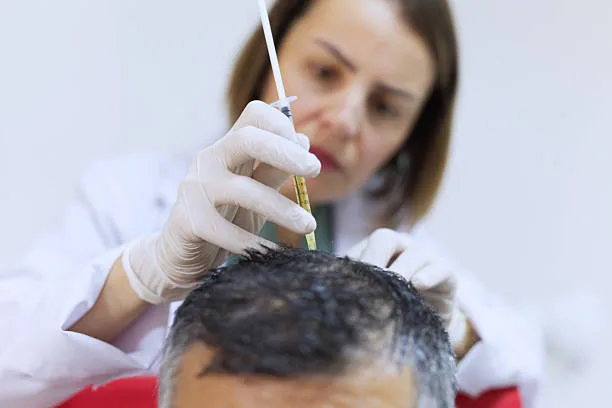
Winter changes daily life. It also changes how the body works. Cold air, short days, and low sunlight push the body to adapt. These shifts affect immunity, metabolism, mood, and blood flow. Many people feel tired, stiff, or more prone to illness. Understanding these changes helps people stay well through the season.
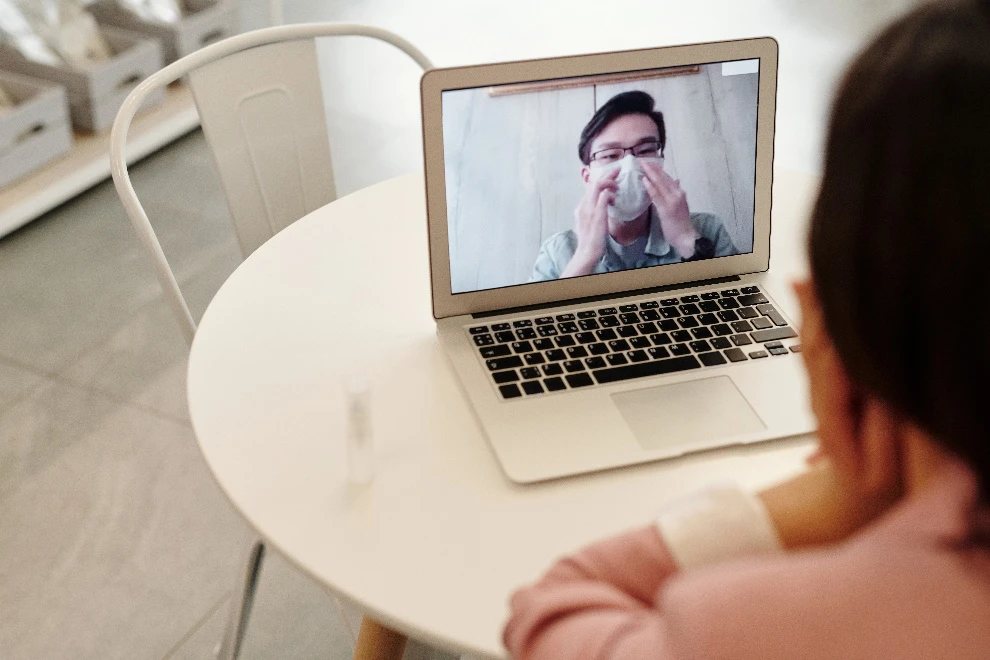
Many people now seek online medical consultation to manage winter health concerns. Others connect with a general practitioner online for advice. These options help people act early and stay healthy.
How Winter Affects the Immune System
Cold weather challenges the immune system. Viruses spread faster in winter. People stay indoors more. Close contact increases germ spread.
Cold air dries the nose and throat. These areas serve as the first defense against germs. Dry tissues crack easily. Germs enter the body with ease.
Low sunlight lowers vitamin D levels. Vitamin D supports immune strength. When levels drop, the body fights infections with less force.
Stress also rises in winter. Holiday pressure, less movement, and sleep changes strain the body. Stress weakens the immune response.
How to adapt:
· Eat fruits and vegetables daily.
· Include foods rich in vitamin D.
· Sleep at least seven hours each night.
· Wash hands often.
· Seek advice from primary care doctors online when symptoms appear.

Winter and Metabolism Changes
The body burns energy to stay warm. This process raises calorie use. At the same time, appetite often increases. Many people crave heavy foods.
Short days disrupt circadian rhythm. The body releases more melatonin. This hormone causes sleepiness. Less energy leads to less movement. Reduced movement slows metabolism.
Hormones also shift. Insulin sensitivity may drop. Blood sugar control becomes harder for some people.
How to adapt:
· Eat balanced meals with protein and fiber.
· Limit sugar and refined carbs.
· Move every day, even indoors.
· Drink enough water.
· Use online doctor consultation services for diet guidance.
Circulation and Cold Weather
Cold temperatures tighten blood vessels. This reaction helps the body conserve heat. Reduced blood flow reaches the hands and feet. Fingers and toes feel cold or numb.
Poor circulation may worsen joint pain. Muscles tighten in response to cold. People with arthritis often feel more pain in winter.
Blood pressure may rise during cold months. The heart works harder to pump blood through narrowed vessels.
How to adapt:
· Wear warm layers.
· Keep hands and feet covered.
· Stretch daily.
· Walk to boost blood flow.
· Monitor blood pressure with support from affordable online healthcare.
Winter Mood and Brain Health
Winter affects the brain. Less sunlight lowers serotonin levels. Serotonin supports mood and focus. Low levels may lead to sadness or low energy.
Some people experience seasonal mood changes. They feel tired, unmotivated, or withdrawn. These feelings affect daily function and self-care.
Sleep patterns also change. Long nights disrupt sleep quality. Poor sleep worsens mood and immunity.
How to adapt:
· Get sunlight early in the day.
· Use bright indoor lighting.
· Keep a regular sleep schedule.
· Stay socially connected.
· Talk to a general practitioner online when mood changes persist.
Skin, Hydration, and Winter Stress
Cold air holds less moisture. Indoor heating dries the skin further. Skin may crack or itch. Cracks allow germs to enter.
People drink less water in winter. Dehydration affects digestion, skin health, and energy.
Winter also strains the respiratory system. Cold air irritates the airways. People with asthma may notice more symptoms.
How to adapt:
· Moisturize skin daily.
· Drink water often.
· Cover the mouth in cold air.
· Ask primary care doctors online about skin or breathing issues.
Daily Habits That Support Winter Wellness
Simple habits protect health in winter. Consistency matters more than intensity.
Key habits include:
· Balanced nutrition.
· Regular movement.
· Quality sleep.
· Stress management.
· Early medical advice through online medical consultation.
Small steps build strong defenses. Awareness helps people respond before problems grow.
Choose Smart Winter Care with TelMDCare
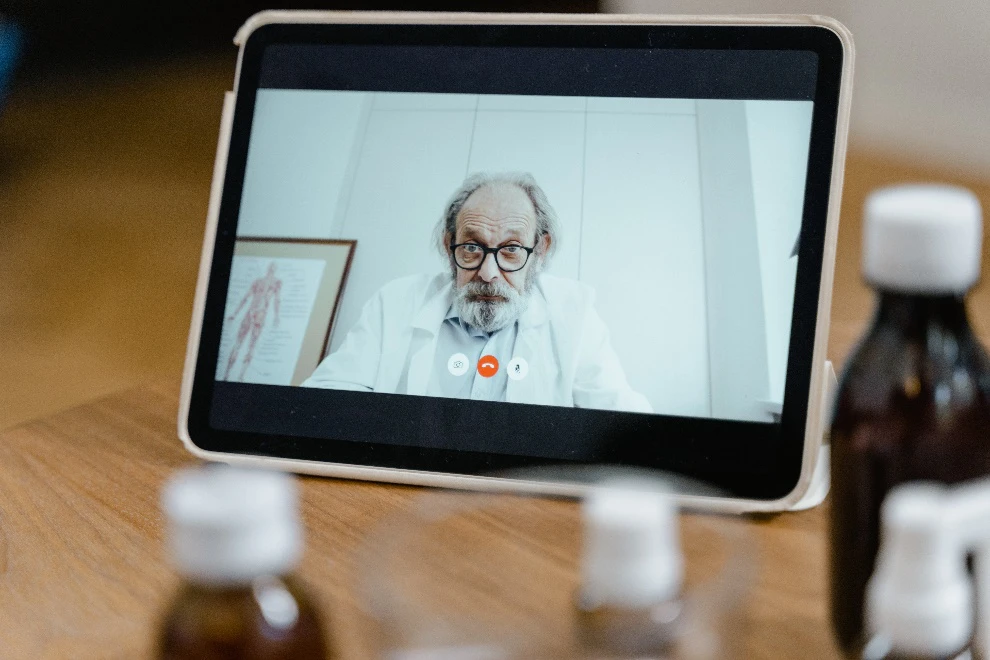
TelMDCare offers trusted support during cold months. The platform connects patients with licensed doctors through secure virtual visits. TelMDCare helps people manage winter illnesses, chronic conditions, and preventive care. The service focuses on access, convenience, and quality care from home. TelMDCare supports timely decisions and promotes better health outcomes all winter long. Get in touch here.