North Carolina weather can be unpredictable. One week may feel cool and comfortable, while the next brings humidity, storms, or a sudden drop in temperature. That kind of seasonal shift puts steady pressure on a home’s HVAC system.
That is why HVAC maintenance should never be treated as a once-a-year task. A system may seem fine during mild weather, but problems often show up the moment summer heat or winter cold arrives. For homeowners, the goal is simple: stay comfortable, avoid surprise repairs, improve efficiency, and help the system last longer. A seasonal checklist makes it that much easier.
Key Takeaways
- Seasonal HVAC care helps prevent costly breakdowns
- Spring and fall are the most important times for maintenance
- Small tasks like filter checks and airflow inspection make a real difference
- Professional tune-ups help catch issues before they become expensive repairs
Why Seasonal HVAC Maintenance Matters in North Carolina
North Carolina homes deal with humid summers, pollen-heavy springs, storm season, and chilly winter periods. HVAC systems in this region often work harder than homeowners realize.
ENERGY STAR recommends checking your filter every month during times of heavy use and replacing it at least every three months. Dirty filters can reduce airflow, raise energy use, and increase wear on the system.
In simple terms, maintenance is not just about comfort. It is also about protecting your equipment, lowering strain, and reducing the risk of early failure.
What Homeowners Can Handle Themselves
Not every maintenance step requires a technician. There are several simple tasks homeowners can handle safely throughout the year.
Basic Homeowner Checklist
- Check the air filter every month
- Replace dirty filters promptly
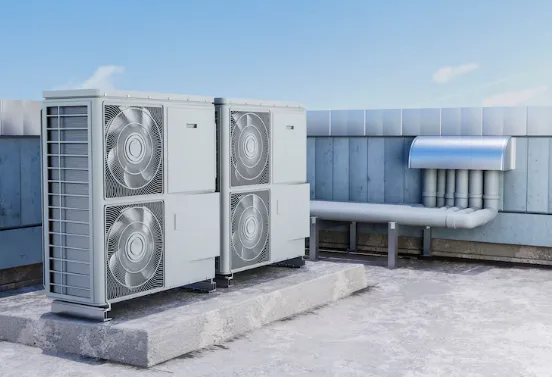
- Clear leaves, grass, and debris around the outdoor unit
- Keep indoor vents open and unblocked
- Watch for weak airflow, unusual smells, or strange sounds
- Test the thermostat when the seasons begin to change
These steps may seem small, but they play a major role in keeping the system running smoothly.
Spring HVAC Maintenance Checklist
Spring is the time to get ahead of summer heat and humidity. This is when homeowners should shift attention to cooling performance.
Spring Tasks for Homeowners
- Inspect and replace the air filter if needed
- Clear debris around the outdoor condenser
- Trim plants and bushes back from the unit
- Check indoor vents for dust or blockages
- Test the thermostat and cooling cycle
- Listen for buzzing, rattling, or short cycling
The U.S. Department of Energy also advises homeowners to keep the area around the condenser clean and free from obstructions to support proper airflow.
Professional Spring Maintenance Should Include
- Refrigerant level check
- Coil inspection and cleaning
- Drain line inspection
- Electrical connection inspection
- Blower and airflow check
- Full cooling system performance test
Spring service helps catch cooling issues early, before the hottest part of the year arrives.
Summer HVAC Watch List
During the summer, the system is usually working at full demand. That makes this season the right time to watch for performance changes.
Signs to Watch During Summer
- Uneven cooling from room to room
- System running longer than normal
- Higher utility bills without a clear reason
- Warm air coming from vents
- Water near the indoor unit
- A thermostat that does not seem accurate
If the system sounds different, smells unusual, or struggles to keep the home comfortable, it is best not to wait.
Fall HVAC Maintenance Checklist
Fall is the ideal time to prepare your heating system before colder weather sets in.
Fall Tasks for Homeowners
- Install a clean air filter
- Test the heating mode early
- Check vents for airflow blockage
- Review thermostat settings
- Clean around indoor HVAC equipment
- Inspect doors and windows for air leaks
Professional Fall Maintenance Should Include
- Heating system inspection
- Safety control check
- Electrical inspection
- Ignition or burner review
- Ductwork airflow check
- Full heating performance test
For homes with heat pumps, fall maintenance is especially important since those systems operate throughout the year.
Winter HVAC Habits That Protect Performance
North Carolina winters may not always be extreme, but heating systems still need to be ready when temperatures drop.
Winter Habits to Follow
- Continue checking and replacing filters
- Keep furniture away from vents
- Watch for cold spots in the home
- Pay attention to unusual startup smells
- Keep the outdoor heat pump unit clear
This is also a good time to pay attention to crawlspace conditions, attic insulation, and exposed ductwork. Even a strong HVAC system can struggle if the home is losing heat.
Seasonal HVAC Checklist at a Glance
SeasonHomeowner FocusProfessional FocusSpringChange filter, clear outdoor unit, test cooling, inspect ventsCoil cleaning, refrigerant check, drain line, and airflow inspectionSummerMonitor airflow, track energy bills, and listen for unusual soundsDiagnose issues before they become full breakdownsFallReplace the filter, test the heat, and adjust thermostat settingsHeating inspection, safety checks, and electrical reviewWinterKeep vents open, monitor comfort, and clear the outdoor unit areaMid-season service if warning signs appearWhat Most Homeowners Get Wrong
One of the biggest mistakes homeowners make is waiting until the system shows obvious signs of failure.
Another common mistake is assuming that changing the filter is enough. While filter care is crucial, it is merely a small aspect of the overall maintenance. Coils, drain lines, blower components, electrical connections, thermostat accuracy, and duct condition all matter too.
Some homeowners also close vents in unused rooms, hoping to save money. In many systems, this can actually create airflow problems and increase strain.
A Simple Way to Stay on Track
A practical way to remember seasonal HVAC care is this:
Check
Look at the filter, thermostat, vents, and outdoor unit.
Clear
Remove debris, open blocked vents, and make sure the system has space to breathe.
Call
Schedule professional service before the peak heating or cooling season begins.
This simple pattern helps homeowners stay ahead of the problem instead of reacting to it later.
When to Call for Service Right Away
Do not wait for seasonal maintenance if you notice any of the following:
- Weak airflow
- Loud or sudden noises
- Strange odors
- Short cycling
- Water leaks
- Frequent breaker trips
- Uneven temperatures throughout the home
These signs often mean the system is already under stress and needs professional attention.
Final Verdict
Seasonal HVAC maintenance is one of the smartest habits a North Carolina homeowner can build. The weather shifts quickly, and your system has to keep up with humidity, pollen, heat, storms, and winter cold. Simple steps like checking filters, keeping vents open, and clearing the outdoor unit help support everyday performance. Professional maintenance adds another layer of protection by catching issues homeowners cannot easily spot.
Brands like JL HVAC & Electrical LLC provides dependable support for homeowners planning seasonal maintenance or a full system upgrade, offering services in HVAC repairs, installations, and energy-efficient replacements to help maintain comfort in every season.
FAQs
How often should HVAC filters be changed?
Filters should be checked monthly and replaced when dirty. In most homes, that means at least every three months.
Is spring maintenance really necessary?
Yes. Spring maintenance helps prepare the cooling system before summer heat and humidity put it under heavy demand.
Should I still schedule fall maintenance if the system worked fine last winter?
Yes. A system can seem fine while still developing wear, airflow problems, or safety concerns.
Can homeowners do all HVAC maintenance themselves?
No. Homeowners can handle basic upkeep, but technical inspections and tune-ups should be left to trained professionals.
Why is airflow vital?
Poor airflow makes the system work harder, reduces comfort, and can shorten equipment life.
Does clearing around the outdoor unit really matter?
Yes. The unit needs open airflow to operate properly. Debris and overgrowth can reduce efficiency.
What season matters most for HVAC service?
Spring and fall are both important because they prepare the system before peak cooling and heating seasons.
Can dirty filters increase energy bills?
Yes. Dirty filters restrict airflow and can force the system to use more energy.