Reimagining Study: The Cognitive Revolution Behind Learning Success
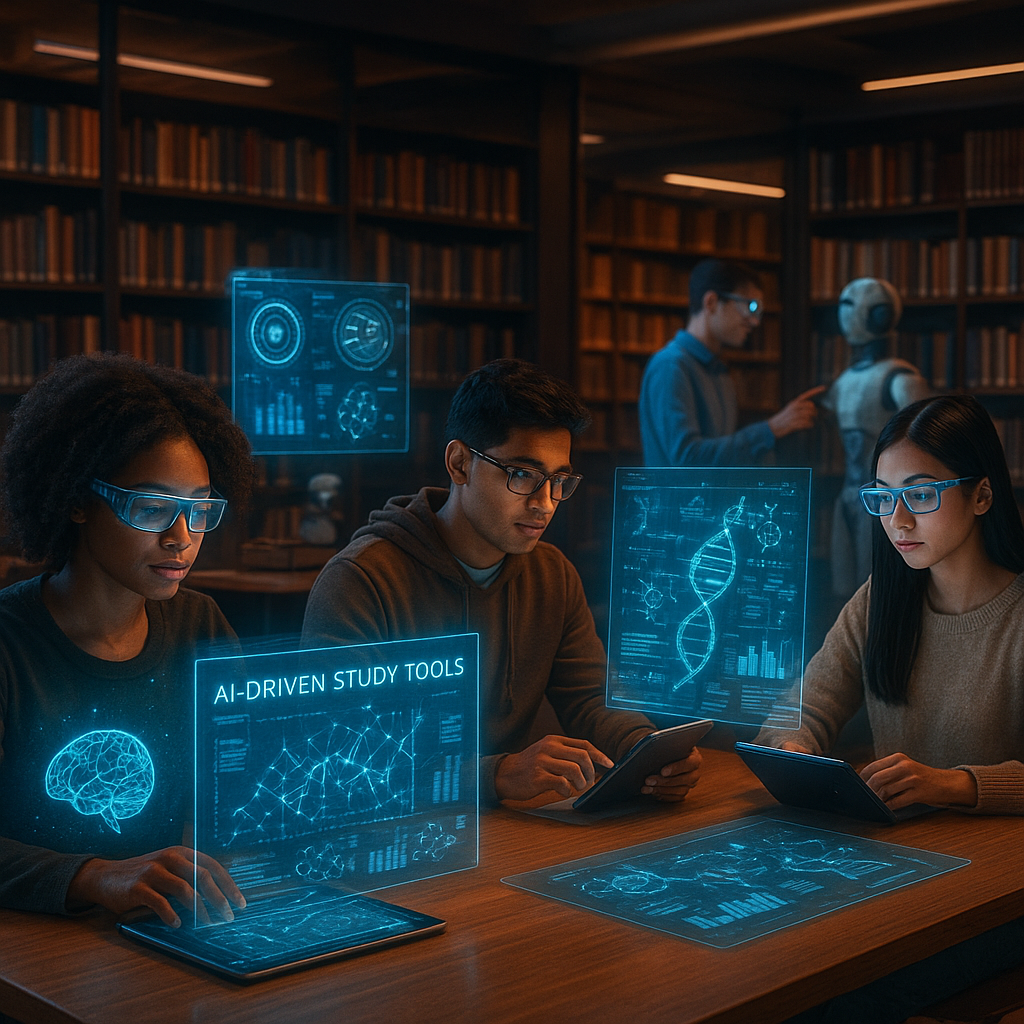
In a bustling university library in early 2026, a scene unfolds that represents a seismic shift in how students approach studying. Rather than long hours of passive reading or rote memorization, students are actively engaging with interactive digital tools, real-time feedback systems, and scientifically calibrated learning schedules. This transformation is not accidental but the result of decades of cognitive science breakthroughs combined with emerging technologies. Studies from institutions like Harvard and Stanford confirm that traditional methods, popularized over centuries, are increasingly supplanted by evidence-based strategies that harness how the brain optimally encodes and retrieves information.
The stakes are high: with global student populations soaring and educational demands intensifying, mastering the art of studying is more critical than ever. According to UNESCO reports, over 220 million university students worldwide are seeking more efficient ways to learn in 2026. This demand has fueled a sophisticated ecosystem where neuroscience, artificial intelligence, and behavioral psychology converge to redefine study tips.
"The old paradigm of cramming is not only ineffective but detrimental to long-term retention. Modern study techniques leverage spaced repetition, active recall, and metacognition to maximize learning durability," explains Dr. Linda Chen, a cognitive psychologist at MIT.
Understanding this evolution requires tracing the origins and scientific underpinnings that have led to the current state of study methodologies.
From Rote to Reason: The Historical Evolution of Study Methodologies
The practice of studying has been around since antiquity, initially characterized by oral traditions and memorization. The invention of the printing press in the 15th century shifted education towards text-based learning, emphasizing repetition and note-taking. However, it was not until the 20th century that systematic research into learning processes began to reshape educational theory.
Behaviorists like B.F. Skinner introduced reinforcement principles, while Jean Piaget’s developmental psychology emphasized stages of cognitive growth. The late 20th century saw the arrival of constructivism, where learners actively build knowledge frameworks rather than passively absorb facts. These theoretical frameworks laid the groundwork for today's study strategies.
The 21st century brought a technological leap. Early digital flashcards and online quizzes were rudimentary attempts to digitize learning. By the 2020s, data analytics and neuroimaging enabled researchers to identify precise neural correlates of effective learning. This spawned techniques such as spaced repetition algorithms, popularized by platforms like Anki and Duolingo, which scientifically time review intervals to enhance memory consolidation.
Moreover, the rise of mobile learning and gamification techniques in the last decade created immersive environments that increase learner engagement and motivation. The integration of artificial intelligence (AI) allows personalized study plans tailored to individual cognitive profiles, marks a major departure from the one-size-fits-all approach.
These historical advances frame the current landscape, where empirical data and technology inform the most effective study tips.
Data-Driven Insights: What Research Reveals About Best Study Practices
Recent meta-analyses encompassing thousands of peer-reviewed studies have crystallized several core techniques that significantly boost learning outcomes. According to a 2025 comprehensive review published in the Journal of Educational Psychology, the following strategies demonstrate the highest efficacy:
- Spaced Repetition: Reviewing information at increasing intervals dramatically improves long-term retention compared to massed practice.
- Active Recall: Testing oneself, rather than passive review, strengthens memory pathways and aids retrieval.
- Interleaving: Mixing different topics or problem types during study sessions enhances transfer of knowledge.
- Elaborative Interrogation: Explaining why facts are true deepens understanding beyond surface memorization.
- Dual Coding: Combining verbal and visual information supports multimodal learning.
These techniques are often most effective when combined, tailored to the learner’s goals and context. For example, active recall paired with spaced repetition is a hallmark feature of many successful apps and digital platforms.
"Our data shows students using active recall and spaced repetition outperform peers by 30% in retention tests after six months," notes Professor Miguel Alvarez, lead researcher at the Learning Science Institute.
Beyond cognitive strategies, environmental and behavioral factors also influence study effectiveness. Consistent findings highlight the importance of adequate sleep, stress management, and distraction minimization. The rise of wearable technology and AI-driven apps now allows learners to track and optimize these factors in real time.
- Optimal study sessions last approximately 25-30 minutes, followed by short breaks (the Pomodoro technique).
- Studying in varied locations enhances contextual learning cues.
- Eliminating digital distractions can improve focus by over 40%.
- Regular physical exercise correlates with enhanced cognitive function and memory performance.
These nuanced findings inform modern study tips that are both scientific and pragmatic, moving past outdated advice towards personalized learning mastery.
Innovations of 2026: How Technology Is Shaping Study Habits Today
The year 2026 has witnessed remarkable innovations that continue to transform study habits globally. AI-powered adaptive learning platforms now dominate, offering personalized curricula based on cognitive analytics. These platforms leverage data from millions of users to refine algorithms that predict the best study order, timing, and content for each learner.
For instance, the platform LearnX, adopted by over 60% of universities in North America and Europe, integrates brainwave sensors and eye-tracking technology to monitor engagement and cognitive load in real time. This data feeds back to dynamically adjust difficulty levels and suggest microbreaks, optimizing mental resources.
Virtual and augmented reality (VR/AR) have also matured as study aids. Medical students at Johns Hopkins utilize AR to overlay human anatomy on mannequins, creating immersive, hands-on experiences that enhance spatial comprehension compared to textbook study. Similarly, language learners use VR environments to practice conversation in lifelike contexts, boosting fluency and retention.
Digital note-taking apps have evolved from simple text editors to AI-powered assistants that automatically summarize content, generate flashcards, and suggest related materials. This reduces cognitive load and streamlines revision.
- AI-driven scheduling tools help balance study sessions with wellness activities, reducing burnout rates by 25% in pilot programs.
- Collaborative online platforms enable peer-to-peer tutoring and real-time feedback, enhancing motivation and accountability.
- Gamified learning environments reward progress and foster long-term engagement.
These technological advances embody a shift from passive to active, personalized learning paradigms, making study practices more efficient and accessible than ever before.
For readers interested in a deeper dive into these emerging habits, the article Unlocking Learning: Emerging Study Habits Shaping 2026 Success offers comprehensive coverage of these trends.
Expert Voices: Perspectives on the Future of Studying
Leading academics and education technology innovators offer insights into what the future holds for study methods. Dr. Samantha Yeo, Chief Innovation Officer at EduTech Labs, emphasizes that "the key is not just technology but how we integrate it with human-centered pedagogy. Technology should amplify, not replace, critical thinking and creativity."
Meanwhile, Dr. Rajesh Kumar of the Global Education Forum highlights equity concerns: "As we develop sophisticated tools, we must ensure accessibility for under-resourced students worldwide to prevent widening educational divides."
"We are witnessing a paradigm shift where study tips are evolving from universal rules to dynamic, data-informed strategies tailored to individuals," states Dr. Chen.
Industry impact extends beyond students. Educators report that having data-driven insights into student progress allows for more targeted interventions and improved outcomes. Universities increasingly adopt hybrid learning models that blend AI tutoring with human mentorship to optimize results.
The convergence of neuroscience, AI, and education policy promises to reshape curricula focusing on lifelong learning skills rather than rote fact memorization. This aligns with workforce demands for adaptability and problem-solving ability.
For those seeking actionable study strategies grounded in science, the piece Mastering Study Efficiency: Expert Strategies to Transform Your Learning offers practical guidance endorsed by experts.
Looking Ahead: What Students and Educators Should Expect
As we look forward, several key trends will likely define the study landscape in the coming years. First, the personalization of learning will deepen, with AI systems becoming more adept at detecting mental fatigue, emotional state, and motivation to adjust study plans dynamically. This will require robust privacy safeguards and ethical frameworks.
Second, interdisciplinary approaches will flourish. Integrating cognitive science with technology, behavioral economics, and education theory will produce holistic study frameworks that address not only memory but also decision-making and creativity.
- Increased adoption of neurofeedback devices to provide learners with real-time brain activity insights.
- Expanded use of virtual reality for experiential learning across disciplines.
- Growth of global peer-learning networks facilitated by digital platforms.
Finally, the role of educators will transform from content deliverers to facilitators, mentors, and designers of personalized learning experiences. This human dimension remains critical despite technological advances.
"Technology is a tool, but human curiosity and discipline remain at the heart of effective studying," concludes Dr. Alvarez.
Students prepared to embrace these developments and adapt their study habits accordingly stand to gain a significant advantage in their academic and professional journeys.
Overall, the evolving science of study offers promising avenues for learners worldwide. For further reading on proven techniques transforming study habits, see Unlocking Peak Performance: Proven Study Techniques Transforming April 2026.