Restaurant supplies are changing as businesses pay closer attention to customer preferences, product presentation, and everyday waste. Restaurant wet wipes are a small part of the dining experience, but their fragrance, dimensions, and individual packaging can affect how customers use them and how restaurants manage their supplies. These details are shaping purchasing decisions and influencing what businesses look for when ordering wipes.
Why Fragrance Choices Matter in Dining
Selecting Scents That Suit the Setting
Fragrance is one of the first things customers notice when opening a wet wipe. A strong scent may not suit every restaurant, particularly when food aromas are an important part of the dining experience. Mild, familiar fragrances can be a more suitable choice for businesses that want to offer wipes without making the scent distracting.
Lemon, rose, lavender, and aloe are among the fragrance options offered in the wet wipe market. Restaurants can consider their menu, service style, and customer expectations before selecting one. A casual dining outlet might prefer a fresh citrus scent, while another establishment may choose a softer fragrance or an unscented option if available.
Disposable wet wipes manufacturers that provide fragrance customization give businesses more control over this decision. The practical aim is to choose a scent that fits the restaurant rather than selecting one simply because it is popular.
Wipe Size and Packaging Need Practical Consideration
Choosing a Useful Size
The right wipe size depends on how customers are expected to use it. A wipe provided with finger foods serves a different purpose from one handed out after a meal involving sauces or other messy ingredients. Restaurants should consider whether the wipe offers enough coverage for its intended use without adding unnecessary material or cost.
Size also affects the amount of solution a wipe can hold, its folded dimensions, and how comfortably it fits inside an individual sachet. These factors matter when businesses are ordering large quantities for regular service.
Individual Packaging for Everyday Service
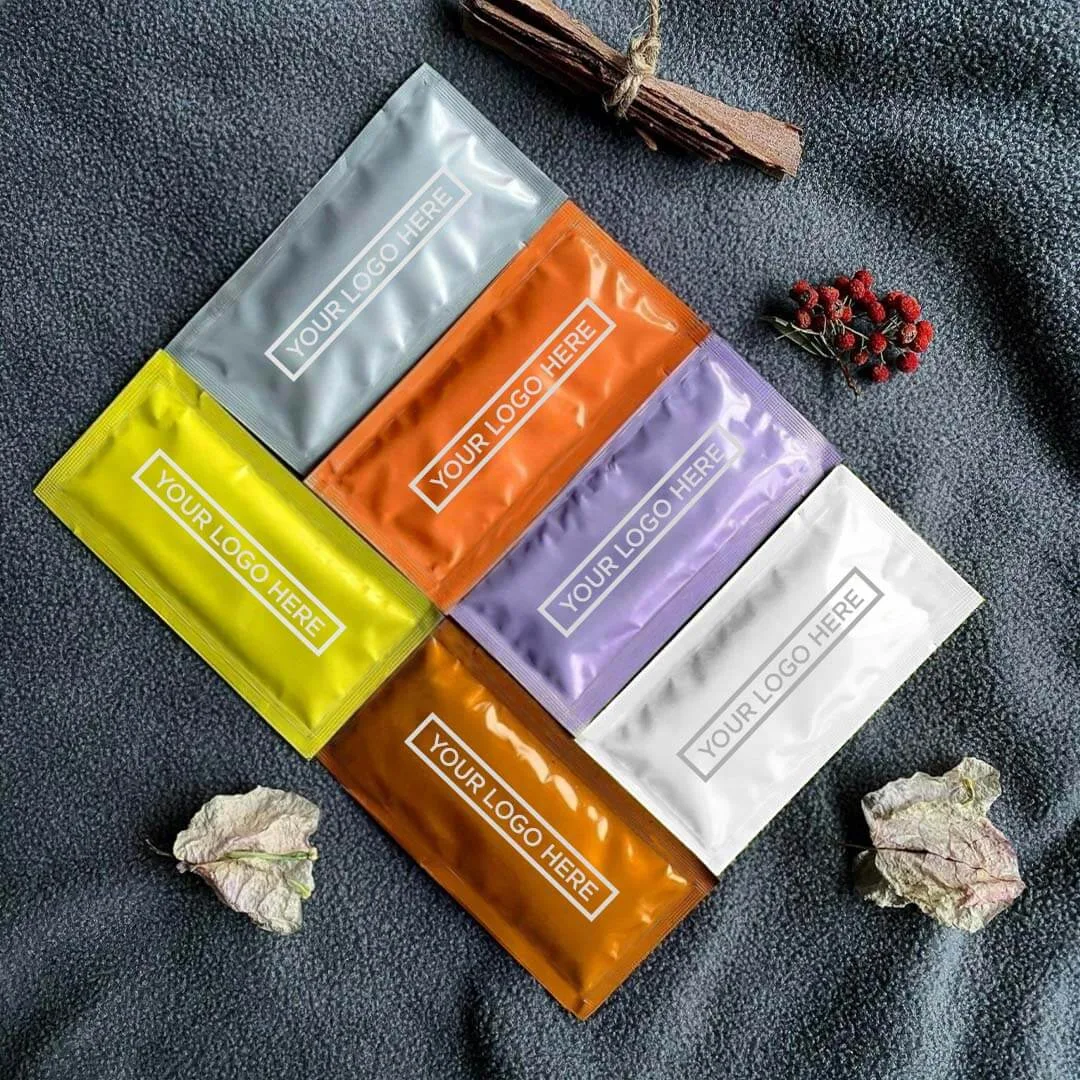
Individually packed wipes are convenient to distribute because staff can hand one to each customer when needed. The sealed sachet also keeps the wipe separate from other supplies until it is opened. For restaurants, this format makes storage, portion control, and distribution easier to manage.
Packaging design is another consideration. A restaurant may choose to print its logo, brand colors, or other relevant details on the sachet. This gives the packaging a clear identity without requiring a separate branded item for every customer.
Sustainability Starts With Sensible Purchasing
Avoiding Unnecessary Product Waste
Sustainability in wet wipe production involves more than choosing a particular material. Restaurants can also review how many wipes they distribute, how frequently they reorder, and whether the quantities purchased match actual demand.
For example, ordering far more stock than a business can use within a reasonable period may create storage problems and increase the risk of unused supplies. Ordering too little can lead to repeated purchases and additional packaging. A realistic estimate of weekly or monthly usage helps restaurants strike a better balance.
Businesses should also ask suppliers about the materials used in wipes and sachets, available packaging alternatives, and any environmental claims attached to those products. A product should not be described as biodegradable or environmentally friendly unless the relevant specifications support that claim.
What Suppliers Can Clarify
Disposable wet wipes manufacturers can help buyers understand the available product specifications, packaging choices, and order quantities. Asking direct questions about materials and packaging is more useful than relying on broad sustainability labels.
Restaurants should compare the actual options available to them and consider which changes would reduce unnecessary material use without compromising the intended purpose of the wipe.
How Production Choices Affect Restaurant Budgets
Balancing Customization and Cost
Customization can improve product presentation, but each additional requirement should serve a purpose. Restaurants can compare fragrance choices, sachet designs, wipe dimensions, and order volumes before confirming production.
When assessing suppliers, businesses should consider:
- Cost per wipe at different order quantities.
- Available fragrance and size options.
- Printing requirements for individual sachets.
- Minimum order quantities and expected lead times.
- Packaging specifications and material information.
What Restaurants Should Look for in Production Trends
Prioritizing Useful Improvements
The direction of wet wipe production is not simply about offering more fragrances or more elaborate packaging. Restaurants need products that suit their customers, fit their service routines, and remain practical to purchase regularly.
Restaurant wet wipes should be selected according to their intended use, appropriate dimensions, preferred fragrance, and packaging requirements. Sustainability should be assessed through specific product information and sensible ordering practices rather than marketing language alone.
Businesses considering a new supplier can request details about customization, available quantities, and packaging specifications before making a decision. These checks help them compare products on relevant factors instead of price alone.
Conclusion
Fragrance, size, and sustainability each influence how restaurants select wet wipes, but none should be considered in isolation. A suitable product meets customer needs, comes in packaging that works for the business, and can be ordered in quantities that make financial sense. Reviewing these details before placing an order can prevent avoidable expenses and unsuitable purchases. By comparing product specifications and asking clear questions, restaurants can work with disposable wet wipes manufacturers to identify options that fit their service requirements without paying for features they do not need.