Workplace safety today requires more than checklists and policies stored in binders. As regulatory expectations grow and operational risks become more complex, organizations must take a smarter, more connected approach to environmental health and safety. This is where the combination of Safety management system software and expert EHS consulting becomes a powerful solution.
Rather than relying on technology alone or consulting support in isolation, organizations benefit most when both work together. By pairing real-world safety expertise with a centralized digital system, companies can identify hazards more effectively, maintain compliance, and build a proactive safety culture that evolves with their operations.
Why Software Alone Is Not Enough
Safety management system software plays a critical role in organizing safety data, automating compliance tasks, and improving visibility across an organization. However, software by itself cannot fully address the complexities of real-world work environments. Without expert input, organizations risk using systems incorrectly, overlooking hazards, or creating processes that do not align with regulatory expectations.
Many businesses adopt safety software with good intentions but struggle with implementation. Forms may be completed inconsistently, inspections may not reflect actual site conditions, and incident data may go unanalyzed. When this happens, software becomes a digital filing cabinet instead of a decision-making tool.
EHS regulations are nuanced and vary by industry. Understanding how rules apply to specific operations requires experience, interpretation, and hands-on knowledge. This is where professional EHS consulting fills the gap, ensuring that safety programs are not only documented but also effective in practice.
Benefits of Combining Consulting and Technology
Integrating consulting expertise with safety management system software creates a balanced approach that addresses both strategy and execution. Consulting professionals help organizations understand their risks, regulatory obligations, and operational gaps. The software then provides the structure to manage those insights consistently over time.
One of the biggest advantages of this hybrid model is accuracy. Consultants ensure that hazard assessments, standard operating procedures, and compliance requirements are correctly defined. Once validated, these elements are embedded into the software, reducing guesswork and improving consistency across teams.
Another benefit is scalability. As organizations grow or change, their safety programs must adapt. Consulting support helps redesign processes when needed, while the software ensures that updates are rolled out efficiently across locations, departments, and job roles.
This combination also reduces administrative burden. Instead of manually tracking training, inspections, and incidents, safety teams can rely on automation while focusing their time on higher-value activities such as risk reduction and employee engagement.
Risk Identification Through Audits and Assessments
Effective safety programs begin with accurate risk identification. Professional EHS consulting brings depth to this process through mock audits, hazard assessments, air sampling, and exposure evaluations. These activities uncover issues that may not be obvious through internal reviews alone.
Mock regulatory audits help organizations understand how inspectors may view their operations. They highlight documentation gaps, unsafe practices, and compliance risks before enforcement actions occur. Hazard assessments go deeper, analyzing tasks, equipment, and environments to identify both immediate and long-term risks.
Once these risks are identified, safety management system software becomes the central repository for tracking and managing them. Findings from audits and assessments can be logged, assigned corrective actions, and monitored through completion. This ensures that identified risks are not forgotten or repeated.
By linking expert assessments directly to digital workflows, organizations create accountability and transparency. Leadership gains clear visibility into risk trends, while frontline teams understand their role in maintaining safe operations.
Translating Expert Guidance into Software Workflows
One of the most valuable aspects of integrating EHS consulting with safety management system software is the ability to convert expert recommendations into daily operational processes. Consultants may recommend changes to procedures, training programs, or inspection routines. Software ensures those recommendations are implemented consistently.
For example, when new standard operating procedures are developed, they can be uploaded into the system and linked to relevant tasks or job roles. Training requirements can be assigned automatically, tracked for completion, and documented for compliance purposes.
Incident tracking becomes more meaningful when guided by expert insight. Consultants help define what should be reported, how incidents should be classified, and which data points matter most. The software then captures this information in a structured format, enabling trend analysis and root cause investigation.
Inspections and audits also benefit from this integration. Expert-designed inspection templates ensure that site evaluations focus on critical risks, not just generic checklists. Automated reminders and reporting features help maintain consistency and reduce the likelihood of missed inspections.
Building a Proactive Safety Culture
Technology and consulting together support a shift from reactive safety management to proactive risk prevention. When organizations rely solely on incident data, they are often responding after harm has occurred. A combined approach focuses on identifying leading indicators and addressing risks before incidents happen.
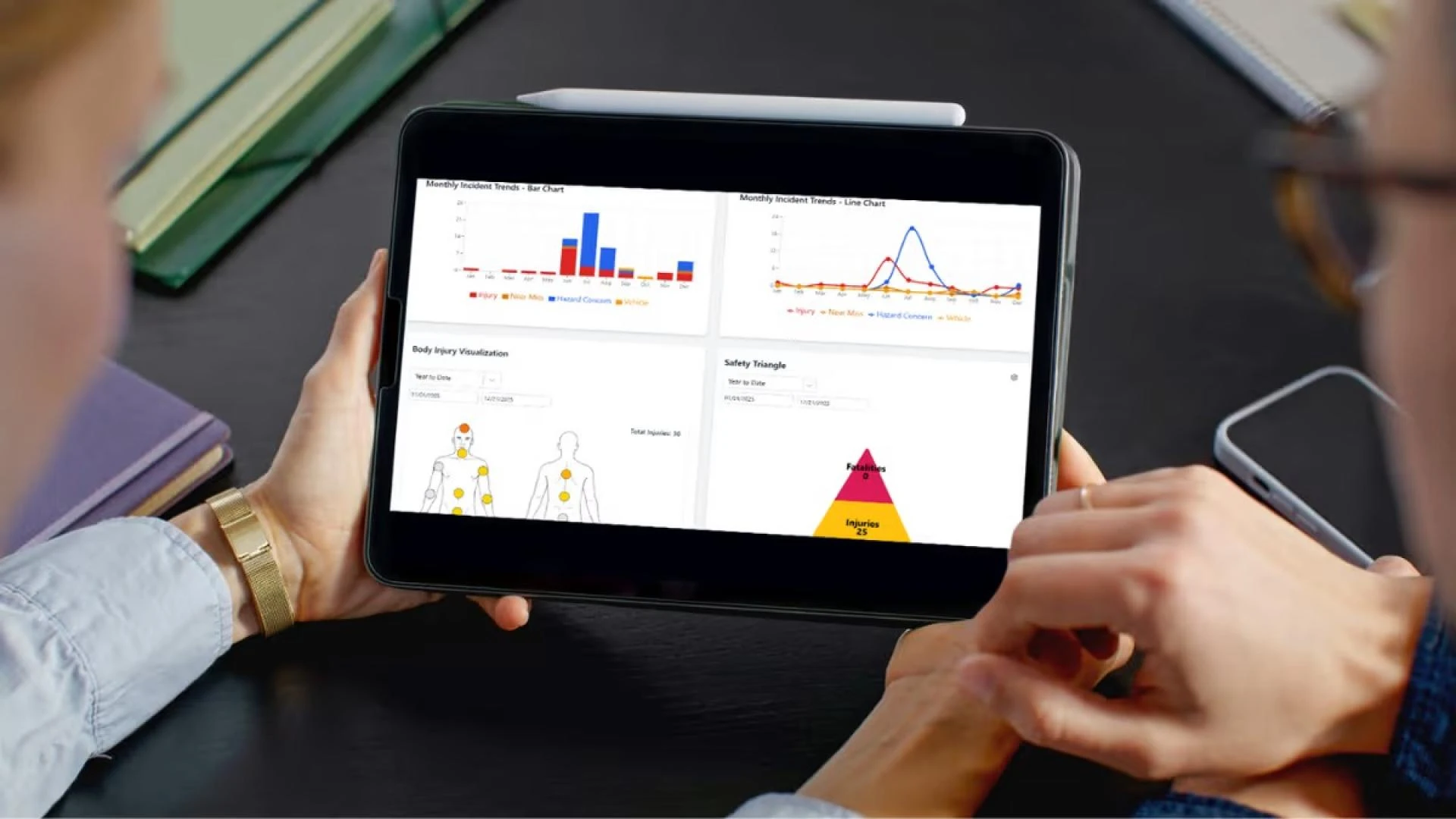
Safety management system software provides real-time data and dashboards that highlight trends, recurring issues, and areas needing attention. Consulting expertise helps interpret this data and recommend targeted improvements, whether through process changes, additional training, or engineering controls.
Employees also benefit from clearer expectations and easier access to safety resources. When procedures, training, and reporting tools are centralized, workers are more likely to engage with safety programs and take ownership of their responsibilities.
Over time, this leads to stronger safety performance, fewer incidents, and improved compliance confidence. Organizations are no longer scrambling to prepare for inspections or audits because safety processes are already embedded into daily operations.
Supporting Small to Mid-Sized Organizations Effectively
Small to mid-sized organizations often face unique challenges when managing EHS responsibilities. Limited internal resources, evolving regulations, and operational demands can make safety feel overwhelming. A hybrid approach offers practical support without requiring large internal teams.
Consulting services provide on-demand expertise, while safety management system software delivers structure and continuity. Together, they allow organizations to operate efficiently while meeting regulatory expectations and protecting their workforce.
By combining hands-on guidance with digital tools, organizations can move beyond basic compliance and toward continuous improvement. Safety becomes an integrated part of operations rather than an afterthought or annual exercise.
Conclusion: Achieving Stronger Safety Outcomes with a Hybrid Safety Approach
The most effective safety programs are built on both knowledge and execution. Safety management system software provides the framework to organize data, automate tasks, and maintain visibility. Expert EHS consulting supplies the insight, experience, and practical guidance needed to make that framework meaningful.
When these two elements work together, organizations gain more than compliance. They gain confidence, clarity, and control over their safety programs. Risks are identified early, corrective actions are tracked consistently, and safety becomes a living system that evolves with the business.
By integrating technology with expert support, organizations can achieve stronger safety outcomes, reduce operational risk, and create safer workplaces for everyone involved.