
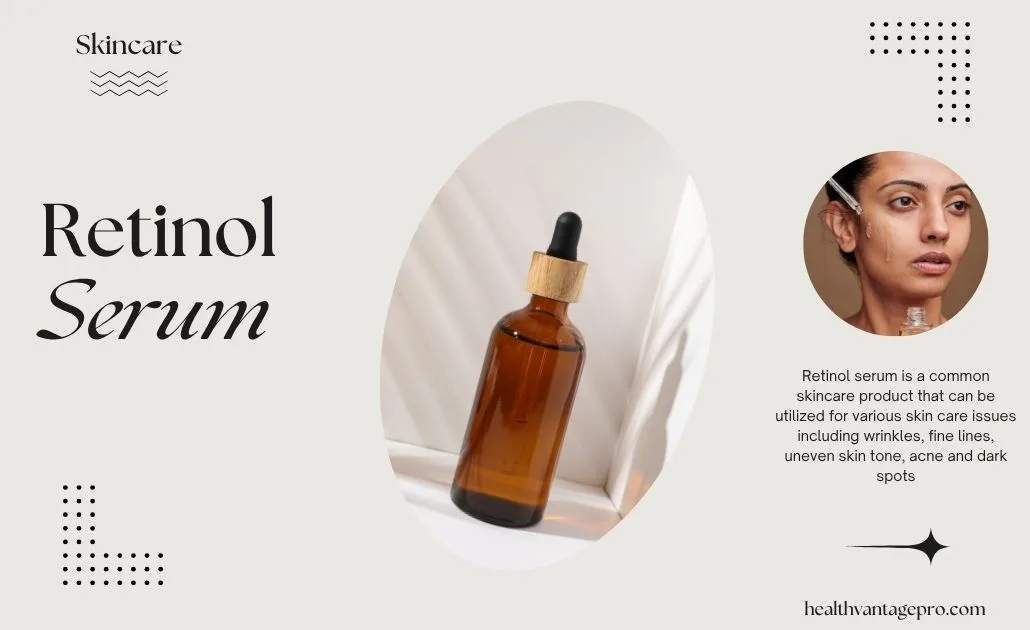
Retinol serum has earned its place as one of skincare's most trusted ingredients, and it's not hard to see why. This form of vitamin A is widely used to target wrinkles, fine lines, uneven skin tone, acne, and dark spots — with decades of research backing its effectiveness. But retinol is also a potent ingredient, which means using it the wrong way can lead to dryness, peeling, and irritation rather than the smooth, even skin most people are chasing.
Here's a complete breakdown of what retinol serum does, who should use it, and how to work it into your routine without the guesswork.
What Exactly Is Retinol Serum?
Retinol serum is a topical product formulated with retinol, a derivative of vitamin A. Once applied to the skin, it converts into retinoic acid, the active form responsible for its results. Retinoids are among the most well-studied ingredients for treating acne and addressing visible signs of photoaging.
Because retinol works gradually, regular and moderate use matters far more than applying a large amount all at once.
The Core Benefits
Smoother fine lines. Retinol boosts collagen production, which over time can make lines and wrinkles appear less pronounced.
Stronger collagen support. This is one of the most researched effects of retinoids, helping maintain firmer, more structured-looking skin.
Better texture. Rough or uneven skin tends to look smoother with consistent use, and pores may appear more refined.
Fading dark spots. By speeding up cell turnover, retinol can help fade post-acne marks and pigmentation — though daily sunscreen is essential for this benefit to hold.
Picking the Right Retinol Serum for Your Skin
- New to retinol? Start with a lower concentration, around 0.2–0.3%.
- Oily or acne-prone skin? A lightweight, gel-based formula tends to work best.
- Dry or sensitive skin? Look for formulas with hydrating ingredients like hyaluronic acid or ceramides.
- Experienced with retinol? Higher concentrations, such as 1%, are usually well tolerated.
- Cleanse first. Use a gentle cleanser and pat your skin dry. If your skin is sensitive, wait about 20 minutes before applying retinol.
- Apply sparingly. A pea-sized amount is enough for your entire face. Avoid the eyelids, nose corners, and lips unless the product says otherwise.
- Moisturize. This helps protect your skin barrier and reduce dryness.
- Sunscreen every morning. Retinol increases sun sensitivity, so this step isn't optional.
Beginners should apply retinol once or twice a week, increasing frequency only as the skin adjusts.
The Sandwich Technique for Sensitive Skin
If your skin is prone to irritation, try layering: moisturizer, then retinol serum, then another layer of moisturizer. This buffers the retinol's intensity while still allowing it to work.
Possible Side Effects
Early use of retinol serum can cause temporary irritation, including:
- Dryness
- Peeling
- Redness
- Stinging or burning
- Increased sensitivity to sun
These effects are more common with higher concentrations or overly frequent application. If irritation is severe or doesn't improve, scale back use or consult a dermatologist.
Combining Retinol With Niacinamide
Retinol and niacinamide pair well together. Niacinamide supports the skin barrier, which can make retinol more tolerable overall. A simple routine: cleanser, niacinamide, retinol serum, then moisturizer. When trying both for the first time, introduce them one at a time to track how your skin responds.
Who Should Avoid Retinol Serum
- Those who are pregnant, trying to conceive, or breastfeeding
- Anyone with rosacea, eczema, or a compromised skin barrier
- People currently using a prescription retinoid medication
A dermatologist consultation is recommended before starting in these cases.
Final TakeawayRetinol serum remains one of the most effective ingredients for improving fine lines, texture, acne, and pigmentation — but results depend on using it correctly. Starting low, moisturizing consistently, and never skipping morning sunscreen are the keys to seeing benefits without unnecessary irritation.