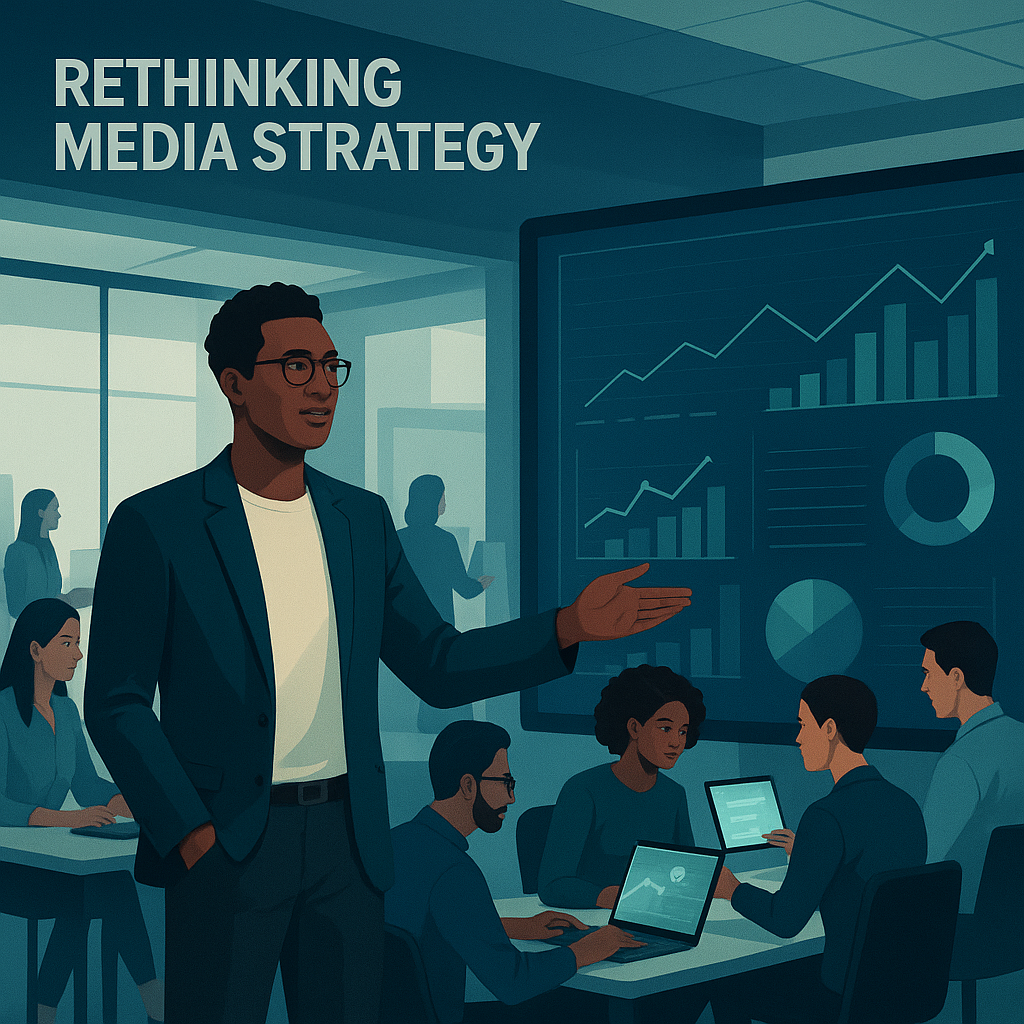
Hook Introduction: A Market on the Move
In 2026, the digital marketing job market is witnessing an unprecedented surge in demand for media strategy professionals. With businesses racing to optimize their omnichannel presence and leverage data-driven insights, media strategists have evolved from niche roles into core pillars of marketing teams. According to industry estimates, digital marketing job openings related to media strategy have grown by over 40% since 2024, outpacing general marketing roles. This shift underlines a fundamental change in how brands interact with consumers across digital platforms.
Picture a bustling New York marketing agency in mid-October 2026: hiring managers are inundated with resumes for media strategy positions. Companies from startups to multinational conglomerates are investing heavily in these roles, recognizing that the right media strategy can convert digital noise into tangible revenue streams. The urgency is palpable; with evolving consumer behaviors and the integration of AI-powered marketing tools, the landscape demands professionals who can blend creativity with data fluency.
"Media strategists are no longer just planners—they are architects of customer journeys across an increasingly fragmented digital ecosystem," notes a senior recruiter at a Fortune 500 firm.
Background and Context: How We Got Here
The rise of media strategy roles is rooted in the broader digital transformation that accelerated throughout the 2020s. Digital marketing itself has matured from simple banner ads and SEO tactics to complex ecosystems involving programmatic advertising, influencer collaborations, immersive content, and AI-driven personalization. The traditional silos between marketing, media buying, and analytics have blurred.
As early as 2022, companies began prioritizing integrated media strategies to manage multichannel campaigns effectively. The explosion of platforms like TikTok, augmented reality ads, and interactive commerce created new challenges and opportunities. Brands needed experts who could not only plan budgets but also forecast engagement, optimize cross-platform messaging, and harness emerging technologies.
The media strategy role evolved to meet these demands, becoming a hybrid function that requires strategic foresight, technical skills, and creative thinking. This transformation was supported by advances in marketing technology stacks—CRM systems, AI analytic engines, and real-time bidding platforms—that empowered strategists to make data-backed decisions at scale.
Industry reports from 2023 highlighted a 25% increase in companies establishing dedicated media strategy departments, a trend that only intensified in subsequent years as digital ad spending topped $650 billion worldwide by 2025, according to Statista data. This context explains why media strategy jobs have become critical hiring priorities across sectors.
Core Analysis: Decoding the Hiring Surge
The hiring surge for media strategy and digital marketing roles can be attributed to several interrelated factors. First, the complexity of digital media ecosystems requires specialized expertise. Second, the competitive pressure to innovate marketing approaches is stronger than ever. Third, the integration of AI and machine learning tools demands new skill sets.
Data from leading recruitment platforms in mid-2026 reveals the following hiring trends:
- Job postings for media strategists increased by 45% year-over-year.
- Average salaries
- Remote and hybrid work models
- Demand for cross-functional skills
Employers are specifically seeking candidates who can craft multi-touchpoint media campaigns that align with brand narratives and measurable KPIs. This differs from traditional media buying roles focused solely on cost efficiency. Today's media strategists must anticipate platform algorithm changes, consumer sentiment shifts, and regulatory impacts on digital advertising.
Comparatively, roles in content creation, SEO, and social media management remain important but are increasingly integrated under broader media strategy leadership. This consolidation signals a strategic shift, as companies seek unified approaches to digital marketing challenges.
As one Chief Marketing Officer remarked in a 2026 panel discussion, "Media strategy professionals are the connective tissue between creativity, data, and technology—without them, digital marketing campaigns risk fragmentation and inefficiency."
Current Developments in 2026: New Frontiers and Emerging Roles
This year, several new dynamics have influenced media strategy and digital marketing hiring:
- AI-Enhanced Media Planning: AI tools now automate large portions of audience segmentation and media mix modeling. However, human strategists are needed to interpret AI outputs and integrate them into brand storytelling.
- Privacy-First Marketing: With privacy regulations tightening globally, media strategists must design campaigns that respect user data while maintaining effectiveness, requiring expertise in privacy-compliant ad tech.
- Metaverse and Immersive Advertising: Brands are increasingly investing in virtual spaces, necessitating media strategists who understand immersive environments and experiential marketing.
- Sustainability and Ethical Marketing: Consumer demand for responsible brands has led media strategy roles to include sustainability messaging and ethical content curation.
- Hybrid Roles and Upskilling: Many media strategy jobs now require hybrid skills, blending traditional marketing knowledge with proficiency in AI tools, data science, and even coding.
Companies such as MetaTech Solutions and GreenLeaf Brands have recently expanded their media strategy teams by 30% to address these challenges. Hiring managers emphasize the need for agility and continuous learning in candidates.
Moreover, remote hiring has expanded opportunities globally. Talents from emerging markets in Southeast Asia, Latin America, and Eastern Europe are increasingly filling advanced media strategy roles, boosting diversity and innovation.
For further insights on hiring surges, see our related coverage Why Media Strategy Roles Are the Fastest-Growing Jobs in Digital Marketing and How Media Strategy Shapes Digital Marketing Careers in 2026.
Expert Perspectives and Industry Impact
Industry leaders consistently highlight the strategic importance of media roles in marketing success. Jane Li, Global Head of Media Strategy at a leading e-commerce firm, explains:
"The ability to synthesize consumer data, platform trends, and creative assets into a cohesive media plan is what separates good marketers from great ones. Media strategists drive measurable business outcomes by bridging these domains."
Consultancies report that companies investing in media strategy talent experience a 20–30% uplift in campaign ROI compared to those relying on fragmented teams. This evidence is reshaping budget allocations toward media strategy leadership and training.
Furthermore, media strategy roles are fostering innovation. Teams are experimenting with AI-driven creative testing, dynamic ad placements, and cross-platform attribution models. The result is a marketing ecosystem that is more adaptive and consumer-centric.
However, challenges remain. Talent shortages in data science skills within media strategy teams are a persistent bottleneck. Industry-wide initiatives have begun to address this gap through specialized training programs and partnerships with universities.
- Key skills emphasized include:
- Advanced analytics and data visualization
- Familiarity with programmatic advertising platforms
- Strong communication and storytelling abilities
- Agility in adapting to new technologies
Recruiters stress that candidates who combine technical prowess with strategic vision have the best prospects in this competitive field.
What to Watch: Future Outlook and Strategic Takeaways
Looking ahead, media strategy roles are poised to become even more central to digital marketing frameworks. The rapid evolution of AI, privacy norms, and immersive media will continue to redefine job descriptions and required competencies.
Marketers should anticipate the following trends shaping hiring and career development:
- Increased Integration of AI and Human Insight: Media strategists will need to master AI tools while providing nuanced human judgment.
- Greater Emphasis on Ethical and Transparent Marketing: Navigating consumer trust issues will be a core responsibility.
- Expansion into New Media Channels: Roles will extend into emerging platforms like augmented reality commerce and AI-generated content environments.
- Continuous Learning as a Necessity: Rapid platform changes demand ongoing upskilling and versatility.
- Hybrid Work Models Enhancing Talent Pools: Remote-friendly roles will attract diverse global candidates, increasing competition but also innovation.
Professionals aiming to enter or advance in media strategy should focus on building fluency in data analytics, AI applications, and cross-channel media planning. Certifications in emerging ad tech and privacy compliance will be valuable differentiators.
Companies must also invest in nurturing media strategy talent through mentorship, cross-functional collaboration, and exposure to emerging technologies.
As one industry strategist summarized, "The future of digital marketing hinges on the strategic minds who can harmonize technology, creativity, and consumer empathy—media strategists are at that intersection."
For a deeper dive into the evolving career landscape, our readers can explore Why Media Strategy Roles Are Driving Digital Marketing Hiring Surges.