
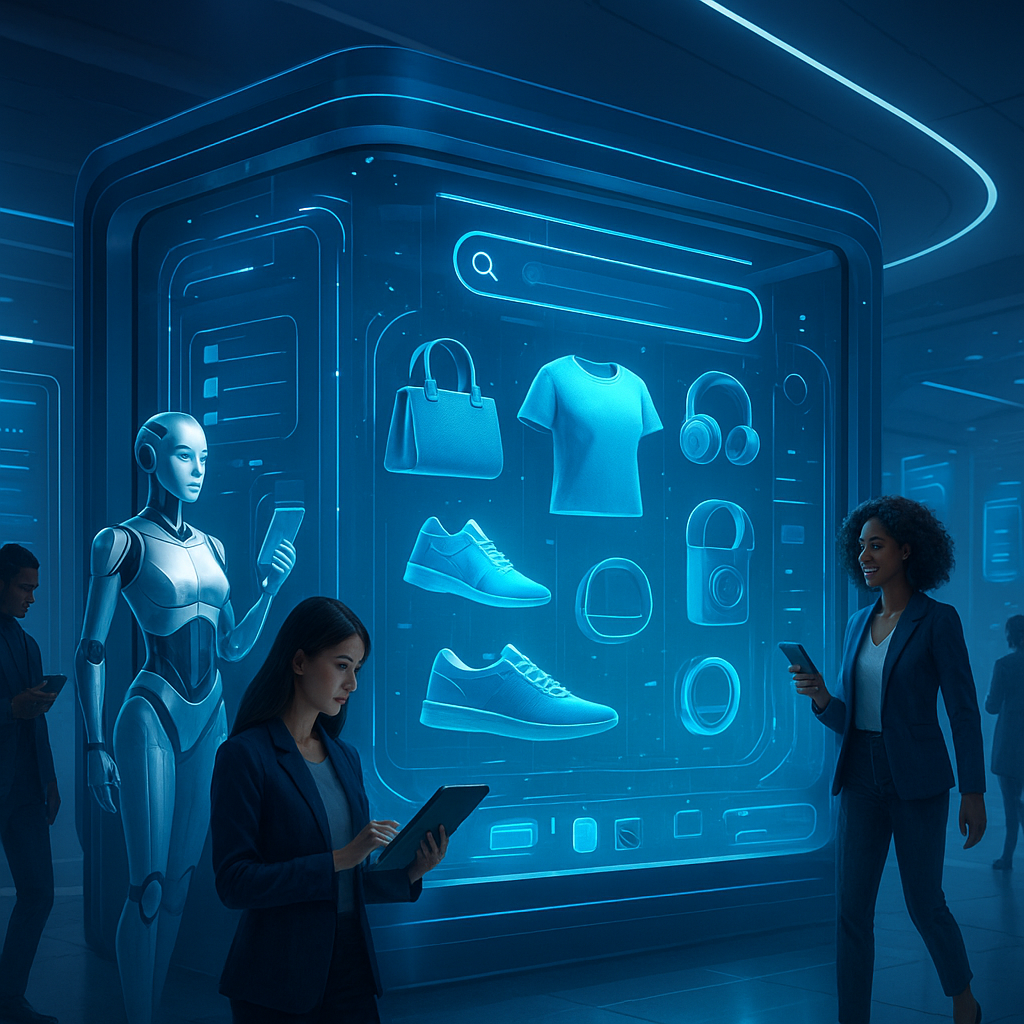
The New Dawn of Ecommerce: A Snapshot from 2026
In early 2026, a mid-sized apparel brand in Berlin made headlines not by launching a new collection, but by unveiling its AI-driven virtual store that offers a fully immersive 3D shopping experience. Customers worldwide can now try outfits via advanced augmented reality (AR) mirrors synced to their mobile devices. This vivid scene epitomizes how ecommerce has accelerated beyond simple online storefronts into a multidimensional digital marketplace. According to Statista, global ecommerce sales crossed $7.7 trillion in 2025, a staggering 22% increase from 2024, underscoring a paradigm shift in how consumers engage with brands.
This transformation is not merely technological; it is reshaping consumer behavior, supply chains, and competitive strategies across sectors. With generative AI, blockchain applications, and sustainability concerns converging, 2026 stands as a pivotal year for digital commerce. As the industry evolves, businesses must navigate a complex ecosystem of opportunities and challenges, redefining their approach to growth and engagement.
"Ecommerce today is less about transactions and more about creating personalized, trust-rich experiences that transcend geography and time," notes digital strategist Maria Chen.
From Clicks to Experiences: The Evolutionary Backdrop
The journey to 2026’s ecommerce landscape is rooted in decades of incremental innovation, fueled by shifts in technology and consumer expectations. The early 2020s saw the rise of mobile commerce and social shopping, accelerated by the pandemic’s impact on brick-and-mortar retail. By 2023, AI-powered recommendation engines and chatbots became standard, but these tools largely focused on efficiency rather than immersive engagement.
Simultaneously, supply chains became more resilient but complex, incorporating real-time data analytics and predictive logistics. The 2024–2025 period introduced a wave of no-code ecommerce platforms, democratizing store creation and customization, as detailed in our analysis of no-code tools. Meanwhile, dropshipping models quietly reinvented themselves, optimizing supplier networks and regional fulfillment as explored in our recent coverage on dropshipping’s new terrain.
Environmental consciousness also began influencing purchasing decisions. Brands that integrated circular economy principles and transparent carbon footprint tracking gained favor. Consumer demand for authenticity and ethical sourcing became a critical differentiator, driving investment in blockchain-based provenance systems.
Industry analyst Raj Patel observes, "The maturation of ecommerce has shifted from mere convenience to values-driven commerce coupled with technological sophistication."
Core Trends Driving Ecommerce’s 2026 Landscape
The ecommerce sector’s 2026 dynamics are shaped by several interlocking trends, each contributing to a more nuanced, data-rich, and consumer-centric marketplace. Here are the most influential forces:
- Immersive Commerce Technologies: Augmented reality and mixed reality tools now enable shoppers to interact with products and brands in hyper-realistic environments. Virtual try-ons for fashion, AR-enabled home décor placement, and even virtual pop-up stores are mainstream.
- AI-Powered Hyper-Personalization: Beyond simple recommendations, AI systems analyze multimodal data—including biometric and emotional inputs—to tailor experiences in real-time. This leads to dynamic pricing, personalized promotions, and adaptive interfaces.
- Decentralized Marketplaces and Blockchain: Blockchain adoption has matured, enabling transparent supply chains, NFT-based limited edition products, and decentralized autonomous retail organizations (DAROs) that allow consumers to participate in governance and brand direction.
- Sustainability Integration: Eco-friendly packaging, carbon offset options at checkout, and circular product lifecycles are embedded in ecommerce platforms, responding to consumer demand and regulatory pressures.
- Voice and Conversational Commerce: Voice assistants integrated with ecommerce platforms facilitate seamless purchasing through natural language, supported by multilingual AI chatbots that enhance global reach.
These trends illustrate a shift from transactional ecommerce to experiential ecosystems where technology, ethics, and consumer psychology intertwine.
What’s New in 2026: Industry Innovations and Shifts
The current year has introduced several noteworthy developments that are reshaping ecommerce’s operational and strategic fabric. Foremost is the rise of generative AI content engines directly interfaced with ecommerce platforms, enabling automated creation of product descriptions, imagery, and even personalized marketing videos at scale.
Retailers are increasingly adopting AI-driven inventory management systems that leverage real-time social media sentiment and trend data to optimize stock levels, reducing waste and improving responsiveness. For example, Zalora, a leading Southeast Asian fashion retailer, reported a 15% inventory turnover improvement after implementing AI predictive analytics in Q1 2026.
Another significant advancement is the mainstream adoption of Web3 technologies. Decentralized marketplaces now allow peer-to-peer transactions with embedded smart contracts, reducing intermediary fees and enhancing trust. Fashion brands are launching NFT-linked products that confer exclusive access to digital fashion shows or limited-edition items, blending physical and digital ownership.
Cross-border ecommerce has also been streamlined with AI-powered localization tools that adapt pricing, language, and payment options automatically. This reduces friction for global consumers and boosts conversion rates.
- Introduction of AI-generated live shopping hosts enhancing engagement on platforms such as TikTok and Instagram.
- Expansion of autonomous delivery using drones and robots, reducing last-mile costs and delivery times.
- Increased regulation around data privacy and AI transparency, prompting platforms to adopt ethical AI frameworks.
These developments collectively signal a more intelligent, interactive, and ethical ecommerce ecosystem.
Industry Voices: Perspectives from the Frontlines
Insight from leaders and experts offers a window into how businesses are adapting and capitalizing on 2026 trends. Jessica Liu, CTO of a global SaaS provider specializing in ecommerce solutions, emphasizes the importance of seamless integration: "Brands that successfully unify AI, AR, and blockchain capabilities within their platforms create unparalleled customer journeys and foster loyalty beyond price competition."
Meanwhile, sustainability consultant Ravi Singh highlights consumer activism’s role: "Today's shoppers are vocal and informed. Brands ignoring ecological impact face reputational risks that quickly erode market share. Transparency is no longer optional; it is a competitive edge."
From a strategic viewpoint, venture capitalist Helen Kim notes a funding shift: "Investors prioritize startups that combine technology with social responsibility. The winners in 2026 are those solving real-world problems through innovative ecommerce models."
These perspectives reinforce the need for ecommerce operators to innovate responsibly and holistically.
Looking Ahead: Strategic Imperatives for Ecommerce Stakeholders
As 2026 unfolds, ecommerce players must anticipate and adapt to continuing change. Key takeaways for brands and platform providers include:
- Invest in Immersive Technologies: Early adoption of AR, VR, and AI personalization will be critical to stand out in a crowded market.
- Enhance Ethical Transparency: Building trust through visible sustainability efforts and clear data practices will become baseline expectations.
- Leverage Decentralization: Exploring blockchain-enabled community engagement can unlock new loyalty and monetization models.
- Optimize Global Reach: Utilize AI-driven localization and payment innovations to tap into emerging markets efficiently.
- Prepare for Regulatory Evolution: Compliance with evolving AI governance and privacy laws will require agile operational frameworks.
Businesses ignoring these imperatives risk obsolescence, while those embracing them can unlock sustained growth and resilience.
For a comprehensive understanding of how to harness these trends, our masterclass on advanced growth strategies provides actionable insights and case studies. Additionally, to grasp the broader transformation of commerce globally, see our feature on ecommerce’s digital revolution.
"In 2026, ecommerce is not just where you sell, but how you connect, sustain, and innovate," summarizes Maria Chen, encapsulating the essence of this ongoing revolution.