May 2026: A Turning Point in Dropshipping’s Evolution
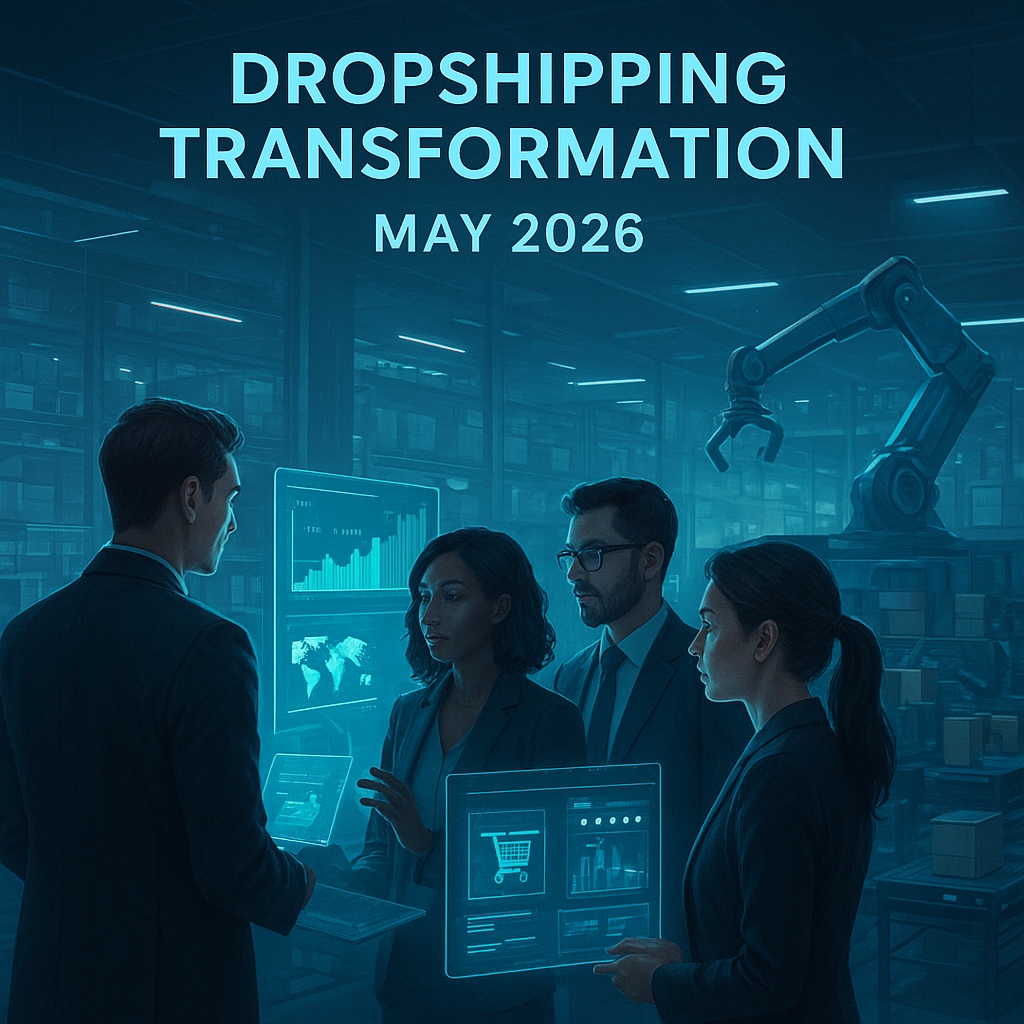
On a brisk morning in late May 2026, a small yet growing cohort of ecommerce entrepreneurs gathered virtually to discuss the seismic shifts in dropshipping. What was once perceived as an entry-level business model dominated by low-margin products and questionable quality has quietly transformed. Dropshipping today is no longer a simple fulfillment tactic; it has metamorphosed into a sophisticated, technology-driven strategy that integrates artificial intelligence, sustainable supply chains, and global micro-fulfillment centers.
This transformation is underscored by recent data from ecommerce analytics firms indicating a 27% growth in dropshipping revenue year-over-year since 2024. Industry experts note that this resurgence is fueled by technological advances and a strategic pivot away from the pitfalls of the early 2020s. As the sector moves past its earlier reputation for slow shipping and poor customer experience, May 2026 stands as a pivotal moment capturing this quiet reinvention.
"Dropshipping is no longer the low-hanging fruit of ecommerce but a strategic powerhouse leveraging AI and sustainability to redefine supply chains," remarks Elaine Ho, CEO of a leading SaaS dropshipping platform.
From Humble Beginnings to Strategic Sophistication
Dropshipping emerged in the late 2000s as a low-cost method for aspiring entrepreneurs to start online stores without holding inventory. By the mid-2010s, platforms like Shopify and Oberlo made setting up dropshipping stores accessible globally, leading to a proliferation of micro-businesses. However, the model’s shortcomings — long delivery times, quality control issues, and thin profit margins — sparked skepticism among seasoned retailers and consumers alike.
Between 2020 and 2023, the landscape began shifting. The pandemic accelerated ecommerce adoption broadly, but also exposed weaknesses in global supply chains. Dropshippers reliant on distant suppliers suffered delays and reputational damage. Industry veterans pushed for innovation, leading to a wave of SaaS solutions integrating real-time inventory syncing, AI-powered supplier vetting, and automated customer service bots.
By 2025, dropshipping had started shedding its amateurish image. The rise of regional micro-fulfillment hubs reduced delivery times drastically. Companies began adopting hybrid models combining dropshipping with local warehousing and direct-to-consumer logistics. This evolution culminated in the 2026 landscape we see today — a hybrid, AI-driven, and customer-centric model that commands respect among ecommerce professionals.
Data-Driven Insights: The 2026 Dropshipping Landscape
Analyzing 2026’s dropshipping market through the lens of recent industry reports reveals fascinating trends that highlight the model’s current strengths and challenges. According to a comprehensive report by the Ecommerce Growth Institute, dropshipping now accounts for approximately 18% of global ecommerce sales, up from 12% in 2023.
Key drivers behind this growth include:
- AI-Powered Supplier Selection: Platforms now utilize machine learning algorithms to assess supplier reliability, product quality, and shipping efficiency, reducing risk and enhancing customer satisfaction.
- Micro-Fulfillment Centers: Strategic deployment of small local warehouses allows sellers to stock best-sellers closer to consumers, cutting shipping times from weeks to days or even hours in metro areas.
- Eco-Conscious Consumer Demand: Dropshippers increasingly prioritize sustainable products and carbon-neutral shipping options, appealing to the rising demographic of environmentally aware shoppers.
However, challenges remain. Intense competition has compressed margins, forcing sellers to innovate in branding and customer experience. Moreover, geopolitical tensions and fluctuating tariffs impose complexities on international sourcing.
Comparatively, traditional inventory-holding ecommerce stores maintain a slight edge in customer loyalty, but dropshipping’s agility and lower upfront costs continue to attract newcomers and niche brands.
"In 2026, dropshipping’s success hinges on how well sellers blend technology with authenticity to build trust," says Marcus Lee, an ecommerce analyst at Statista.
Current Developments Shaping Dropshipping This May
May 2026 has been a particularly dynamic month for dropshipping, with several notable developments emphasizing the model’s maturation. The launch of Shopify’s latest AI-driven fulfillment integration, announced mid-May, exemplifies this trend. This feature allows merchants to automatically route orders to the nearest fulfillment partner based on AI-optimized algorithms, slashing transit times and costs.
Simultaneously, the rise of the metaverse is influencing product discovery and marketing. Dropshippers are experimenting with virtual storefronts and augmented reality try-ons, providing immersive shopping experiences that enhance conversion rates. Early adopters report a 15% uplift in engagement through these channels, according to internal case studies shared by SaaS providers.
Additionally, regulatory frameworks have tightened in key markets such as the EU and US. New compliance standards focus on transparency in product origin, environmental impact disclosures, and data privacy. Dropshippers have responded by adopting blockchain-based supply chain tracking, ensuring verifiable provenance and compliance.
The competitive landscape is also shifting. Regional players in Southeast Asia and Eastern Europe are gaining traction by combining lower labor costs with improved infrastructure. This geographic diversification helps mitigate risks from over-reliance on traditional hubs like China.
Expert Perspectives: The Industry’s Viewpoint
Industry leaders and analysts offer a nuanced view of dropshipping’s trajectory in 2026. Many agree the model’s reinvention is driven by a convergence of technology, consumer expectations, and supply chain innovation.
Elaine Ho, CEO of a leading SaaS dropshipping platform, emphasizes the role of AI: "Automation and intelligent data analysis have transformed dropshipping from a risky gamble to a scalable business model. Sellers are better equipped than ever to curate quality products and deliver exceptional experiences."
Conversely, Marcus Lee cautions that dropshipping’s sustainability depends on continuous adaptation: "With low barriers to entry, competition is fierce. Success increasingly depends on brand differentiation, ethical sourcing, and leveraging emerging tech like blockchain and AR."
Retailers transitioning to hybrid models combining dropshipping with localized warehousing highlight how flexibility is key to meeting diverse consumer demands. According to recent interviews with ecommerce executives, partnerships between SaaS providers and logistics firms are deepening, creating integrated ecosystems that streamline operations.
"Dropshipping is evolving from a mere supply chain tactic to a cornerstone of modern ecommerce strategy," notes Ho.
Future Outlook: What to Watch Beyond May 2026
Looking ahead, several trends will likely shape dropshipping’s continued evolution:
- Further AI Integration: Predictive analytics will enable sellers to anticipate trends and optimize inventory placement dynamically.
- Green Logistics: Sustainability mandates will push dropshippers to adopt carbon-neutral shipping and circular supply chains.
- Decentralized Marketplaces: Blockchain technology could foster peer-to-peer ecommerce platforms reducing reliance on centralized intermediaries.
- Personalized Customer Experiences: Advances in AR and AI-driven personalization will deepen shopper engagement and loyalty.
- Regulatory Complexity: Evolving data privacy and trade laws will require agile compliance strategies.
Entrepreneurs eyeing dropshipping opportunities should focus on technology adoption, brand authenticity, and environmental responsibility to thrive. As highlighted in Dropshipping’s 2026 Renaissance, the new frontier is defined by innovation and adaptation rather than mere product sourcing.
Meanwhile, those seeking strategic guidance can benefit from the insights shared in Mastering Dropshipping: A Strategic Blueprint for Ecommerce Success, which stresses the importance of hybrid fulfillment models and customer-centric approaches.
Case Studies: Real-World Success in 2026
Consider the example of UrbanEco, a dropshipping brand specializing in sustainable home goods. By integrating AI-driven supplier vetting and partnering with regional micro-fulfillment centers across North America and Europe, UrbanEco reduced average delivery times from 14 days in 2024 to under 3 days by May 2026. Their emphasis on transparent supply chains and eco-friendly materials resonated with a growing demographic of conscious consumers, resulting in a 45% revenue increase year-over-year.
Another compelling case is TechTrendz, an electronics dropshipping store leveraging augmented reality for product demos. By creating immersive virtual showrooms within popular metaverse platforms, TechTrendz boosted conversion rates by 18% and reduced return rates by showcasing products realistically before purchase.
- UrbanEco’s Key Innovations: AI supplier analytics, regional warehousing, carbon-neutral logistics
- TechTrendz’s Success Factors: AR product visualization, metaverse storefronts, customer engagement analytics
These examples illustrate how strategic technology adoption and a focus on customer experience are critical for dropshipping success in 2026’s competitive eCommerce ecosystem.
As dropshipping quietly reinvents itself, entrepreneurs and investors alike must recalibrate their expectations and strategies to align with this nuanced, high-tech reality.