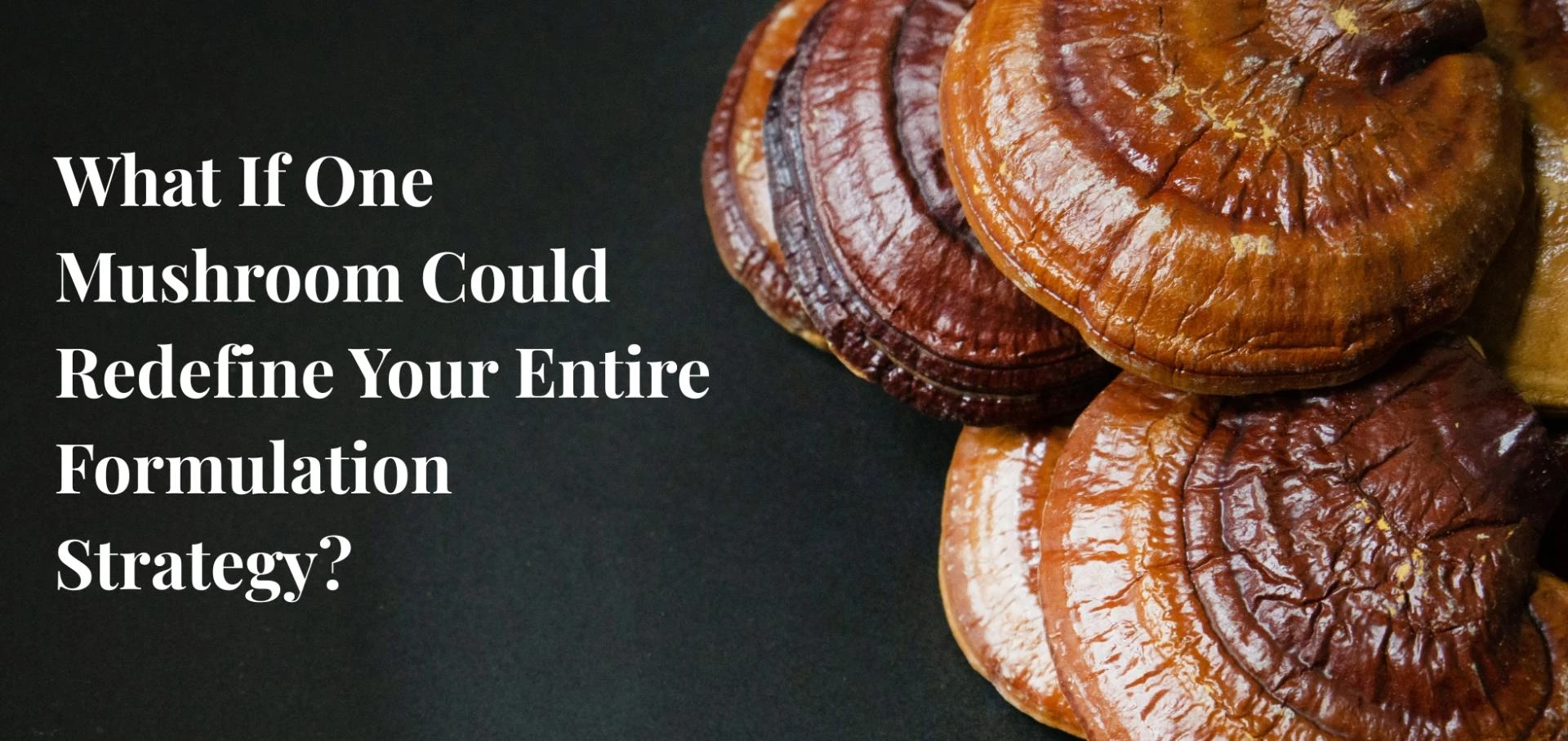
If there’s one ingredient I’ve seen gaining serious traction across product development teams lately, it’s reishi mushroom powder. Known as the “Mushroom of Immortality” in traditional Eastern medicine, reishi (Ganoderma lucidum) has moved far beyond folklore to become a functional powerhouse in a range of wellness-focused formulations. What’s particularly interesting is how this adaptogenic ingredient has carved a niche in both conventional and cutting-edge product categories—from dietary supplements and functional foods to beverages, skincare, and even pet health.
So, what’s behind this surge in demand? And how can manufacturers make the most of reishi’s unique profile in their next formulation? Let’s explore!
Why Reishi Mushroom Powder Has Become a Formulator’s Favorite
At a time when the market is saturated with synthetic actives and overstimulating compounds, reishi offers something refreshingly different: a natural, calming ingredient with multi-dimensional benefits. The powder is made from finely milled dried fruiting bodies of the mushroom, sometimes dual-extracted to retain both water- and alcohol-soluble compounds, maximizing its therapeutic potential.
Key Bioactives and What They Do
The primary compounds that make reishi so valuable are,
- Triterpenoids – These contribute to its bitter taste and are responsible for many of its adaptogenic and liver-supportive properties. In product development, they’re especially attractive for stress management, detox, and immune-boosting formulations.
- Polysaccharides (especially β-glucans) – Known for their immune-modulating effects, these complex sugars are useful in everything from immune support capsules to anti-aging skincare. They also lend themselves well to functional food applications, improving both texture and bioavailability.
- Peptidoglycans and Sterols – These compounds contribute to reishi’s overall health-supporting effects, including cardiovascular and respiratory support, which opens up even more product positioning options.
The beauty of reishi is that it doesn’t just “do one thing.” Depending on how it’s formulated—on its own or synergistically with other ingredients—it can serve vastly different purposes, which makes it a go-to for formulators aiming for flexibility and function.
Where Reishi Is Used Across Industries
Let’s break this down from an industrial standpoint, focusing on where reishi is most impactful:
1. Nutraceuticals and Supplements
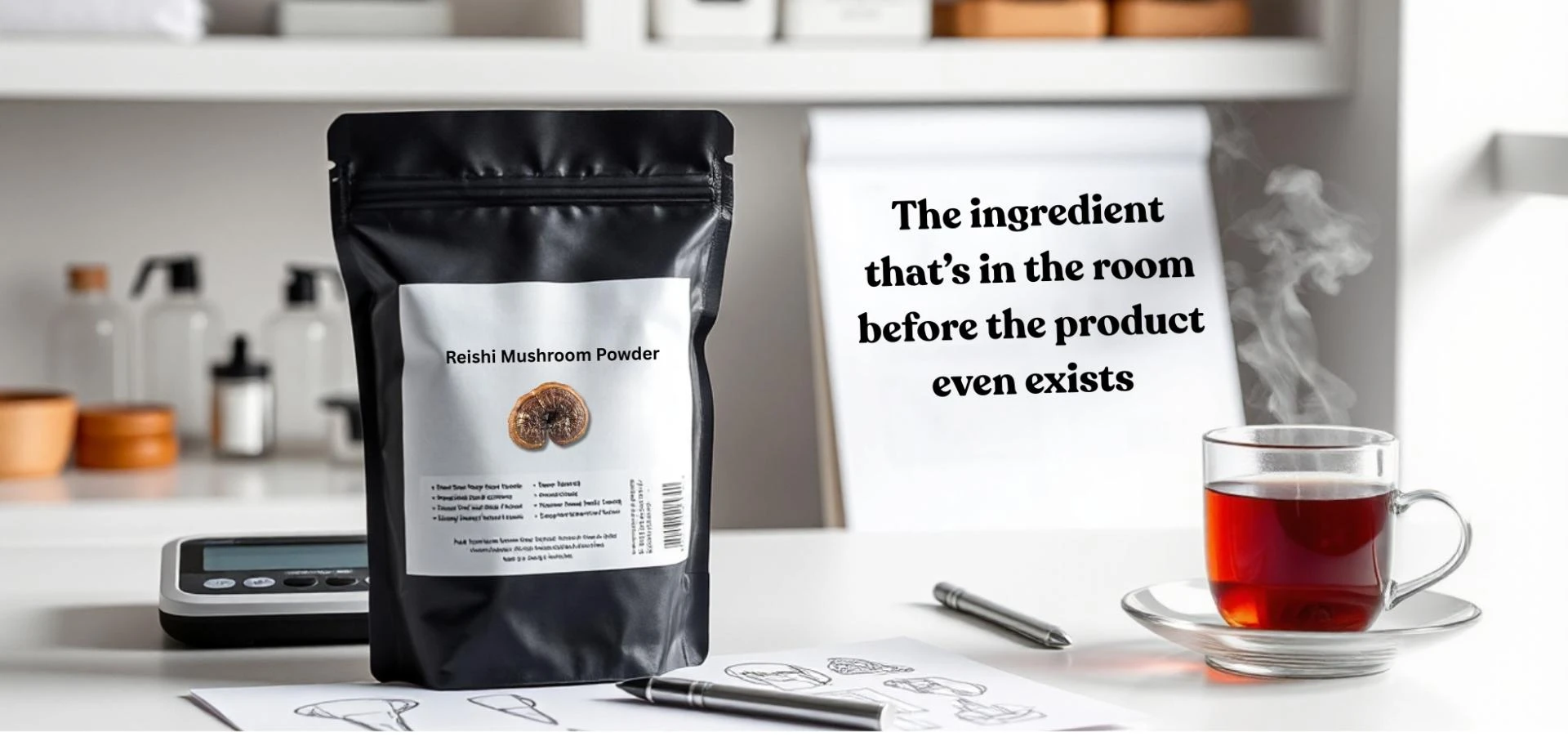
Reishi mushroom powder has firmly established its role in capsules, tablets, and powder blends targeting immunity, stress, and sleep. Brands are formulating around it, not just for its benefits, but also for its growing recognition among health-conscious consumers. With interest in holistic wellness on the rise, reishi fits perfectly into daily supplement regimens.
2. Functional Beverages
The trend toward adaptogenic beverages has exploded. Reishi is being used in calming teas, hot cacao blends, and even sparkling drinks with a wellness twist. Its earthy profile pairs well with cacao, cinnamon, and vanilla, making it ideal for beverage formulators looking to strike that balance between function and flavor.
3. Personal Care and Beauty
Thanks to its antioxidant and anti-inflammatory properties, reishi is also entering the skincare world. It’s being used in creams, serums, and masks targeting inflammation, dullness, and stressed-out skin—an extension of its internal calming benefits to external application.
4. Pet Health
Pet supplements are no longer fringe. As more pet owners embrace holistic health, reishi is finding its way into immune and stress support formulas for animals. Powdered mushroom blends for pets often include reishi alongside other functional fungi like turkey tail and lion’s mane.
How to Source Bulk Reishi Mushroom Powder
Sourcing high-quality reishi mushroom powder in bulk is critical—not just for efficacy, but also for consistency and compliance. If you're a buyer or product developer, here are some sourcing points to keep in mind:
- Fruiting Body vs. Mycelium: Always check if the product is made from the fruiting body (preferred for potency) or mycelium (sometimes cheaper, but less potent unless cultivated on wood). The distinction impacts the product’s effectiveness and labeling claims.
- Organic Certification: Organic reishi powder aligns with clean-label expectations and is increasingly demanded by both brands and end consumers. Make sure the supplier can provide valid, up-to-date certification.
- Extraction Method: For potent bioavailability, dual extraction (hot water + alcohol) is often preferred. This ensures both triterpenoids and polysaccharides are retained in meaningful amounts.
- Testing and Compliance: Look for third-party lab testing for heavy metals, microbial content, and active compound percentages (like β-glucans and triterpenes). This is especially important if you're formulating for regulated markets.
Common B2B FAQs Around Reishi
Is reishi suitable for beverages?
Yes, but taste masking might be necessary depending on your flavor profile. Reishi has a naturally bitter, earthy taste.
Can it be used in combination with other adaptogens?
Absolutely. Reishi pairs well with ashwagandha, holy basil, lion’s mane, and more. Formulators often combine it to broaden functional claims.
Is there seasonality in availability?
Depending on the region and cultivation method, some variation can occur. Cultivated reishi (especially in controlled environments) helps ensure year-round availability.
What mesh size works best for different applications?
For capsules and tablets, finer mesh is preferred (e.g., 80–100). For teas or bulk blends, coarser powder may be acceptable.
Final Thoughts
Reishi mushroom powder is becoming a foundational ingredient in functional wellness formulations. What makes it especially powerful from a business perspective is its adaptability. Whether you're developing a calming tea blend, an immune-supporting supplement, or a soothing skincare line, reishi offers substance, not just hype.
As someone who’s worked with a variety of functional ingredients, I can say that few offer the combination of tradition, science-backed efficacy, and cross-industry relevance like reishi does. It’s an ingredient that speaks to where the wellness market is headed—and the kind that smart formulation teams keep on their radar.