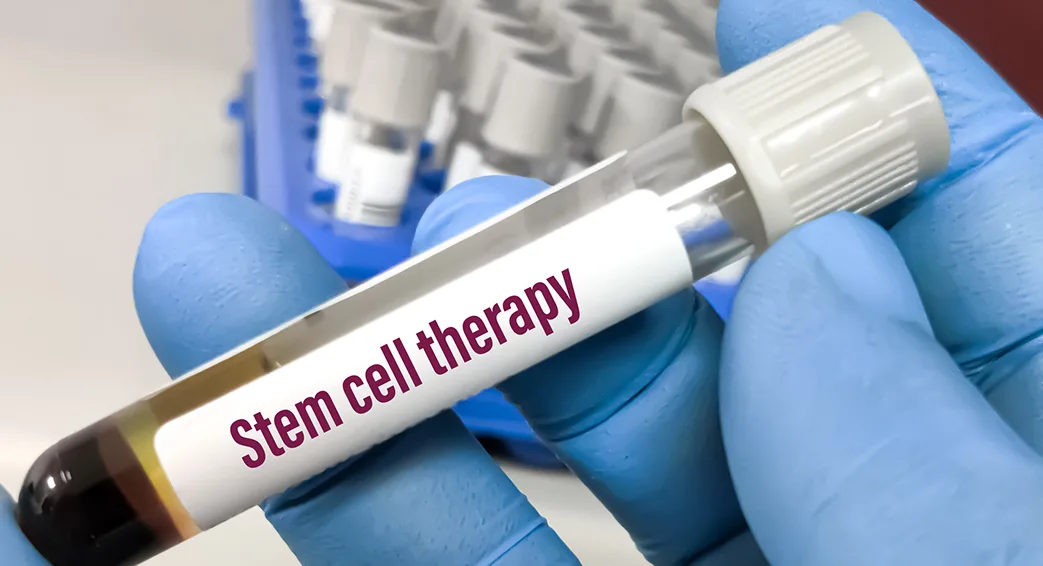
When persistent physical problems begin interfering with movement, exercise, or everyday life, simply addressing discomfort may not always provide the bigger picture. Modern wellness increasingly looks at how tissue health, inflammation, hormonal function, nutrition, metabolism, and recovery interact. For individuals exploring advanced regenerative approaches, Stem Cell Therapy may be one option worth discussing with a qualified professional when clinically appropriate. The emphasis should remain on individualized assessment rather than assuming that one treatment can solve every problem.
The Body Works as an Integrated System
The human body does not operate through isolated systems.
Muscles, joints, connective tissues, hormones, metabolism, and the nervous system continuously interact. A disruption in one area can sometimes influence other aspects of physical function and overall well-being.
This is why a broader approach to health can be valuable. Instead of focusing exclusively on where a person experiences discomfort, practitioners can consider the individual's history, lifestyle, physical demands, recovery habits, nutrition, and other relevant factors.
Such an approach can reveal considerations that may otherwise be overlooked.
Why Tissue Health Matters
Healthy tissues are essential for movement and physical performance.
When an injury or degenerative process affects a joint, tendon, or other structure, everyday activities can become more difficult. Athletes may struggle to maintain their training schedules, while active adults may find themselves avoiding movements they previously performed without hesitation.
Supporting tissue health is therefore about more than reducing discomfort. It can also involve maintaining mobility, preserving function, and helping individuals work toward their desired level of activity.
Understanding Regenerative Medicine
Regenerative medicine encompasses a developing area of healthcare focused on biological approaches to tissue repair and recovery.
Stem-cell-based interventions have generated substantial interest because of their potential applications in musculoskeletal and regenerative care. However, this field is complex, and treatment suitability varies considerably between individuals.
A responsible approach requires understanding the specific condition being addressed, the patient's circumstances, the therapy being considered, and the available evidence.
Regenerative medicine should never be viewed as a guaranteed shortcut to recovery.
Individual Assessment Comes First
Before considering an advanced therapy, it is important to understand the problem being treated.
A detailed evaluation may consider previous injuries, physical activity, movement patterns, symptoms, lifestyle, and overall health. This information can help determine whether regenerative treatment is relevant or whether another strategy may be more appropriate.
For some individuals, rehabilitation and corrective movement may remain central to recovery. Others may benefit from additional interventions.
The right approach depends on the person rather than the popularity of a particular treatment.
Recovery Is a Process, Not an Event
Recovery rarely happens because of one appointment.
The body needs appropriate conditions to support normal repair and adaptation. Sleep, nutrition, hydration, physical activity, stress management, and rehabilitation can all influence the recovery environment.
This is especially important for people who want to return to demanding physical activities.
An advanced therapy may be considered within a larger recovery strategy, but the fundamentals should not be ignored.
The Role of Rehabilitation
Rehabilitation remains an important part of musculoskeletal care.
Strength, mobility, coordination, posture, and movement mechanics can all influence physical function. Even when an individual receives an advanced intervention, appropriate rehabilitation may help address the functional factors surrounding the original problem.
A comprehensive plan therefore looks beyond the treatment itself.
The objective is to help individuals understand how they move, what may be limiting their performance, and what habits can support continued progress.
Hormonal Health Adds Another Layer
Physical recovery is only one aspect of overall wellness.
Hormones influence numerous processes, including energy regulation, body composition, sleep, mood, sexual health, and recovery. Changes in hormonal function can become increasingly noticeable for some individuals as they age.
Because these symptoms can overlap with other health concerns, hormone-related issues deserve careful evaluation.
A person experiencing fatigue, changes in body composition, or reduced physical performance should not automatically assume that hormones are the sole explanation.
Connecting Hormones With Overall Wellness
Hormonal wellness should be considered alongside nutrition, metabolic health, physical activity, sleep, and lifestyle.
These areas can interact in meaningful ways. For example, inadequate sleep may affect energy and recovery, while poor nutritional habits can complicate body-composition goals.
Taking a broader view allows practitioners and patients to consider several potential contributors instead of immediately focusing on one factor.
When Virtual Care Can Improve Access
Modern healthcare technology has made professional consultations more accessible.
For individuals who cannot easily travel to a physical practice, virtual care can provide a practical way to discuss health concerns, goals, and potential treatment options.
This can be particularly useful for people managing busy schedules or seeking specialized expertise beyond their immediate area.
For appropriate patients, Online Hormone Replacement Therapy can provide a convenient pathway for discussing hormone-related concerns through a professionally guided care model.
Telehealth does not eliminate the need for appropriate evaluation. Instead, it can complement the healthcare process when virtual consultation is suitable.
Nutrition Supports the Bigger Picture
Nutrition remains one of the most fundamental components of wellness.
The body requires adequate nutrients to support normal physiological functions, energy production, tissue maintenance, and recovery.
For people dealing with physical limitations or pursuing performance goals, nutritional needs may vary according to activity level and individual circumstances.
A sustainable nutritional plan should be realistic. Extreme restrictions are rarely a practical long-term solution. Instead, consistent attention to nutrient-dense foods, adequate protein, fiber, hydration, and balanced meals can establish a stronger foundation.
Inflammation and Metabolic Health
Inflammation and metabolic health have become increasingly important topics in conversations surrounding chronic health concerns.
Persistent metabolic challenges can influence body composition and overall wellness, while chronic inflammatory processes may be relevant to various health conditions.
These subjects are complex and should not be reduced to simple internet explanations.
A root-focused practitioner can look at the individual's broader circumstances and determine which factors deserve attention rather than assuming that one mechanism explains every symptom.
Why Experience Across Disciplines Matters
Complex health concerns often cross professional boundaries.
Someone experiencing chronic pain may need to think about physical mechanics, rehabilitation, nutrition, recovery, and lifestyle. An individual concerned about body composition may also need to consider metabolic and hormonal factors.
A multidisciplinary background can help create a broader conversation around these interconnected issues.
Experience in physical therapy, acupuncture, nutrition, and herbalism provides different perspectives that can contribute to an integrative wellness philosophy.
Performance Optimization Goes Beyond Athletes
Performance optimization is not exclusively for professional sports.
A parent wanting to stay active, a professional looking to maintain energy, or an older adult trying to preserve mobility can all have performance-related goals.
Being able to move comfortably, recover effectively, maintain strength, and participate in meaningful activities are valuable aspects of quality of life.
The same principles that help athletes optimize performance can often inspire practical strategies for everyday wellness.
Education Helps People Navigate New Treatments
As regenerative medicine, peptides, hormone therapy, and nutritional interventions continue to attract attention, education becomes increasingly important.
Patients need reliable information to understand what a treatment is designed to do, who may be an appropriate candidate, and what limitations may exist.
Professional education also helps prevent unrealistic expectations.
Rather than pursuing every new therapy, individuals can focus on understanding their options and choosing approaches that align with their goals and circumstances.
A Root-Cause Mindset Changes the Conversation
A root-cause philosophy encourages deeper questions.
Instead of asking only, “How can this symptom be managed?” the conversation can expand to include, “What factors may be contributing to this problem?”
Depending on the individual, the answer could involve movement mechanics, nervous-system function, nutrition, metabolic health, hormonal changes, recovery, or other factors.
There is rarely a universal explanation for complex health problems. Comprehensive evaluation simply creates more opportunities to identify relevant contributors.
Building a Strategy for the Long Term
Long-term wellness requires adaptability.
A person's needs can change after an injury, during aging, following changes in activity levels, or when new health goals emerge.
An effective strategy should therefore be capable of evolving.
Rather than depending on one intervention indefinitely, individuals can benefit from combining foundational habits with appropriate professional care and reassessing their progress over time.
Bringing Regenerative and Functional Care Together
Regenerative medicine and functional wellness do not have to be viewed as competing philosophies.
Regenerative approaches may address specific physical concerns, while nutrition, rehabilitation, lifestyle management, and hormonal wellness can support broader aspects of health.
The important consideration is how each component fits into the individual's overall plan.
This creates a more balanced approach in which advanced treatments are considered within the context of foundational health rather than replacing it.
A More Complete Definition of Recovery
Recovery should ultimately be measured by more than the absence of discomfort.
Being able to move, exercise, work, sleep, participate in hobbies, and maintain physical independence can all be meaningful indicators of improved well-being.
That broader definition encourages patients and practitioners to consider function and quality of life alongside individual symptoms.
Final Thoughts
Regenerative medicine, rehabilitation, nutritional support, and hormonal wellness each represent different pieces of a much larger health picture. The most thoughtful approach is one that considers the individual's physical condition, lifestyle, metabolic health, recovery needs, and long-term goals before recommending specialized interventions. With more than 27 years of experience spanning physical therapy, acupuncture, nutrition, herbalism, and integrative wellness, Evan Chait brings a root-focused perspective to health optimization, combining clinical rehabilitation with functional medicine, regenerative therapies, nutritional strategies, and performance-focused care.