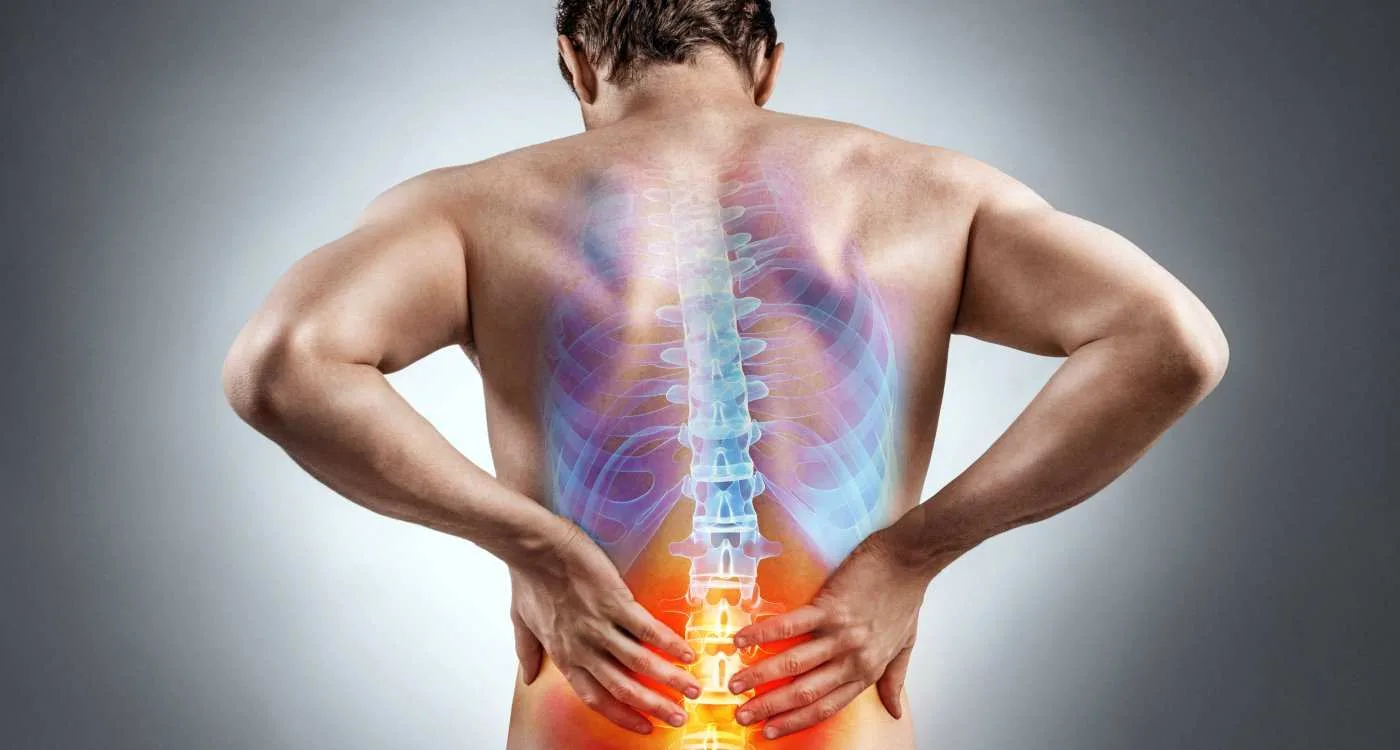
An unexpected throb shoots down your thigh. Your heel tingles when you step out of bed. Your hip stiffens after sitting at a desk, leaving you convinced that yesterday's gym session, a poorly cushioned office chair, or bad posture is to blame. Because human anatomy relies on an interconnected network of pathways, an irritated sciatic nerve rarely announces itself with straightforward lower back distress. Instead, it frequently projects discomfort downstream, mimicking common orthopedic ailments and leaving individuals guessing at the real culprit.
1. A Suspected Hamstring Pull That Defies Rest
A persistent ache along the rear of the thigh is almost universally dismissed as a pulled hamstring or tight tendon. The sensation closely mirrors standard exercise-induced muscle strains, flaring during forward bends, fast walks, or lunges. However, while a genuine muscular strain remains isolated to the muscle fibers, nerve-rooted discomfort travels down a distinct neural tract and does not respond to conventional muscle-recovery routines. Treating it with aggressive stretching can inadvertently aggravate an already inflamed nerve pathway.
2. Pins and Needles Mistaken for Sluggish Blood Flow
That prickling, prickly sensation in the lower calf or foot is easy to dismiss as a limb that simply "fell asleep" due to poor circulation or an awkward seated angle. While temporary circulatory numbness resolves within minutes of shifting positions, recurrent paresthesia stems from continuous neural compression. When tingling turns into an ongoing daily distraction, seeking early sciatica treatment helps decompress the nerve bundle before minor sensory disturbances transform into chronic neurological distress.
3. Deep Hip and Buttock Discomfort
When pain manifests deep within the gluteal region or around the outer hip joint, most people assume hip impingement, joint wear, or bursitis is developing. In reality, the body often maps pain deceptively. As nerve roots in the lumbar region become compressed, the pain projects directly into the pelvic girdle. Patients often spend weeks focused on joint mobility exercises before clinical imaging reveals that the actual trigger resides several inches higher in the spinal column.
4. Phantom Knee Irritation
Knee joints routinely shoulder mechanical blame, yet neural irritation can project pain right along the lateral or posterior edge of the knee joint. In the absence of an acute twist, slip, or noticeable lumbar stiffness, patients understandably pursue braces, knee injections, or meniscus treatments. Concentrating therapeutic efforts entirely on the knee leaves the root spinal impingement unaddressed, allowing the underlying compression to persist unchecked.
5. Unpredictable Foot Numbness
Waking up with reduced sensation across your arch, outer foot edge, or toes feels perplexing. Many quickly blame restrictive shoes or prolonged standing on concrete floors. Because sciatica affects the sensory signals to the lower extremities, it can cause transient or fluctuating numbness that appears one morning, fades by lunch, and returns unpredictably. This waxing-and-waning pattern often leads people to overlook it rather than recognize it as a hallmark of nerve compression.
6. Sudden Leg Heaviness Blamed on Overwork
Attributing sluggish legs to a grueling work week, poor sleep, or aging feels intuitive. Yet motor fibers within the sciatic nerve control fundamental leg and foot muscle groups. When motor signaling degrades, the leg can feel unusually clumsy, heavy, or weak during routine tasks like ascending stairs or rising out of a deep chair. What feels like muscle exhaustion is often a mechanical breakdown in signal transmission between the spine and the lower limbs.
7. Quiet Lower Back Stiffness Overlooked Amidst Leg Pain
Counterintuitively, the primary site of irritation often causes the least conscious discomfort. A faint, background stiffness in the lumbar area can easily be overshadowed by an intense burning or aching sensation farther down the calf or foot. However, resolving radiating symptoms requires identifying where the nerve root is pinched. Lasting relief comes from targeting the lumbar root cause through comprehensive sciatica treatment, rather than treating each wandering symptom as an isolated injury.