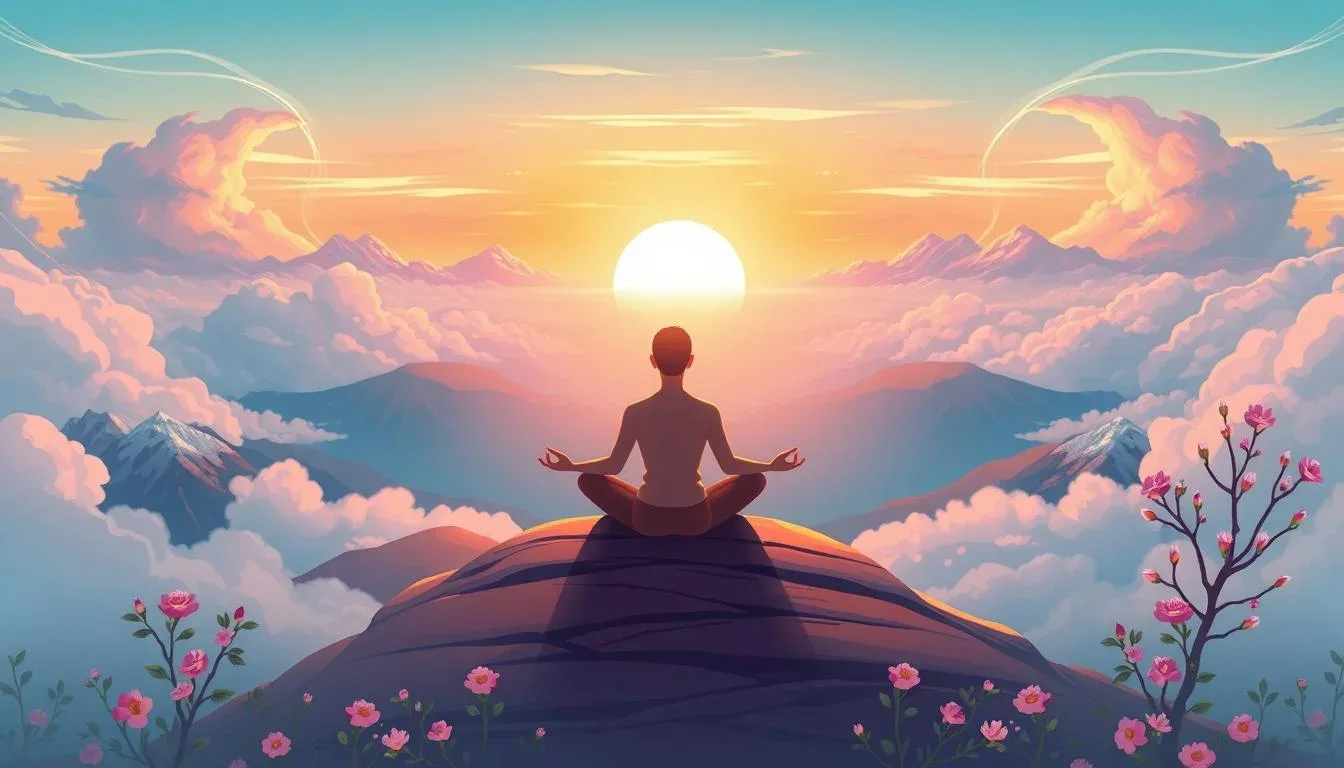
In today's fast-paced world, many people are searching for deeper meaning, inner peace, and personal transformation. Spirituality has become more than just a belief system—it is now a practical approach to improving mental, emotional, and even physical well-being.
However, with countless spiritual trends and teachings available online, it can be difficult to separate genuine practices from empty promises. The good news is that many spiritual traditions have stood the test of time and continue to help people develop greater self-awareness, resilience, and purpose.
This guide explores real spiritual practices that actually work and explains how they can support personal growth and a more balanced life.
What Are Spiritual Practices?
Spiritual practices are activities that help individuals connect with themselves, others, nature, or a higher purpose. Unlike quick fixes, these practices require consistency and self-reflection.
The goal is not to escape reality but to develop a deeper understanding of life, emotions, and personal experiences.
Many cultures around the world have used spiritual practices for centuries to promote healing, wisdom, and inner harmony.
Why Spiritual Practices Matter
Spiritual practices can provide benefits such as:
- Improved emotional well-being
- Reduced stress and anxiety
- Better self-awareness
- Stronger sense of purpose
- Enhanced resilience during difficult times
- Greater compassion and empathy
Research has also shown that practices such as meditation and mindfulness can positively affect mental health and overall quality of life.
Meditation: One of the Most Effective Spiritual Practices
What Is Meditation?
Meditation involves focusing attention and becoming more aware of thoughts, emotions, and sensations without judgment.
This simple practice has been used for thousands of years in various spiritual traditions.
Why It Works
Regular meditation can help:
- Reduce mental clutter
- Improve concentration
- Lower stress levels
- Increase emotional stability
Even spending ten minutes each day in quiet reflection can create noticeable improvements over time.
How to Start
Find a quiet place, sit comfortably, and focus on your breathing. When thoughts arise, gently return your attention to your breath.
Consistency is more important than duration.
Mindfulness in Everyday Life
Mindfulness is the practice of being fully present in the current moment.
Unlike meditation, mindfulness can be practiced throughout the day.
Examples of Mindfulness
- Paying attention while eating
- Listening carefully during conversations
- Walking without distractions
- Observing thoughts without reacting immediately
People who practice mindfulness often report feeling calmer and more focused.
The Power of Gratitude
Gratitude is one of the simplest spiritual practices available.
Why Gratitude Works
When people focus on what they appreciate rather than what they lack, their perspective often changes significantly.
Benefits may include:
- Improved mood
- Stronger relationships
- Greater life satisfaction
- Reduced negative thinking
Gratitude Exercise
Each evening, write down three things you are grateful for. Over time, this habit can help train the mind to recognize positive experiences more easily.
Connecting with Nature
Many spiritual traditions emphasize the importance of connecting with the natural world.
Nature encourages reflection and provides a break from constant digital stimulation.
Spiritual Benefits of Nature
- Mental clarity
- Reduced stress
- Increased appreciation for life
- Stronger sense of connection
Simple activities such as walking in a park, sitting near water, or observing a sunrise can become meaningful spiritual experiences.
Journaling for Self-Discovery
Writing down thoughts and experiences can be a powerful tool for spiritual growth.
How Journaling Helps
Journaling allows individuals to:
- Process emotions
- Identify recurring patterns
- Clarify goals
- Reflect on personal development
Questions such as "What did I learn today?" or "What challenges helped me grow?" can encourage deeper reflection.
Energy Cleansing Practices
Many spiritual traditions believe that emotional stress and negativity can affect personal energy.
While interpretations vary, practices designed to promote a sense of renewal are common across cultures.
Common Energy Cleansing Methods
- Deep breathing exercises
- Prayer and reflection
- Spending time in nature
- Decluttering living spaces
- Mindful relaxation
The purpose is often to create an environment that supports peace and clarity.
Spiritual Study and Continuous Learning
Learning is a fundamental part of spiritual growth.
Reading spiritual literature, studying philosophy, and exploring different traditions can broaden perspectives and deepen understanding.
Some individuals also explore traditional practices such as prayer, rituals, or studying various forms of Magic Spells as part of their spiritual journey. Approaching these topics with curiosity and critical thinking can help individuals discover what resonates with their personal beliefs.
Developing Compassion and Kindness
One of the strongest indicators of genuine spiritual growth is how a person treats others.
Compassion involves understanding the struggles of others and responding with empathy.
Practical Ways to Practice Compassion
- Listen without judgment
- Offer support when possible
- Practice patience
- Forgive mistakes
Acts of kindness often benefit both the giver and the receiver.
The Role of Spiritual Rituals
Rituals provide structure and intention.
They can help individuals mark important moments, focus attention, and reinforce positive habits.
Examples of Spiritual Rituals
- Morning reflection
- Evening gratitude practice
- Weekly meditation sessions
- Setting personal intentions
Throughout history, people have also explored various traditions and ceremonial practices, including collections of rituals often found in a List of Spells and other spiritual teachings. The effectiveness of any practice depends largely on personal meaning, consistency, and intention.
Building a Consistent Spiritual Routine
Many people begin spiritual practices enthusiastically but struggle to maintain them.
Tips for Consistency
Start SmallBegin with five to ten minutes daily.
Focus on One PracticeMaster one habit before adding more.
Create a Dedicated SpaceA quiet environment can support regular practice.
Track ProgressKeeping notes can help maintain motivation.
Remember that spiritual growth is a long-term process rather than a quick achievement.
Understanding Personal Transformation
Spiritual growth often involves gradual change rather than dramatic experiences.
Signs of progress may include:
- Greater emotional balance
- Improved decision-making
- Increased patience
- Stronger self-awareness
- More meaningful relationships
Transformation usually occurs through small, consistent actions repeated over time.
Exploring Different Spiritual Paths
No single spiritual practice works for everyone.
Different individuals may connect with:
- Meditation
- Prayer
- Mindfulness
- Energy work
- Nature-based spirituality
- Traditional rituals
Some people also study historical traditions involving Real Magic Spells and ceremonial practices as part of broader spiritual exploration. The key is to approach any practice thoughtfully and determine whether it supports personal growth and well-being.
Common Mistakes to Avoid
Expecting Instant Results
Spiritual development requires patience and consistency.
Following Every Trend
Not every popular practice is suitable for everyone.
Ignoring Practical Life Responsibilities
Healthy spirituality should complement daily life rather than replace it.
Comparing Yourself to Others
Each person's journey is unique.
Frequently Asked Questions
What is the most effective spiritual practice?
Meditation is often considered one of the most effective spiritual practices because it improves self-awareness, focus, and emotional balance.
How long does spiritual growth take?
Spiritual growth is an ongoing process. Some benefits may appear within weeks, while deeper transformation can take years.
Can spiritual practices improve mental well-being?
Many practices such as meditation, mindfulness, gratitude, and journaling have been associated with improved emotional well-being and reduced stress.
Do spiritual practices require a specific religion?
No. Many spiritual practices can be adapted to different beliefs, cultures, and personal values.
How often should I practice spirituality?
Consistency matters more than duration. Even a few minutes daily can be beneficial when practiced regularly.
Conclusion
Real spiritual practices that actually work are often simple, consistent, and deeply personal. Meditation, mindfulness, gratitude, journaling, nature connection, and compassionate living have helped people across cultures develop greater self-awareness and inner peace.
Rather than seeking quick solutions, focus on building sustainable habits that support long-term personal growth. Spiritual development is a journey of learning, reflection, and gradual transformation. By exploring meaningful practices and applying them consistently, individuals can cultivate a stronger sense of purpose, balance, and fulfillment in everyday life.