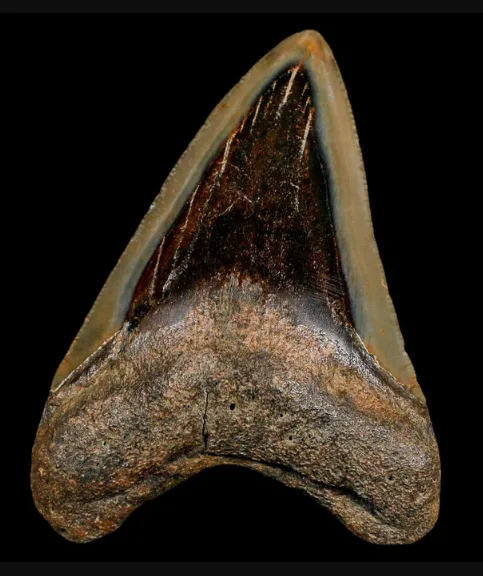
Few prehistoric collectibles capture the imagination quite like a Megalodon tooth. These enormous fossilized teeth offer a direct connection to one of the largest predators ever to inhabit Earth's oceans, making them highly sought after by collectors and educators alike. While browsing listings for a real megalodon tooth for sale, many buyers focus on size, color, or overall appearance. However, one overlooked factor can reveal valuable clues about authenticity and preservation: weight. Although weight alone cannot prove a fossil is genuine, it is an important piece of the puzzle when combined with careful examination and reliable documentation.
Why Does Weight Matter?
When a megalodon tooth fossilizes, the original organic material is gradually replaced by minerals over millions of years. This natural process often changes the tooth's density, making authentic specimens noticeably different from modern shark teeth or lightweight replicas.
Collectors and fossil experts pay attention to weight because it may indicate:
- The degree of mineral replacement during fossilization
- Whether the specimen has been heavily restored
- The presence of internal fractures or missing material
- Overall preservation quality
- How complete are the fossil remains
A surprisingly light specimen may deserve closer inspection, while an unusually heavy one may simply reflect the type of minerals that replaced the original tooth. Rather than providing a definitive answer, weight serves as one useful indicator alongside several others.
Looking Beyond the Scale
Although weight provides helpful information, experienced collectors never rely on it alone. A genuine Megalodon tooth should be evaluated using multiple characteristics that, when combined, build confidence in its authenticity.
Important features include:
- Clearly preserved enamel and root structure
- Natural surface texture without artificial moulding
- Consistent coloration is expected from the fossil locality
- Visible feeding wear or natural weathering
- Reliable documentation describing the origin and preparation
Even two authentic teeth of similar dimensions may weigh differently because fossilization conditions vary from one geological formation to another. Minerals such as phosphate, silica, and iron compounds can all influence the final density of a specimen.
Buyers exploring megalodon teeth for sale often discover that reputable dealers provide detailed descriptions explaining preservation quality, restoration work, and locality information rather than relying solely on impressive measurements.
Can Weight Reveal Restoration?
Professional fossil preparation is common and, when properly disclosed, helps preserve fragile specimens without reducing their educational value. Minor repairs or stabilization are often necessary after excavation, especially for fossils that have spent millions of years buried underground.
However, excessive restoration may affect both appearance and weight.
Collectors should pay attention to:
- Large areas of filler replacing missing material
- Artificial coatings that create an unnatural shine
- Visible color differences between repaired sections
Uneven texture around reconstructed areas
Reputable fossil dealers openly disclose any restorations, allowing buyers to understand exactly what they are purchasing. Transparency builds trust and helps collectors make informed decisions instead of relying on appearance alone.
The best approach combines weight assessment with careful visual examination, provenance records, and expert descriptions. Together, these factors create a far more accurate picture of a fossil's authenticity than any single test could provide.
Collecting with Confidence
Whether purchasing a first Megalodon tooth or adding to an established collection, thoughtful research is always worthwhile. Authentic fossils carry scientific, educational, and historical value that extends well beyond their visual appeal.
Experienced collectors often prioritize specimens that offer:
- Documented geological provenance
- Honest restoration disclosures
- Strong structural preservation
- Accurate scientific identification
- Ethical and legal sourcing
Building knowledge gradually makes every purchase more rewarding. Over time, collectors become better at recognizing natural preservation, understanding fossilization processes, and identifying trusted sources that consistently provide genuine specimens.
Conclusion
The weight test is a valuable tool, but it works best as part of a broader evaluation rather than a standalone measure of authenticity. By considering weight alongside preservation, provenance, restoration history, and overall condition, collectors can approach every purchase with greater confidence. Through carefully sourced specimens, detailed documentation, and a commitment to authenticity, Fossil Age Minerals helps enthusiasts explore prehistoric treasures while making informed collecting decisions.
As collections continue to grow, many enthusiasts eventually branch into other remarkable discoveries, with a triceratops skull for sale representing another extraordinary opportunity to appreciate the diversity of life that once ruled our planet.