Nestled in the royal state of Rajasthan, Ranthambore National Park is a mesmerizing blend of wildlife, history, and nature’s raw beauty. Known for its majestic Bengal tigers, ancient ruins, and scenic landscapes, this park draws travelers, photographers, and wildlife enthusiasts from all corners of the globe. For those looking to explore the heart of India’s wilderness while enjoying comfort and serenity, the best hotel in ranthambore offers the perfect base to experience this incredible destination.
The Legacy and Landscape of Ranthambore
Spread across more than 1,300 square kilometers, Ranthambore National Park sits between the Aravalli and Vindhya hill ranges, creating a natural fortress of rugged terrain, dense forests, and picturesque lakes. Once the royal hunting ground of the Maharajas of Jaipur, the park is now one of India’s most renowned wildlife sanctuaries. The park’s captivating topography—marked by rocky outcrops, open meadows, and tranquil water bodies—makes it a photographer’s dream.
Ranthambore is not only about spotting tigers; it is about immersing oneself in the soul of India’s wild heritage. The park is home to leopards, sloth bears, sambars, crocodiles, and over 300 bird species. Every trail tells a story, from ancient hunting tales to the ongoing conservation efforts that preserve this thriving ecosystem.
The Thrill of Tiger Safaris
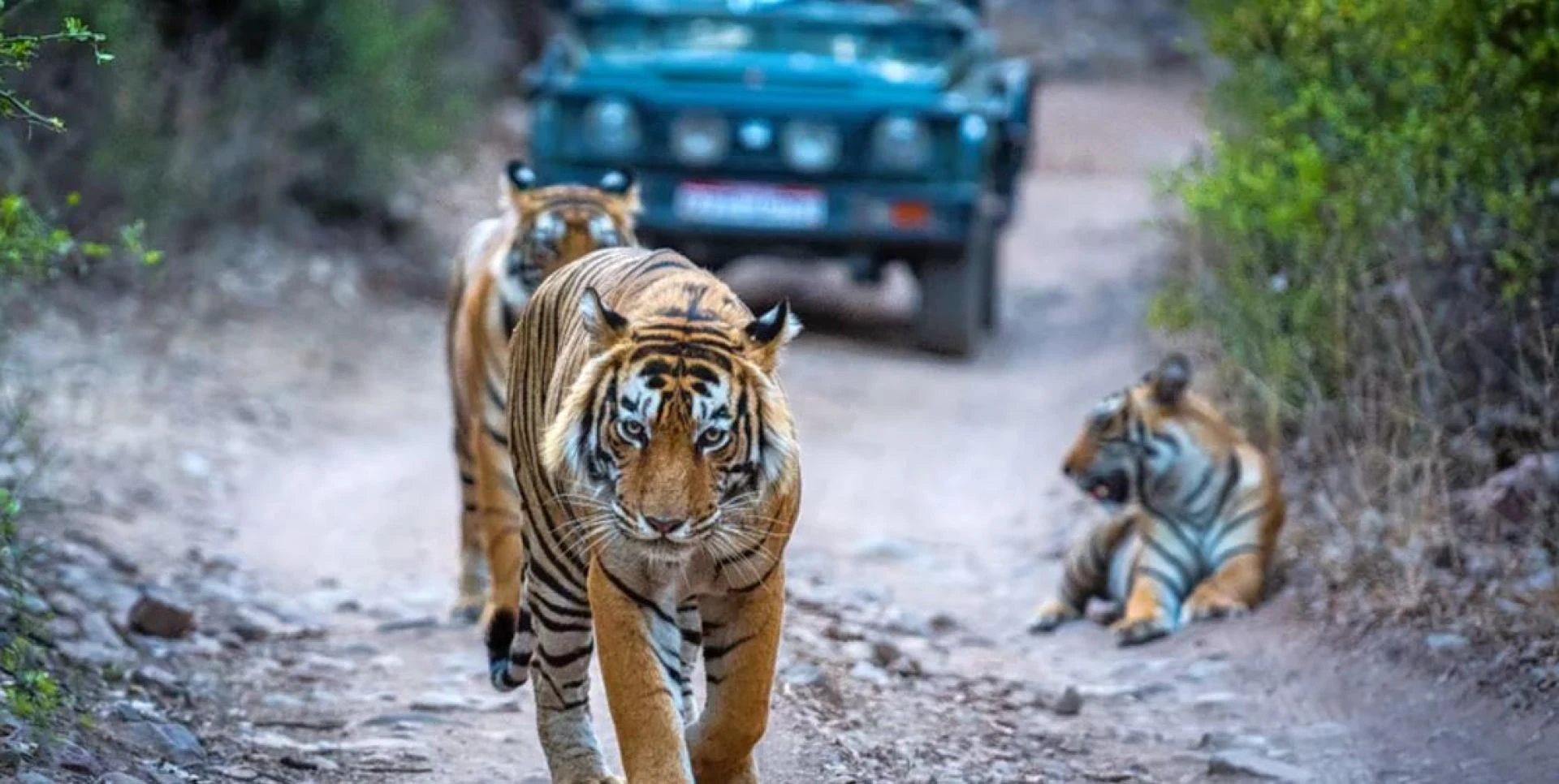
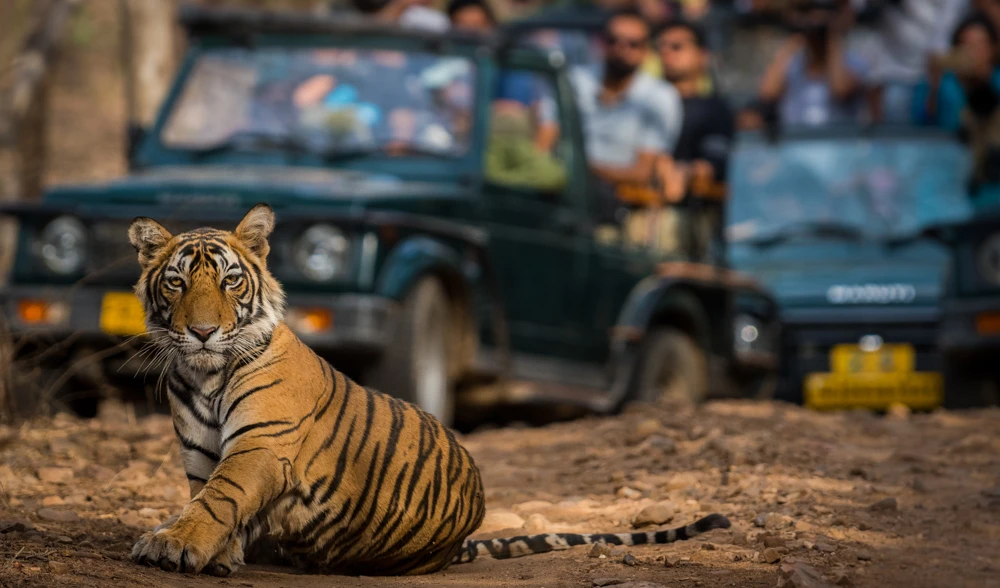
A visit to Ranthambore is incomplete without experiencing the thrill of a tiger safari. The park’s population of Bengal tigers is one of the most stable in India, offering one of the highest chances to see these magnificent cats in their natural habitat. The safaris—conducted in open jeeps or canters—are led by expert naturalists who provide fascinating insights into the behavior and ecology of the animals.
Morning safaris are ideal for catching sight of wildlife against the soft glow of sunrise, while evening safaris reveal the park’s tranquil side as nocturnal animals begin to stir. The experience is both exhilarating and humbling, as you witness nature’s raw power and beauty unfold before your eyes.
A Glimpse into History: Ranthambore Fort
Standing tall amidst the dense forest, the Ranthambore Fort is a UNESCO World Heritage Site that adds a regal touch to the wild surroundings. Built in the 10th century, this historic fort offers panoramic views of the national park and houses ancient temples, step wells, and crumbling palaces. Exploring the fort allows visitors to step back in time and understand how Ranthambore evolved from a royal hunting domain to a protected wildlife reserve.
The fort’s strategic location once made it an important defense post for Rajput kings. Today, it provides a unique perspective where history and wilderness converge—offering an experience that few other parks in the world can match.
Flora and Fauna Diversity
Ranthambore’s rich biodiversity makes it one of India’s most vibrant ecosystems. The dry deciduous forest, dominated by Dhok trees, provides the perfect cover for tigers and leopards. The lush vegetation around the lakes attracts herbivores like deer, blue bulls, and langurs, which in turn draw predators closer.
Bird lovers will find Ranthambore a paradise, especially during winter when migratory species arrive. From painted storks and kingfishers to Indian hornbills and eagles, the park offers endless opportunities for avian photography and observation.
Cultural Essence and Local Experience
Beyond the wilderness, the local culture of Ranthambore’s surrounding villages adds depth to the visitor experience. The region’s artisans are known for their handicrafts, miniature paintings, and traditional Rajasthani textiles. Engaging with the local communities helps travelers appreciate the balance between nature conservation and sustainable livelihoods.
Many eco-friendly resorts collaborate with local initiatives to support wildlife protection and empower villagers through employment and education. This harmonious coexistence between humans and nature forms the essence of Ranthambore’s charm.
Eco-Luxury and Responsible Tourism
In recent years, Ranthambore has emerged as a preferred destination for responsible travelers who seek both comfort and sustainability. The Luxury Resort in Ranthambore offers an exquisite blend of eco-conscious architecture, refined hospitality, and immersive jungle experiences. From organic dining and spa treatments to guided safaris and stargazing nights, these resorts redefine wildlife tourism by emphasizing conservation without compromising on comfort.
Every stay contributes to the preservation of the park and the welfare of the local community. This conscious approach to travel ensures that the beauty of Ranthambore remains intact for future generations to witness and cherish.
Captivating Stories of the Wild
The park has witnessed countless tales of survival and dominance, especially among its famous tiger dynasties. The stories of Machhli—the legendary tigress known as the “Queen of Ranthambore”—continue to fascinate wildlife enthusiasts worldwide. Her legacy, and that of other iconic tigers, showcases the delicate balance of life in the wild and the efforts made to protect these apex predators.
For those eager to dive deeper into the park’s mysteries, Top 8 Interesting Facts About Ranthambore Wildlife Sanctuary provides fascinating insights into its history, wildlife, and conservation efforts. These facts not only enrich one’s understanding but also enhance the sense of wonder that this sanctuary inspires.
Planning Your Visit
The best time to visit Ranthambore is from October to June, with each season offering a unique experience. While the cooler months from November to February are perfect for sightseeing and safaris, the summer months provide the best chances for tiger sightings as animals gather near water sources. Booking safaris in advance and choosing accommodations that align with eco-tourism principles ensure a memorable and responsible adventure.
Whether you are a wildlife photographer, a nature lover, or simply a traveler seeking peace away from urban chaos, Ranthambore National Park promises an unforgettable encounter with India’s wild heart.