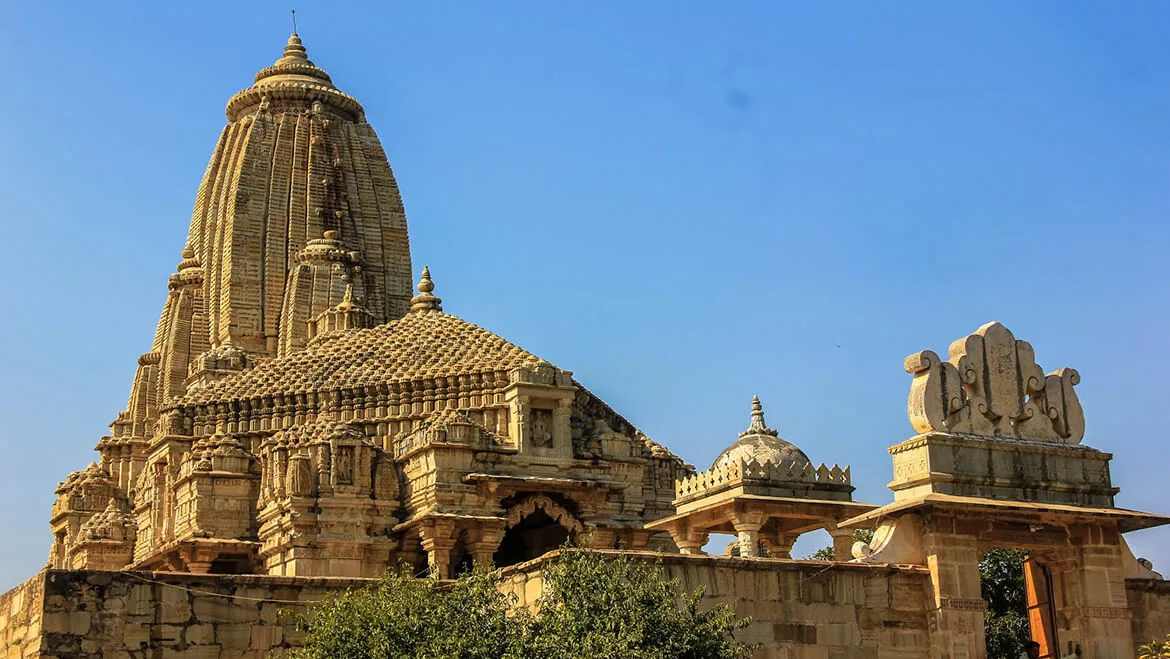
Rajasthan is internationally celebrated for royal palaces and formidable desert forts, yet its spiritual landscape holds equal grandeur. Across the arid plains, serene hillocks, and historic towns stand sanctuaries that have anchored devotion, artistic mastery, and sacred traditions for centuries. For travelers embarking on a holy exploration, embarking on a carefully curated Rajasthan temple tour reveals the soulful heart of Rajputana.
Brahma Temple, Pushkar
Pushkar hosts one of the very few dedicated temples to Lord Brahma anywhere in the world. Nestled by the sacred Pushkar Lake, the 14th-century structure stands out with its red spire, distinctive swan motif, and marble pillared halls. Devotees gather at the holy ghats before ascending the stone steps to offer prayers to the four-faced idol. Visiting during the annual Kartik Purnima fair allows pilgrims to witness centuries-old rituals alongside thousands of lamps illuminating the water.
Dilwara Jain Temples, Mount Abu
Situated amidst the lush forested hills of Mount Abu, the Dilwara Temples represent an extraordinary peak of marble stone carving. Built between the 11th and 13th centuries by Chalukyan ministers, these five intricately designed marble shrines honor Jain Tirthankaras. The doorways, ceiling domes, and pillared pavilions display stone carved with delicate, lacelike translucence. The Vimal Vasahi and Luna Vasahi complexes remain exceptional showcases of ancient Indian artisanal mastery.
Eklingji and Shrinathji, Mewar
The Mewar region preserves profound Shaivite and Vaishnavite heritage. Located near Udaipur, the Eklingji complex has served as the patron deity shrine of Mewar rulers since the 8th century, housing a four-faced black marble Shiva lingam. A short distance away in Nathdwara stands the renowned Shrinathji Temple. Followers of the Pushtimarg sect arrive from across the globe to catch glimpse of the seven-year-old manifestation of Lord Krishna during daily rhythmic darshans and aarti ceremonies.
Khatu Shyam Ji and Salasar Balaji
In the Shekhawati region, pilgrims frequently travel the twin pilgrimage circuit of Khatu Shyam Ji and Salasar Balaji. Khatu Shyam Ji in Sikar venerates Barbarika, grandson of Bhima, praised in local legend for immense sacrifice during the Mahabharata war. Devotees visit seeking fulfillment of heartfelt vows. Just an hour away in Churu district, the Salasar Balaji shrine honors Lord Hanuman in a rare bearded form. Pilgrims often cover vast distances on foot during auspicious festival times.
Karni Mata Temple, Deshnoke
Located near Bikaner, the Karni Mata Temple is one of the most distinctive pilgrimage destinations in India. Dedicated to an incarnation of Goddess Durga, the marble shrine provides sanctuary to over twenty-five thousand black rats, reverently referred to as kabbas. These creatures move freely across the silver-paneled gates, courtyards, and sanctum. Spotting a rare white kabba among the holy gathering is regarded as a sign of supreme fortune and divine grace.
Practical Advice for Pilgrims and Sightseers
Planning a religious journey across Rajasthan requires consideration of weather, transit options, and local customs:
- Modest clothing covering shoulders and knees is mandatory across all traditional sanctuaries.
- Leather items such as belts, wallets, and bags must be deposited outside inner sanctums.
- Winter months from October to March offer the most pleasant weather for extended temple walking.
- Early morning hours provide cooler temperatures and shorter queues during daily aarti rituals.
Travelers planning an affordable itinerary across these destinations often select a structured Rajasthan budget tour to manage transportation and comfortable stays seamlessly. Relying on an experienced tour operator in Rajasthan ensures well-coordinated darshan timings, skilled regional drivers, and authentic cultural context at every spiritual site. Through ancient prayers, sacred architectural heritage, and living traditions, Rajasthan offers every seeker an unforgettable pilgrimage.