
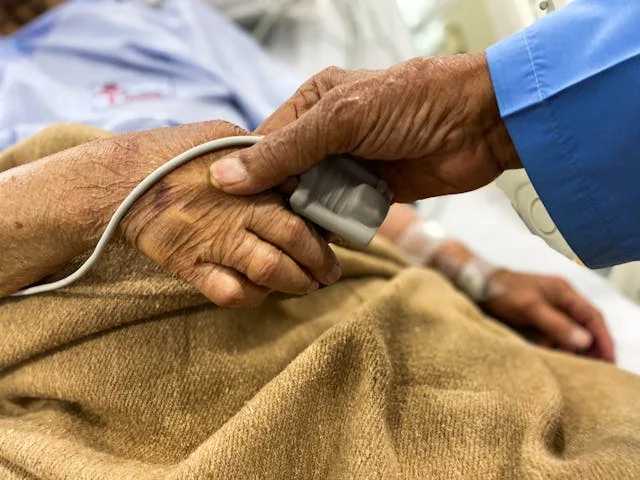
Leaving the hospital can bring a sense of relief, but returning home does not always mean that everything immediately goes back to normal. After an illness, procedure, injury, or extended hospital stay, everyday activities may require more time and effort. Getting dressed, preparing meals, moving around the house, keeping up with household responsibilities, and remembering appointments can all feel different during the first days or weeks at home.
Post-hospital support Folsom CA can help bridge that gap by providing practical assistance while an older adult readjusts to life at home. The purpose is not to replace medical treatment. Instead, in-home support can complement instructions from healthcare professionals by helping with everyday routines and creating a more manageable home environment during the transition.
The First Days at Home Can Be the Most Challenging
The period immediately following discharge often involves a major change in routine. A person who was receiving regular assistance in a hospital may suddenly be expected to manage many activities at home with fewer people available to help.
Even familiar tasks can become difficult when energy, strength, balance, or confidence has temporarily changed. A senior may need additional help preparing meals, moving safely between rooms, getting dressed, or keeping up with basic household tasks.
Having appropriate support during this period can reduce the pressure of trying to handle everything independently before the person is ready.
Assistance With Everyday Personal Care
Some older adults need temporary help with personal routines after returning home. Depending on the individual's care plan and the caregiver's responsibilities, this can include assistance with dressing, grooming, bathing routines, toileting, and other everyday activities.
The emphasis should remain on encouraging independence whenever it is safe and appropriate. A caregiver does not necessarily need to take over a task simply because the senior is recovering. In many cases, providing assistance with the more difficult parts of a routine allows the person to continue doing what they can independently.
As strength and confidence return, the level of assistance can be adjusted accordingly.
Help With Meals and Hydration
Preparing food can become surprisingly demanding after a hospital stay. Standing for extended periods, lifting cookware, shopping for groceries, or simply finding the energy to prepare a balanced meal may be challenging.
In-home support can make mealtimes easier by helping with grocery-related tasks, simple meal preparation, serving food, and keeping the kitchen organized. Encouraging regular meals and adequate fluid intake can also help maintain a consistent daily routine.
Any dietary restrictions or nutrition instructions provided by healthcare professionals should remain the priority. Caregivers can support those instructions without attempting to provide medical dietary advice outside their role.
Keeping Up With Medication and Appointments
After discharge, an older adult may have several instructions to remember. There may be medication schedules, follow-up appointments, therapy sessions, activity restrictions, or other directions from healthcare providers.
A caregiver can provide reminders and help the senior stay organized around these responsibilities when those tasks are part of the agreed care plan. Appointment reminders can be particularly useful when a person is tired, overwhelmed, or adjusting to a new routine.
Caregivers should not independently change medication dosages, discontinue prescriptions, or make medical decisions. Questions about treatment should be directed to the appropriate healthcare professional.
Making the Home Routine More Manageable
Recovery can be easier when the home environment supports the person's current abilities. Everyday objects may need to be kept within comfortable reach, frequently used areas should remain organized, and unnecessary obstacles can be addressed.
A caregiver can also help with light household responsibilities that might otherwise require too much physical effort. Laundry, simple tidying, meal preparation, and other routine tasks can become difficult when an older adult is temporarily limited.
Reducing these responsibilities gives the individual more opportunity to focus on rest, rehabilitation, and gradually returning to normal activities.
Supporting Safe Mobility
Movement around the home can be one of the biggest concerns after hospitalization. A senior who normally walks independently may temporarily feel less steady or confident.
Support with everyday mobility should follow the person's care plan and any instructions provided by their healthcare team. A caregiver can provide appropriate assistance with routine movement and help keep frequently used areas organized.
Families should also pay attention to changes that may require professional attention. A caregiver is not a substitute for a nurse, physician, physical therapist, or emergency service. If a serious or unexpected medical concern develops, the appropriate healthcare provider should be contacted.
Giving Family Caregivers Some Relief
Post-hospital recovery can place significant demands on family members. Relatives may need to coordinate transportation, meals, household responsibilities, appointments, and personal care while continuing to manage work and other commitments.
In-home support can distribute some of these responsibilities. Instead of one family member attempting to remain available throughout the day, scheduled assistance can provide practical help during the periods when it is most needed.
This can also allow family visits to focus more on emotional support and spending meaningful time together rather than turning every visit into a checklist of household tasks.
Support During a Temporary Recovery Period
Not every post-hospital care arrangement needs to be permanent. Some seniors require additional assistance for only a limited period while recovering from an illness, procedure, or injury.
A temporary arrangement can provide support during the early stages of recovery and then be adjusted as independence improves. The schedule might begin with more frequent assistance and gradually change as the senior becomes comfortable managing more activities independently.
This flexibility can make in-home support appropriate even when the long-term goal is for the individual to return to a more independent routine.
Post-Hospital Support in Folsom
For families looking for post-hospital support Folsom CA, planning should begin with the person's actual needs rather than assuming that every hospital discharge requires the same type of assistance.
It can be helpful to identify which daily activities have become difficult, what instructions were provided at discharge, when family members are available, and which responsibilities require qualified medical professionals. From there, a practical schedule can be developed around the senior's routine.
The familiar home environment can be an important part of the transition. Being surrounded by personal belongings, familiar rooms, and established routines may make the adjustment feel more comfortable than immediately changing living arrangements.
Helping Seniors Regain Their Routine
The ultimate purpose of post-hospital support is to help an older adult navigate the transition home with appropriate assistance while maintaining as much independence as possible. Support can address the practical challenges of daily life without taking away the person's role in their own recovery.
With the right schedule, clear communication, and coordination with the senior's healthcare instructions, post-hospital support Folsom CA can make the period after discharge more manageable for both older adults and their families. As recovery progresses, support can be reviewed and adjusted so that the level of assistance continues to reflect what the individual actually needs at home.