A heritage wedding celebration in Jaipur can feel distinctive when its design is rooted in meaning rather than decoration alone. Colour, textiles, music, family heirlooms and regional craft can help tell a couple’s story while respecting the traditions of both families. At Lohagarh Fort Resort, couples can explore a range of indoor and outdoor wedding settings near Jaipur and plan functions with different atmospheres across the property.
Start with a story, not a colour chart
Before choosing a palette, consider what the wedding should communicate. It may reflect the couple’s shared interests, the places their families come from or a quality they want the celebration to carry: warmth, joy, calm or playful energy. A story gives the design a point of view. Without it, colours and decorative elements can become a collection of attractive but unrelated choices.
The story does not have to be elaborate. A couple might be drawn to a particular flower because it appears in a family garden, or choose a textile pattern that reminds them of a grandparent’s home. They can use these references as a starting point and adapt them for the welcome, ceremony or dining area. This creates a visual thread without requiring every function to repeat the same decoration.
Use colour to distinguish each part of the wedding
A multi-function wedding can use colour to guide guests through the celebration. The welcome might feel light and informal, the mehendi bright and playful, and the wedding ceremony more restrained. These shifts help each event feel distinct while allowing the complete celebration to remain connected through a repeated accent colour, material or motif.
When comparing a heritage wedding venue in Jaipur, couples should think about how colours will appear in the selected setting. Natural light, the venue’s existing surfaces and the time of day can all influence how a palette looks. A colour that appears subtle in a sample may feel more intense under evening lighting, while pale shades may need contrast to remain visible in photographs.
Ask the decorator to explain how the proposed palette will work across the ceremony backdrop, seating, flowers, signage and dining details. Request a small sample or visual reference where possible. The goal is not to match every element exactly. It is to make sure the major pieces support one another and leave the venue’s own character visible.
Bring craft into the celebration with intention
Craft can make a wedding feel connected to place, but it works best when it has a reason to be there. Couples might include handwoven fabrics, block-printed details, regional pottery or locally inspired patterns in selected elements. Instead of using every craft reference at once, choose one or two and give them enough space to be noticed.
A textile may become a welcome backdrop, a table runner or a detail in the couple’s attire. A familiar pattern can be adapted for invitations or menu cards. If the design uses a craft technique, ask the vendor about its origin and the people who make it. This helps the couple describe the choice accurately and avoid treating a living craft tradition as a generic visual theme.
Couples can also use family objects with care. A shawl, an old photograph, a piece of jewellery or a handwritten recipe might be displayed during a function or used as inspiration for a design detail. The object should be handled safely and returned to its owner after the event. Its significance comes from the story it carries, not from how many guests notice it.
Create ceremony details that feel personal
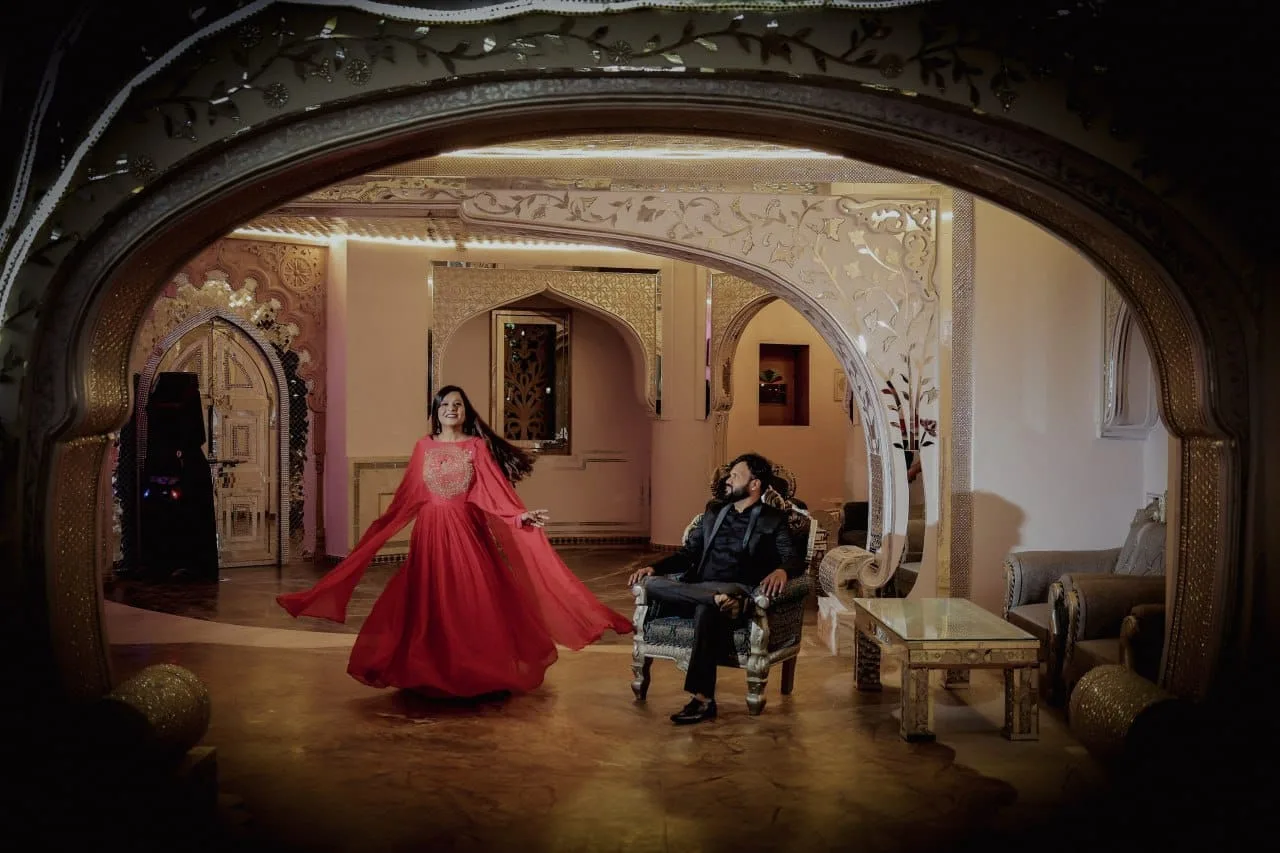
Wedding rituals already contain meaning. A thoughtful design can frame them without distracting guests from what is happening. For example, the ceremony area can use a restrained palette, comfortable seating and a clear view of the couple. Families may also want to include a short explanation of a ritual for guests who are unfamiliar with it, especially when traditions differ between the two sides.
If a couple plans traditional pheras, they should discuss the ceremony layout with the priest, family members and venue team in advance. Confirm the space required, the seating arrangement, the sequence of rituals and any items that need to be prepared. The venue’s setting can support the ceremony, but the couple should ensure that the arrangements suit the practical requirements of the ritual.
A Rajasthani wedding resort in Jaipur can offer a setting that connects with the region’s architectural and natural influences. Couples can decide how strongly they want those elements to appear in the wedding. Some may prefer a full heritage-inspired design, while others may choose a contemporary look with a few regional references. Both approaches can feel considered when the details are chosen deliberately.
Let the venue guide the design
Every venue has its own proportions, light and existing visual character. A lawn may give the decorator room to create a large ceremony layout, while an indoor venue may call for more focused arrangements. Rather than covering every surface, consider which areas need decoration because they will host a ceremony, a guest welcome or a shared meal.
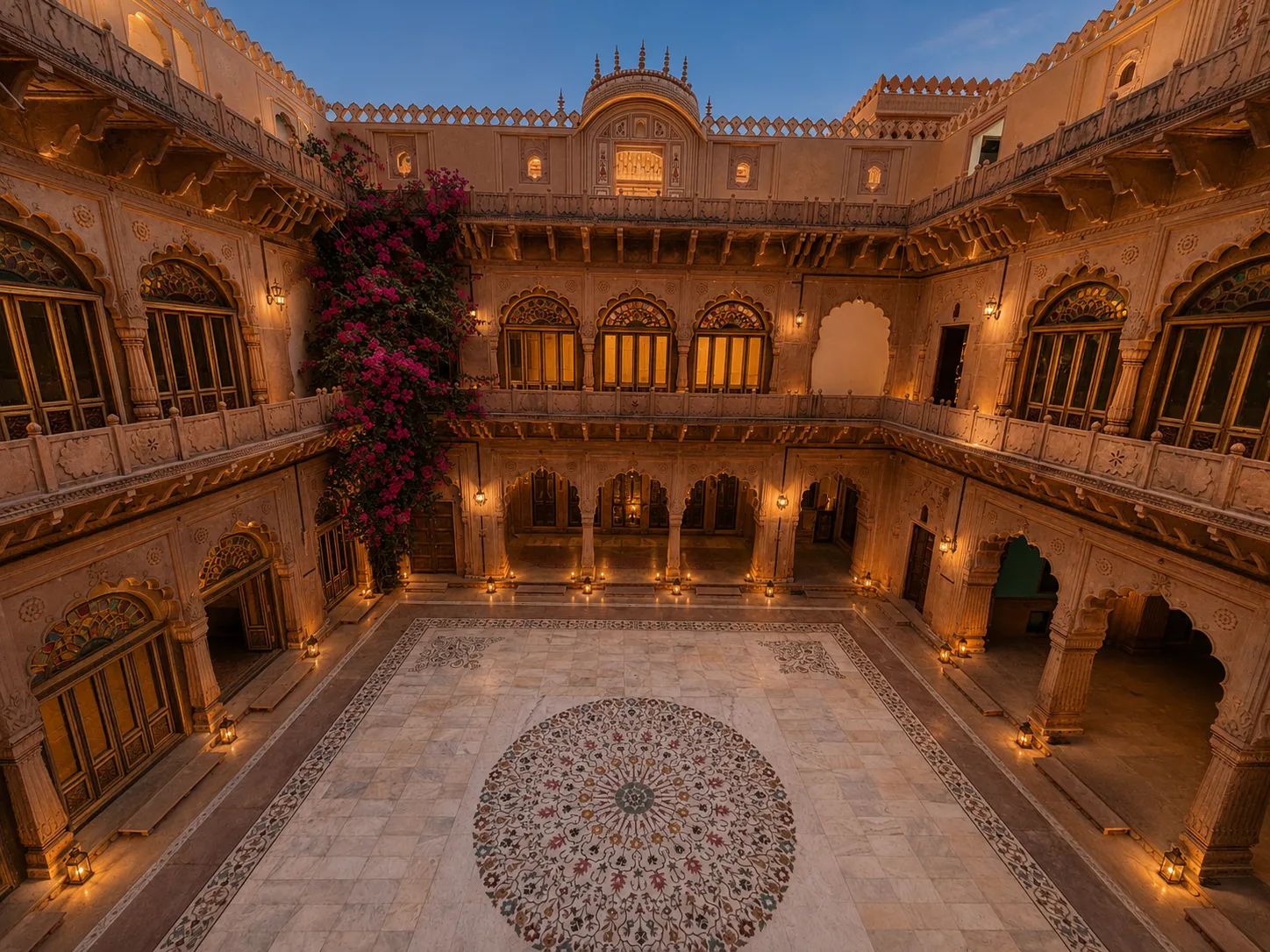
At Lohagarh Fort Resort, families can discuss different indoor and outdoor settings for different functions. The wedding page describes gardens, lawns and indoor venues, including Sheesh Mahal and the dedicated Jal Mandap setting for pheras. Couples should confirm which spaces are available for their dates and how each could support the intended layout before finalising the décor plan.
A fort-inspired setting may already provide a strong visual backdrop. The decor can work with those existing details instead of competing with them. Ask vendors to explain how their installations will be attached, how they will be removed and how guest movement will be maintained. These conversations are useful even when the decor is simple because they connect the design plan to the practical use of the space.
Make food part of the story
Food can carry family memories and regional identity in a way that feels welcoming to guests. Couples might select a few dishes associated with their families or include a regional favourite in one function’s menu. They can also consider how meals fit the day’s rhythm: a light meal before a ceremony, a shared dinner after a long event or refreshments during an outdoor gathering.
Discuss dietary requirements, children’s meals and the needs of older guests early. A menu should work for the people attending, not only look attractive in a presentation. Families can ask the catering team what can be accommodated, how service will work for the expected guest count and whether menu tastings are available. These details should be confirmed directly rather than assumed.
A menu card can offer a brief note about a dish’s family or regional connection. It should be concise and accurate. This gives interested guests a small point of conversation without turning dinner into a long programme. A carefully selected menu detail can often communicate more than a crowded table of decorative objects.
Use music and sound to support the mood
Music can distinguish the events while helping guests understand how the celebration is changing. A gentle welcome playlist, lively mehendi music and a more personal ceremony soundtrack each create a different atmosphere. Couples should make sure the music respects the mood of the ritual and the preferences of both families.
If live performers are being considered, discuss timing, sound levels, equipment needs and the venue’s arrangements with the event team. Keep the transition between performances and speeches clear, especially if older guests or young children will be present. Sound should help people feel involved, not make conversation difficult throughout the event.
Keep heritage personal rather than theatrical
A heritage-inspired wedding does not need to imitate a historical scene. The strongest details are often the ones that connect to the couple’s own families and choices. A meaningful textile, a regional welcome or a family ritual can feel more authentic than adding decorative elements simply because they look traditional.
Couples searching for a fort style wedding resort in Jaipur can use the setting as one part of the story, then build the celebration around their relationship. Ask what the venue includes, what vendors need to provide and which arrangements require advance approval. Keeping these responsibilities clear can protect the design and the schedule from last-minute uncertainty.
Let the finished wedding feel cohesive
A cohesive wedding is not one where every function looks the same. It is one where guests can sense a connection between the moments: a repeated colour, a family story, a familiar musical phrase or a shared way of welcoming people. Couples can review the complete plan with their decorator and event team to make sure the design, timing and guest experience support one another.
When heritage influences are selected with care, they become part of the celebration rather than a costume. They can help guests understand what matters to the couple, provide a strong visual identity for the wedding and make the destination feel connected to the place. The result can be elegant, contemporary and deeply personal at once.