Jaisalmer, famously known as the Golden City of India, rises dramatically from the heart of the Thar Desert. Characterized by its golden-yellow sandstone architecture, historic desert citadels, and rich folklore, it remains one of the most culturally immersive destinations in western Rajasthan. Crafting an efficient two-day travel itinerary ensures you encounter the living heritage of medieval palaces, intricate merchant mansions, and expansive shifting sand dunes.
Whether you are seeking historical insights or planning a comprehensive desert excursion, this curated 48-hour itinerary details the essential heritage spots, architectural marvels, and authentic cultural experiences to prioritize.
Day 1: Living Fort Architecture, Jain Temples, and Ornate Havelis
Morning: Exploring Jaisalmer Fort (Sonar Qila)
Begin your journey at the iconic Jaisalmer Fort, designated a UNESCO World Heritage site under the Hill Forts of Rajasthan. Built in 1156 AD by the Rajput ruler Rawal Jaisal, it is notable for being one of the few fully functioning living forts in the world. Approximately a quarter of the old city's population continues to reside within its massive bastions.
Entering through the four monumental gates—Ganesh Pol, Suraj Pol, Bhut Pol, and Hawa Pol—leads directly to Dussehra Chowk, the central courtyard surrounded by royal apartments. Inside the fort complex, prioritize visiting the Raj Mahal (Royal Palace) to observe Rajput-Mughal architectural influences, intricately carved jali latticework, and panoramic rooftop viewpoints overlooking the golden expanse of the city below.
Located within the fort perimeter is a cluster of seven historic Jain temples dating from the 12th to the 16th centuries. Dedicated to Tirthankaras like Parshvanatha and Sambhavanatha, these shrines feature exceptionally detailed marble and yellow sandstone carvings, sculpted pillars, and arched gateways that highlight medieval stone masonry.
Afternoon: The Historic Havelis of Jaisalmer
Descend into the old town alleys below the ramparts to examine the private residential mansions commissioned by wealthy 19th-century merchants and ministers.
- Patwon Ki Haveli: This is the largest and most ornate mansion complex in Jaisalmer, consisting of five individual wings constructed by a prosperous merchant family. The facade features delicate jharokhas (overhanging enclosed balconies), stone pillars, and miniature paintings that illustrate the prosperity of Silk Route traders.
- Salim Singh Ki Haveli: Commissioned by a powerful prime minister, this residence features a unique narrow base that expands into a multi-tiered upper level supported by carved stone peacocks, commonly known as Jahaz Mahal.
- Nathmal Ki Haveli: Built by two architect brothers, this structure features an asymmetrical exterior facade carved simultaneously from opposite sides, flanked by twin ornamental stone elephants at the entrance.
Evening: Sunset at Gadisar Lake
Conclude the first day at Gadisar Lake, an artificial water reservoir commissioned by Maharawal Gadsi Singh in the 14th century. Surrounded by chhatris (cenotaphs), ghats, and small pavilions, it serves as a peaceful vantage point during twilight. Passing under the ceremonial Tilon Ki Pol gateway offers reflections of carved arches against calm evening waters.
Day 2: Desert Outposts, Sand Dunes, and Desert Camp Culture
Morning: Heritage Stops at Lodurva, Bada Bagh, and Kuldhara
The second day shifts focus toward the desert landscapes and historical sites located outside the city core. Traveling with a verified, experienced tour operator in Rajasthan allows for seamless logistics across these historical desert routes.
- Bada Bagh: A tranquil complex featuring elevated royal cenotaphs commemorating the Bhatti dynasty rulers, set beside an oasis garden and ancient earthen dam.
- Lodurva: The ancient capital of the Bhatti Rajputs prior to the founding of Jaisalmer, home to an intricately restored Jain temple featuring an ornate torana archway and a copper kalpavriksha tree.
- Kuldhara Village: A well-preserved 13th-century abandoned settlement formerly inhabited by Paliwal Brahmins, featuring stone lanes, deserted mud-brick homes, and intriguing local folklore surrounding its sudden abandonment overnight.
Afternoon: Journey to the Thar Desert
Following lunch, proceed toward the deep sand dunes of the Thar Desert, situated near Sam or Khuri. This segment provides a complete introduction to rural desert ecosystems, expansive shifting sand ridges, and traditional desert transportation. For travelers seeking an organized expedition covering western Rajasthan's regional highlights, booking an authentic Rajasthan holidays tour ensures comfortable transfers, knowledgeable local heritage escorts, and desert base camp reservations.
Evening: Desert Safari and Cultural Performances
Arrive at the desert base in time to experience a camel trek or a 4x4 open-jeep dune bashing ride along the ridges. As the sun sets over the horizon, the shifting golden sands provide ideal conditions for desert photography and landscape observation.
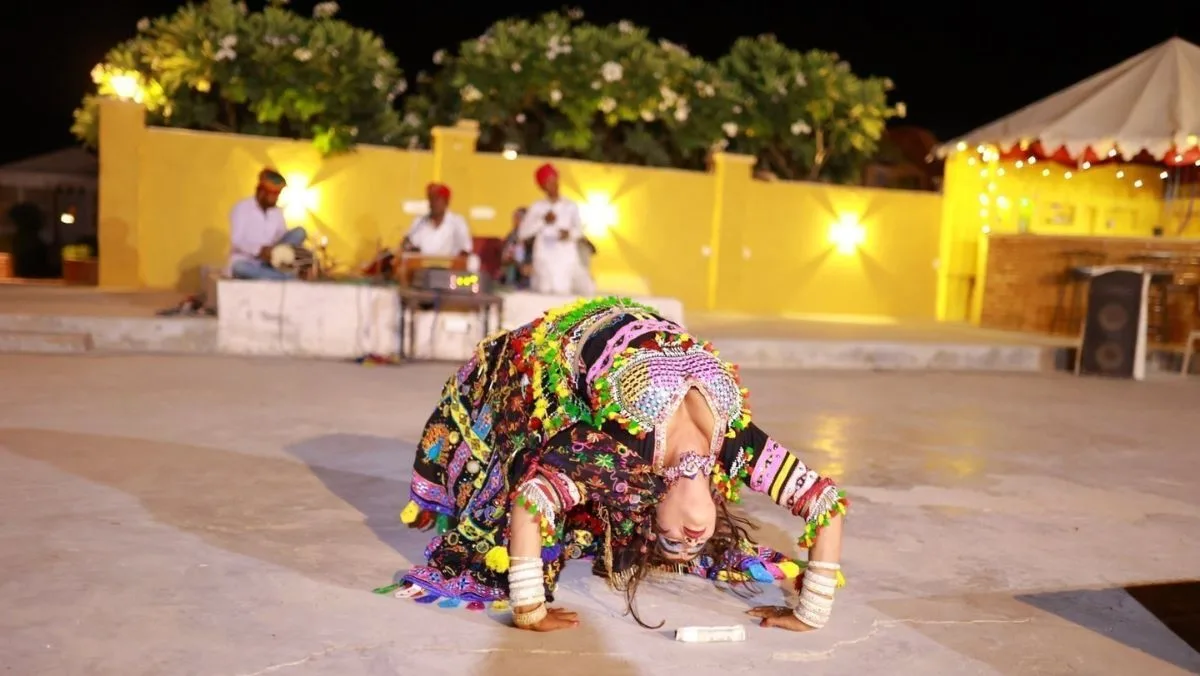
Complete your trip with a traditional campsite evening. Desert desert camp experiences typically host local folk performances by traditional Langa and Manganiyar musicians, accompanied by Kalbelia folk dancers around a central bonfire, followed by an authentic Rajasthani dinner featuring Dal Baati Churma and Ker Sangri. Opting for a specialized Rajasthan desert adventure tour provides an immersive overnight stay in luxury Swiss tents beneath open desert night skies.
Practical Travel Tips for a Jaisalmer Visit
- Ideal Visiting Window: The optimal months to visit Jaisalmer are from October to March, when daytime temperatures remain temperate and suitable for walking tours and desert expeditions.
- Footwear and Dress: Walking the cobblestone lanes of the living fort and exploring sandy dunes requires comfortable, durable walking shoes along with sun protection such as hats and scarves.
- Local Etiquette: Jaisalmer Fort remains a residential area; respectful etiquette toward local inhabitants, heritage artisans, and temple premises is expected throughout your tour.