
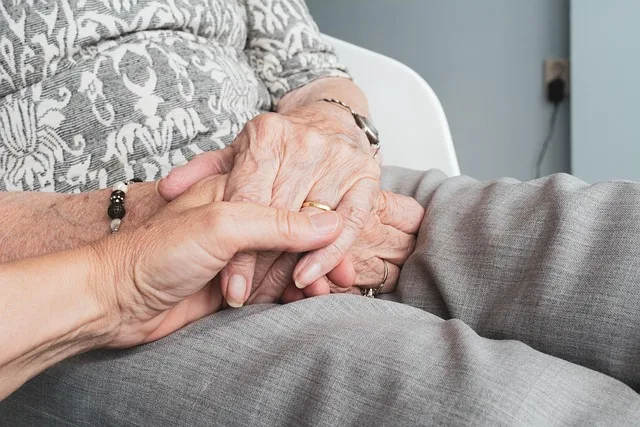
There is a point when everyday activities can begin taking more effort than they once did. Getting dressed, preparing breakfast, taking a shower, or moving safely around the house may become difficult because of reduced strength, mobility challenges, illness, or the natural effects of aging. For many families, the question is not whether a loved one needs help, but how to provide that help without taking away the independence they value.
Personal care in Des Moines, IA offers a way to provide practical assistance within the familiar surroundings of home. Rather than asking an older adult to immediately change their living situation, families can arrange support around the routines and activities that have become challenging.
The amount of help can vary significantly. One person may need assistance with bathing a few mornings each week, while another may require support with several activities throughout the day. A personalized approach allows care to change as the person's needs change.
Personal Care Is About More Than Completing Tasks
Personal care often involves activities that people have performed independently for most of their lives. Because of this, suddenly needing help can be emotionally difficult.
The caregiver's role should be to provide assistance without unnecessarily taking control. If an older adult can dress themselves but needs help with buttons or shoes, for example, the caregiver can focus on that particular part of the routine.
This approach allows the individual to continue making choices and participating in their own care. Maintaining those small areas of independence can make a meaningful difference in how someone feels about receiving assistance.
Assistance With Bathing and Grooming
Bathing is one of the most common areas where older adults may begin needing additional support. Limited balance, reduced flexibility, weakness, or fear of falling can make getting into and out of a bathtub or shower challenging.
A caregiver can provide appropriate assistance with bathing, drying, grooming, oral hygiene, hair care, and other personal routines.
Privacy should remain a priority. Personal care is more comfortable when the individual understands what assistance is being provided and can maintain control over the parts of the routine they are capable of completing.
For families, having reliable assistance can also reduce the worry that a parent is attempting a potentially difficult bathing routine alone.
Dressing and Getting Ready for the Day
Dressing can become surprisingly complicated when arthritis, joint pain, weakness, or limited movement affects the hands and arms.
Assistance may involve selecting clothing, putting on shirts or trousers, fastening buttons, managing shoes, or completing grooming after getting dressed.
The objective is not to rush through the morning. A familiar routine can help the person begin the day comfortably and maintain a sense of normalcy.
Consistent caregiver support can be particularly helpful when an older adult becomes frustrated by tasks that used to be simple.
Mobility Support Around the Home
Moving safely from one room to another is another important part of personal care Des Moines IA. An individual may be able to walk independently most of the time but require assistance when standing from a chair, getting out of bed, or navigating a particularly difficult part of the house.
Caregivers can provide appropriate mobility and transfer assistance within their role. They can also help maintain clear pathways and bring frequently used items within comfortable reach.
If a person's mobility suddenly deteriorates, families should involve a healthcare professional rather than assuming that additional caregiver assistance alone will resolve the issue.
Toileting and Personal Hygiene
Bathroom routines can become difficult for someone dealing with weakness, limited mobility, or continence issues. Assistance with toileting and related hygiene can help an older adult remain comfortable at home.
Because this is an especially private area of care, patience and discretion matter. A caregiver who understands the person's routine can make the process less stressful and help preserve dignity.
Continence needs may also change over time. Families should communicate significant changes with the appropriate healthcare provider, particularly when they occur suddenly.
Support With Meals and Hydration
Preparing food can become difficult when an older adult has trouble standing, lifting cookware, opening containers, or safely moving around the kitchen.
Personal care support may include preparing simple meals, setting up food, assisting with mealtimes, and providing hydration reminders when appropriate.
Regular meals can also provide structure to the day. For someone living alone, having a caregiver present around mealtimes may provide both practical assistance and social interaction.
If swallowing difficulties, significant weight loss, or other nutritional concerns develop, families should consult a healthcare professional or registered dietitian as appropriate.
Medication Reminders
Keeping track of medications can be challenging when an individual has several prescriptions or a complicated daily schedule.
Caregivers may provide reminders according to the established care plan. This can help someone remember when it is time to take a medication without requiring family members to make repeated phone calls throughout the day.
Medication reminders should not be confused with medical medication management. Changes to prescriptions, dosage decisions, or clinical monitoring should remain with the appropriate healthcare professionals.
Personal Care During Iowa Winters
Des Moines weather creates some practical considerations for older adults, particularly during the colder months. Snow, ice, and freezing temperatures can make leaving the home more difficult and increase the challenges associated with mobility.
For someone already struggling with balance or strength, winter conditions around entrances and walkways can create additional concerns. In-home support can help maintain daily routines without requiring an older adult to make unnecessary trips outside.
Families can also work with appropriate professionals to address winter safety, including safe entryways, adequate lighting, and clear walking paths.
Support Following Illness or Injury
Personal care can be particularly valuable when someone is recovering from an illness, injury, or medical procedure. Temporary weakness may make bathing, dressing, cooking, and moving around the house harder than usual.
A caregiver can assist with these everyday activities while the individual follows the recovery plan provided by their medical team.
This type of support can also give family members time to manage work and other responsibilities while knowing that practical needs are being addressed at home.
Care That Fits the Household
There is no single schedule that works for every family. Some households may need a caregiver in the morning to help with bathing and dressing. Others may benefit from assistance around meals, evening routines, or several points throughout the day.
A care assessment can identify which activities are creating the greatest difficulties and where support would be most useful.
Starting with the actual needs of the individual rather than a predetermined package can make care more manageable and less disruptive.

Maintaining Independence at Home
The ultimate purpose of personal care is not to make someone dependent on a caregiver. Ideally, it provides just enough assistance to make daily life safer and more manageable while preserving as much independence as possible.
For an older adult in Des Moines, that might mean continuing to live in a familiar home, maintain preferred routines, prepare some meals independently, or participate in hobbies and family activities.
Care can change as circumstances change. A person may need more help temporarily and less later, or gradually require additional assistance as mobility or health changes.
A Practical Approach to Personal Care in Des Moines
Personal care can help families address the everyday challenges that come with aging, recovery, or changing mobility without immediately disrupting an older adult's living arrangement.
From bathing and grooming to dressing, toileting, mobility, meals, and routine reminders, support can be tailored around the individual. The most effective arrangement is one that respects personal preferences while providing dependable assistance where it is genuinely needed.
For families considering personal care in Des Moines, starting with a realistic assessment of daily routines can make the decision easier. Understanding what a loved one can still do independently, where assistance is needed, and how those needs may change provides a useful foundation for creating a comfortable and sustainable care arrangement at home.