

Remaining at home can mean a great deal to an older adult. It is where familiar belongings are kept, daily habits have developed, and years of memories are connected to ordinary rooms and routines. When certain personal tasks become harder, however, families may begin wondering how long independent living can realistically continue.
Personal care in Chattanooga, TN can provide practical assistance without requiring an older adult to give up control of their daily life. Support with bathing, dressing, grooming, mobility, meals, and other routines can help seniors manage the activities that have become more difficult while continuing to participate in the ones they can still handle themselves.
The most effective care is not necessarily the most hands-on care. It is the care that provides appropriate assistance while preserving as much independence as possible.
Helping With the Start of the Day
Morning routines can become more demanding as people age. Getting out of bed, walking to the bathroom, bathing, choosing clothing, and preparing breakfast may take more time or require assistance.
A caregiver can help organize the morning without rushing the senior through it. This may include preparing clothing, assisting with personal hygiene, helping with dressing, or providing support while moving around the home.
Maintaining a familiar sequence can make mornings easier. If someone has followed the same routine for decades, there is often little reason to completely redesign it simply because they now need some assistance.
Personal Hygiene With Respect and Privacy
Bathing and grooming are among the most personal areas of care. A senior may feel uncomfortable acknowledging that these tasks have become difficult, particularly if they have always managed them independently.
A respectful caregiver provides assistance discreetly and encourages the individual to remain involved wherever possible. Depending on the person's needs, support may include bathing, hair care, oral hygiene, shaving, hand washing, nail care, and skin-care routines.
Safety is also important. Wet bathroom surfaces and difficult transfers can create unnecessary risks for someone with reduced balance or mobility. Having appropriate assistance available can make the routine more manageable.
Dressing Without Taking Away Choice
Dressing involves more than putting on clothes. It can be part of how a person expresses their identity and prepares for the day.
A caregiver can help organize clothing, manage difficult fasteners, assist with shoes, or provide hands-on help when necessary. At the same time, the senior should generally remain involved in choosing what to wear when they are able to do so.
Small decisions can preserve a meaningful sense of independence. Choosing between two outfits, deciding when to get ready, or selecting a preferred grooming routine allows the person to remain an active participant.
Supporting Mobility Around Chattanooga Homes
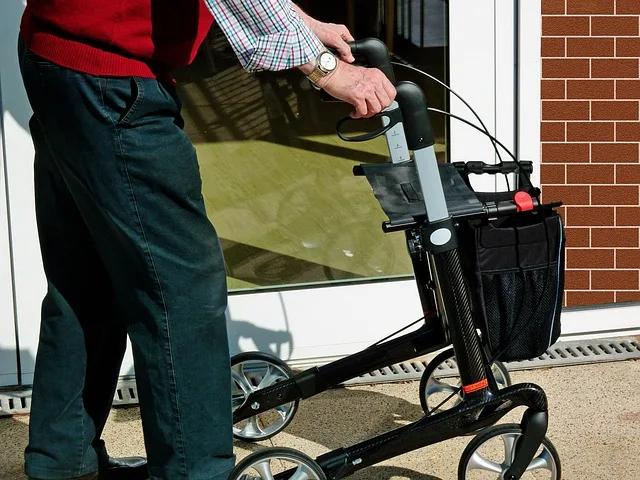
Mobility needs vary considerably among older adults. Some may simply move more slowly, while others may require assistance standing, transferring, or walking between rooms.
Personal care can include support with these everyday movements while encouraging appropriate activity. A caregiver can help a senior get safely from the bedroom to the kitchen, move between chairs, or prepare for an outing.
The home environment also matters. Clear walkways, adequate lighting, and frequently used items placed within easy reach can reduce unnecessary obstacles.
If a senior experiences a significant change in balance, walking ability, or physical function, families should discuss those changes with the appropriate healthcare professional.
Meals as Part of Everyday Care
Preparing food can become tiring when an older adult has difficulty standing for long periods or handling kitchen tasks. A caregiver can help prepare simple meals, organize food, and encourage regular hydration.
Meals can also provide structure to the day. Breakfast, lunch, and dinner become familiar points around which other activities can be organized.
For seniors living alone, having someone available during mealtimes can provide both practical assistance and social interaction. However, any specialized dietary requirements should follow instructions from the person's healthcare provider.
Medication Reminders and Daily Organization
Remembering medications can become more challenging when an older adult has several daily responsibilities. A caregiver can provide reminders according to the schedule established by the individual's healthcare team.
Other organizational support may include reminders about appointments, helping prepare items for an outing, or keeping track of ordinary household routines.
Caregivers should not independently change medications or treatment instructions. Their role is to help the senior follow the established routine and alert the appropriate family member or healthcare professional when something appears to have changed.
Staying Connected With Chattanooga Life
Personal care can support more than activities inside the house. Many seniors want to continue visiting friends, attending community activities, shopping, or spending time with family.
Chattanooga's varied neighborhoods and outdoor environment offer opportunities for seniors to remain engaged when their mobility and health allow. Personal assistance can make preparing for an outing easier and may help a senior feel more confident about participating in activities outside the home.
Not every outing needs to be elaborate. A short trip to a familiar location can be enough to maintain a sense of normality and connection.
Support During Recovery
Personal care Chattanooga TN can also be useful after an illness, injury, or hospital stay. Returning home does not always mean that an older adult immediately returns to their previous level of independence.
For a period of time, bathing, dressing, walking, preparing food, and managing ordinary routines may require additional assistance.
In-home support can help bridge this transition while the senior follows the recovery plan established by their healthcare professionals. As abilities improve, assistance can be adjusted rather than continuing at the same level indefinitely.
Helping Family Members Share the Responsibility
Family members often want to be available for an aging parent but cannot provide hands-on assistance throughout every day. Employment, distance, children, and other responsibilities can make a full-time family caregiving arrangement difficult.
Personal care can provide another layer of support. Relatives can remain involved in decisions and spend meaningful time with their loved one without every visit being focused on bathing, dressing, meals, or household routines.
Clear communication between family members and caregivers can make this arrangement work more smoothly. Changes in preferences, mobility, appetite, or daily functioning should be shared with the appropriate people.
Adjusting Support as Needs Change
Personal care should not be treated as a fixed arrangement. An older adult's needs may change gradually or following a significant event such as an illness or fall.
Someone might initially need help only with bathing and dressing but later require additional support with meals, mobility, or daily supervision. Regularly reassessing the arrangement helps ensure that the level of assistance remains appropriate.
For families considering personal care in Chattanooga, TN, the goal is not simply to make daily tasks easier. It is to help an older adult continue living with dignity, familiarity, and as much independence as their circumstances allow. With individualized support, everyday assistance can become part of a sustainable plan for remaining at home.


