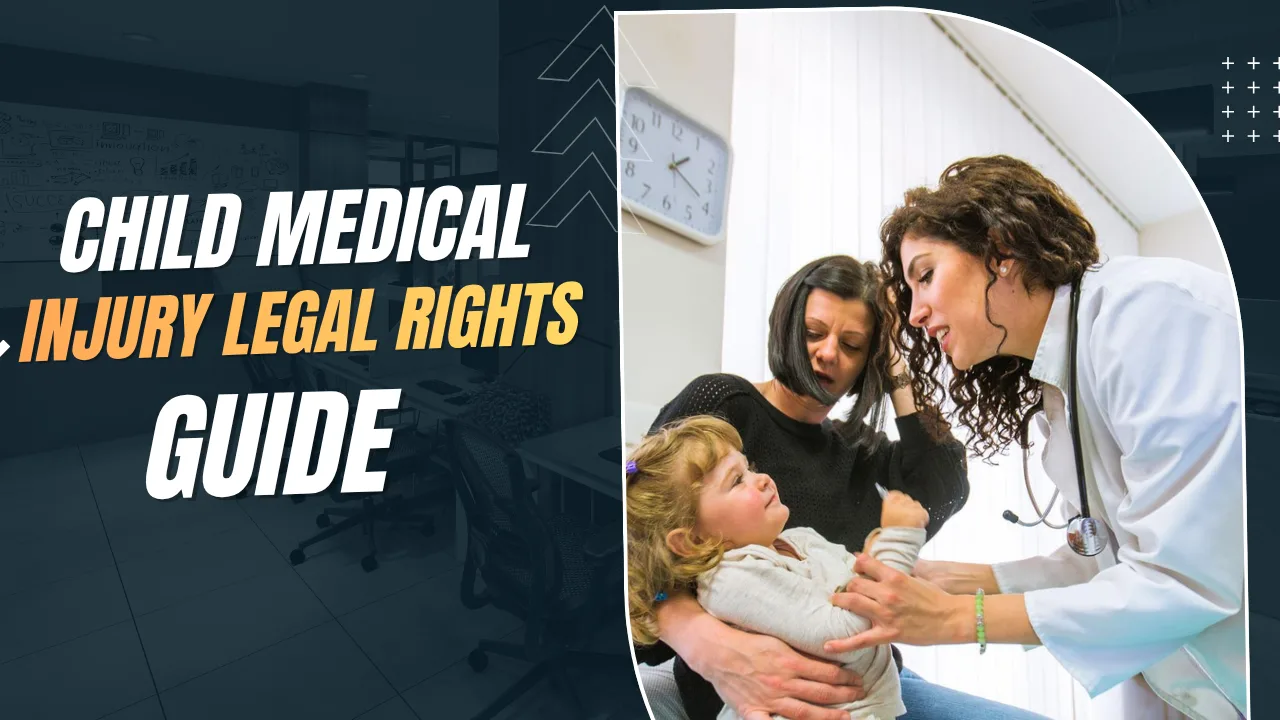
Understanding Your Legal Rights After a Child's Medical Injury
Few experiences are more overwhelming than learning that a child has been harmed during medical treatment. Parents trust doctors, nurses, and hospitals to provide safe, appropriate care, especially when treating infants and children who may not be able to describe their symptoms or advocate for themselves.
While many medical complications occur despite proper care, some injuries happen because healthcare providers fail to follow accepted medical standards. When that occurs, families often have questions about what happened, whether the injury could have been prevented, and what legal options may be available.
Understanding your rights can help you make informed decisions during an already difficult time. If negligence is suspected, speaking with a pediatric malpractice attorney may help you determine whether your family has a valid medical malpractice claim.
What Is Pediatric Medical Malpractice?
Pediatric medical malpractice occurs when a healthcare provider fails to provide the accepted standard of care while treating a child, resulting in preventable harm.
Medical professionals who care for children are expected to make decisions based on established medical practices. If they fail to diagnose a serious illness, prescribe the wrong medication, perform an unsafe procedure, or overlook important symptoms, the consequences can sometimes be life changing.
Not every unexpected medical outcome is considered malpractice. Medicine involves uncertainty, and even excellent healthcare providers cannot guarantee perfect results. A malpractice claim generally depends on whether another qualified provider would have acted differently under similar circumstances.
Common Causes of Medical Injuries in Children
Children may experience preventable injuries in many healthcare settings, including hospitals, emergency departments, pediatric clinics, and surgical centers.
Some of the most common situations include:
- Delayed or missed diagnosis.
- Medication errors.
- Birth related injuries.
- Surgical mistakes.
- Failure to recognize infections.
- Anesthesia complications.
- Improper monitoring after treatment.
Because children often have different symptoms than adults, early recognition and timely treatment are especially important.
What Should Parents Do After Suspecting Medical Negligence?
It is natural to search for answers after an unexpected medical injury. Before making assumptions, families should focus on gathering accurate information.
Helpful steps include:
- Request complete medical records.
- Keep copies of prescriptions and discharge instructions.
- Document symptoms and follow up appointments.
- Save medical bills and related expenses.
- Write down important dates and conversations.
These records can provide valuable information when healthcare providers later review the child's treatment.
How a Pediatric Malpractice Attorney Can Help
Medical malpractice cases involving children are often complex because they require both legal knowledge and a detailed understanding of pediatric medicine.
A pediatric malpractice attorney typically works with independent medical experts to review treatment records and determine whether accepted standards of care were followed.
Their work may include:
- Reviewing medical documentation.
- Consulting pediatric specialists.
- Identifying preventable medical mistakes.
- Calculating current and future financial losses.
- Negotiating with insurance companies.
- Representing families if litigation becomes necessary.
Having an experienced attorney allows parents to focus on their child's recovery while the legal investigation moves forward.
What Compensation May Be Available?
Every case is unique, but compensation may help families manage both immediate and long term challenges created by a preventable medical injury.
Depending on the circumstances, damages may include:
- Current medical expenses.
- Future medical treatment.
- Rehabilitation services.
- Therapy costs.
- Lost earning potential in severe cases.
- Pain and suffering.
- Emotional distress experienced by the child.
The goal of compensation is not simply financial recovery. It can also provide resources that support the child's future care and quality of life.
Why Acting Early Is Important
Medical malpractice claims are subject to legal deadlines that vary by state. Waiting too long may make it harder to obtain important evidence or preserve witness testimony.
Early legal advice also gives medical experts more time to review records and determine whether negligence may have occurred.
Even if you are uncertain whether malpractice happened, seeking professional guidance can provide clarity and help you understand your available options.
The Bottom Line
A child's medical injury can leave families searching for answers while coping with emotional and financial stress. Although not every poor medical outcome results from negligence, preventable mistakes deserve careful review. Understanding your legal rights and consulting an experienced pediatric malpractice attorney can help you determine whether your family has a valid claim and what steps may support your child's future care.
Frequently Asked Questions
1. What is pediatric medical malpractice?
Pediatric medical malpractice occurs when a healthcare provider's negligence causes preventable harm to a child during diagnosis, treatment, surgery, or follow up care.
2. When should I contact a pediatric malpractice attorney?
If you believe your child's injury may have resulted from a preventable medical mistake, consult a pediatric malpractice attorney as soon as possible to review your legal options.
3. What evidence is important in a pediatric malpractice case?
Medical records, prescriptions, test results, discharge instructions, medical bills, and notes about your child's symptoms can all help evaluate a potential claim.
4. Can every medical injury lead to a malpractice lawsuit?
No. A claim generally requires proof that a healthcare provider failed to meet the accepted standard of care and that this failure directly caused the child's injury.
5. How long do I have to file a pediatric malpractice claim?
The time limit depends on the laws of the state where the injury occurred. Speaking with an attorney promptly can help protect your legal rights.