Charging Ahead: My First Encounter with Electric Vehicles
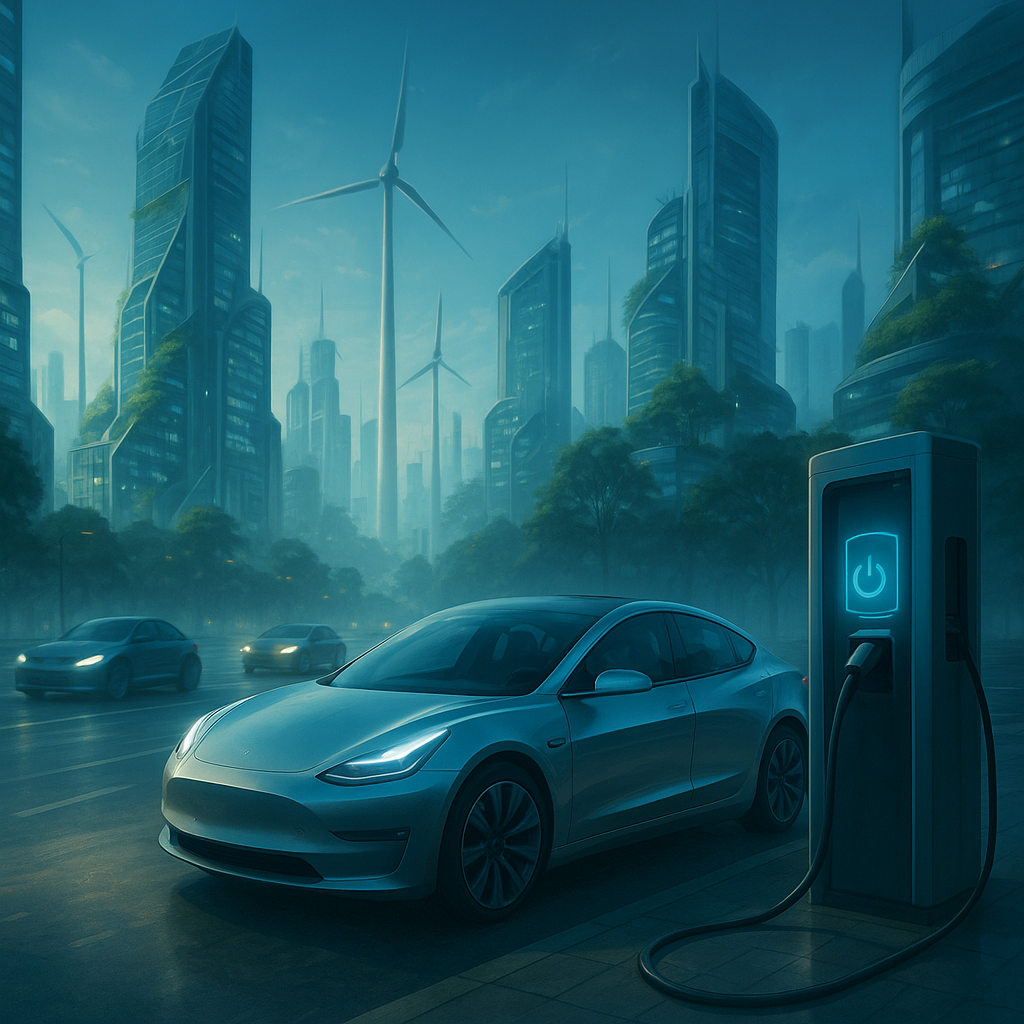
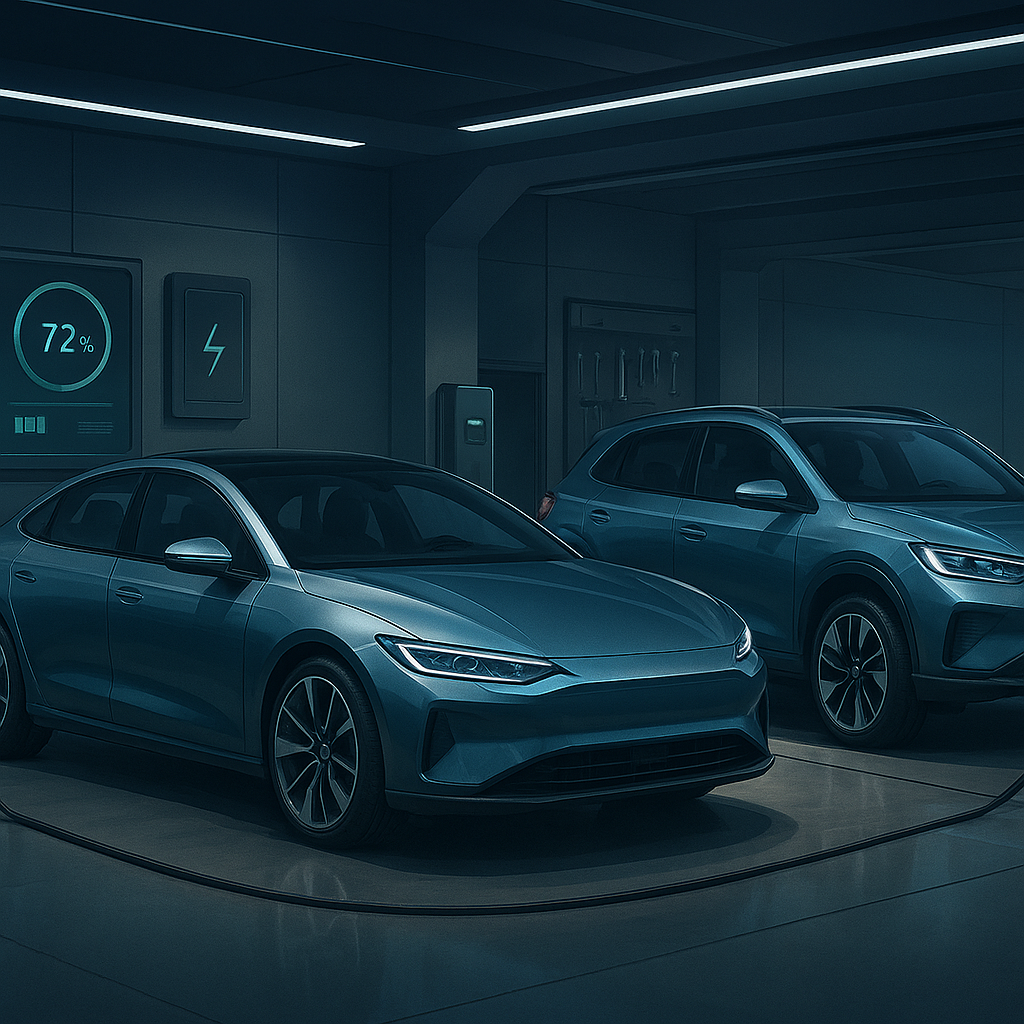
In early 2024, I made the leap into the world of electric vehicles (EVs) by purchasing my first model, a 2023 mid-range EV from a leading manufacturer. The decision was fueled by a blend of environmental concern, curiosity about emerging technology, and incentives offered by local governments. Little did I know that owning an EV was not just about driving a car; it was about adapting to a new ecosystem of energy, infrastructure, and lifestyle changes. By 2025, I added a second EV to my garage—a compact electric SUV. Together, these two vehicles have provided a comprehensive perspective on the evolving landscape of EV ownership, from purchase considerations to daily driving realities.
My journey began with a mix of excitement and uncertainty. The charging infrastructure was a frequent worry, and the idea of range anxiety loomed large. However, as I adapted, I discovered nuances and practical insights that every prospective EV buyer should understand. This article distills those lessons into actionable knowledge, grounded in firsthand experience and the latest data from 2026.
"Owning two electric vehicles revealed the critical importance of infrastructure compatibility and real-world range over manufacturer claims."
From Gas to Grid: Understanding the Context of EV Adoption
The global shift toward electric mobility has accelerated dramatically since the early 2020s. According to industry estimates, EVs comprised nearly 25% of new vehicle sales worldwide by the end of 2025, a figure driven by improved battery technologies, stricter emissions regulations, and widespread consumer incentives. Early adopters like myself have witnessed firsthand the transformation of automotive culture and infrastructure.
Historically, the transition was hampered by high upfront costs, limited model variety, and insufficient charging networks. However, recent advances in solid-state batteries and mass production efficiencies have lowered prices significantly. The International Energy Agency (IEA) reported that the average price of a mid-range EV dropped by 18% between 2023 and 2025, closing the gap with internal combustion engine (ICE) vehicles.
Government policies have played a pivotal role. In the United States and Europe, subsidies combined with investments in public charging stations have addressed range anxiety and accessibility. For example, the U.S. federal government's National Electric Vehicle Infrastructure (NEVI) program allocated billions to develop fast charging corridors along highways, enhancing long-distance travel feasibility.
This shift isn't just technological but cultural. Drivers are increasingly valuing sustainability and lower operating costs. My own experience mirrors this trend, as my household energy consumption shifted with the integration of two EVs and home solar panels, highlighting the interconnectedness of energy and transportation sectors.
Analyzing the Realities: Charging, Range, and Cost Considerations
One of the most critical lessons from owning two EVs is the practical management of charging and range. Despite manufacturer claims of 300-350 miles per charge for both vehicles, real-world conditions often differ.
Range Variability Factors:
- Driving speed and style significantly affect battery consumption. Highway speeds over 70 mph reduce range by approximately 20%.
- Weather conditions, especially cold temperatures, can decrease battery efficiency and charging speed.
- Use of auxiliary systems like heating or air conditioning impacts energy use.
- Payload and terrain variations also affect consumption.
Charging infrastructure is another crucial element. At home, installing a Level 2 charger (240V) provided convenience and consistent overnight charging. However, the initial installation cost was approximately $1,200, including electrical upgrades. Public chargers vary widely in speed and availability. Fast chargers (150-350 kW) enable 80% charge in 20-30 minutes but are still unevenly distributed, especially in suburban and rural areas.
Charging costs fluctuate depending on location and time. Charging at home during off-peak hours costs around $0.10 per kWh, while some public fast chargers charge as much as $0.50 per kWh. Across my two EVs, I calculated an average operational cost of $0.04 per mile, substantially lower than my previous gasoline car, which averaged $0.12 per mile.
"Charging infrastructure quality and electricity pricing are the hidden variables that determine the true cost and convenience of EV ownership."
2026 Updates: Where the EV Market and Technology Stand Now
Entering 2026, the EV market has matured, yet challenges remain. Battery innovation continues to push the envelope, with new solid-state and lithium-metal batteries promising longer ranges and faster charging. Several automakers have announced production models capable of 400+ miles per charge with 15-minute fast charging, a significant leap from two years ago.
Software integration has also improved. My second EV features an advanced energy management system that predicts optimal charging stops during trips and integrates seamlessly with home energy systems. This kind of smart connectivity is becoming standard in 2026 models.
Charging networks are denser and more interoperable. The rise of roaming agreements between charging operators means drivers can now use a single app or RFID card across multiple networks, simplifying the user experience. However, rural areas still lag behind urban centers in charger availability.
Government incentives have evolved from purchase subsidies to focus more on infrastructure and grid modernization. The increased adoption of vehicle-to-grid (V2G) technology allows EVs to feed energy back into the grid during peak demand, providing economic benefits to owners and grid stability.
Market competition has intensified, with legacy automakers and startups alike launching diverse EV portfolios. The compact SUV segment, where my second vehicle sits, is notably crowded, reflecting consumer demand for versatile, family-friendly electric cars.
Expert Views and Industry Impact: What the Professionals Are Saying
Industry experts emphasize the importance of holistic ecosystem development beyond just vehicle sales. Sarah Lopez, an energy analyst at GreenTech Insights, notes, "The future of EVs depends on integrating transportation with energy grids, smart charging, and consumer behavior adaptation."
Automakers are increasingly investing in battery recycling and second-life applications to address sustainability concerns. According to a recent report by the Global EV Outlook, recycling rates for lithium-ion batteries have improved to nearly 70% in 2025, reducing environmental footprints.
Fleet operators are also driving change. With companies like Amazon and UPS committing to fully electrify their delivery vehicles by 2030, the commercial segment is a key driver of battery demand and charging infrastructure expansion.
Consumer education remains a priority. TheOmniBuzz’s own coverage, such as What Owning Two Electric Vehicles Taught Me About EV Realities and Electric Vehicles on the Horizon: What’s Driving Tomorrow’s EV Lineup, helps demystify myths and set realistic expectations for buyers.
"The EV revolution is as much about infrastructure and consumer mindset as it is about the vehicles themselves."
Looking Forward: What to Expect and How to Prepare as an EV Owner
As the EV market continues to evolve, prospective buyers should approach the decision with a nuanced understanding. Here are key takeaways based on owning two EVs and observing industry trends:
- Assess Your Driving Needs: Consider daily commute distances, driving habits, and access to charging. Not all EVs fit every lifestyle.
- Plan for Home Charging: Invest in a quality Level 2 charger if possible, as it greatly enhances convenience and reduces reliance on public stations.
- Understand Total Cost of Ownership: Factor in electricity costs, maintenance savings, incentives, and potential resale value.
- Stay Informed on Infrastructure Developments: Monitor local charging network expansions and emerging technologies like V2G.
- Embrace Software and Connectivity: Utilize apps and vehicle features that optimize charging and energy use.
The future outlook for EVs is promising but requires a shift in consumer expectations and infrastructure investment. By 2030, industry forecasts anticipate EVs will make up over 50% of new vehicle sales in key markets, driven by cost parity and regulatory pressures. The transition will be gradual but increasingly mainstream.
For those interested in exploring these dynamics further, TheOmniBuzz’s in-depth analyses such as How Future EVs Will Redefine Driving With Tech and Sustainability provide valuable insights on the technological and environmental implications shaping the next decade.
In sum, owning two electric vehicles has taught me that while EVs offer compelling benefits in cost savings, environmental impact, and driving experience, success depends on understanding and adapting to the broader energy ecosystem and evolving technologies. This holistic perspective is essential for anyone considering joining the electric mobility movement.