Charging Into the Future: A Glimpse of Tomorrow’s Electric Vehicle Market
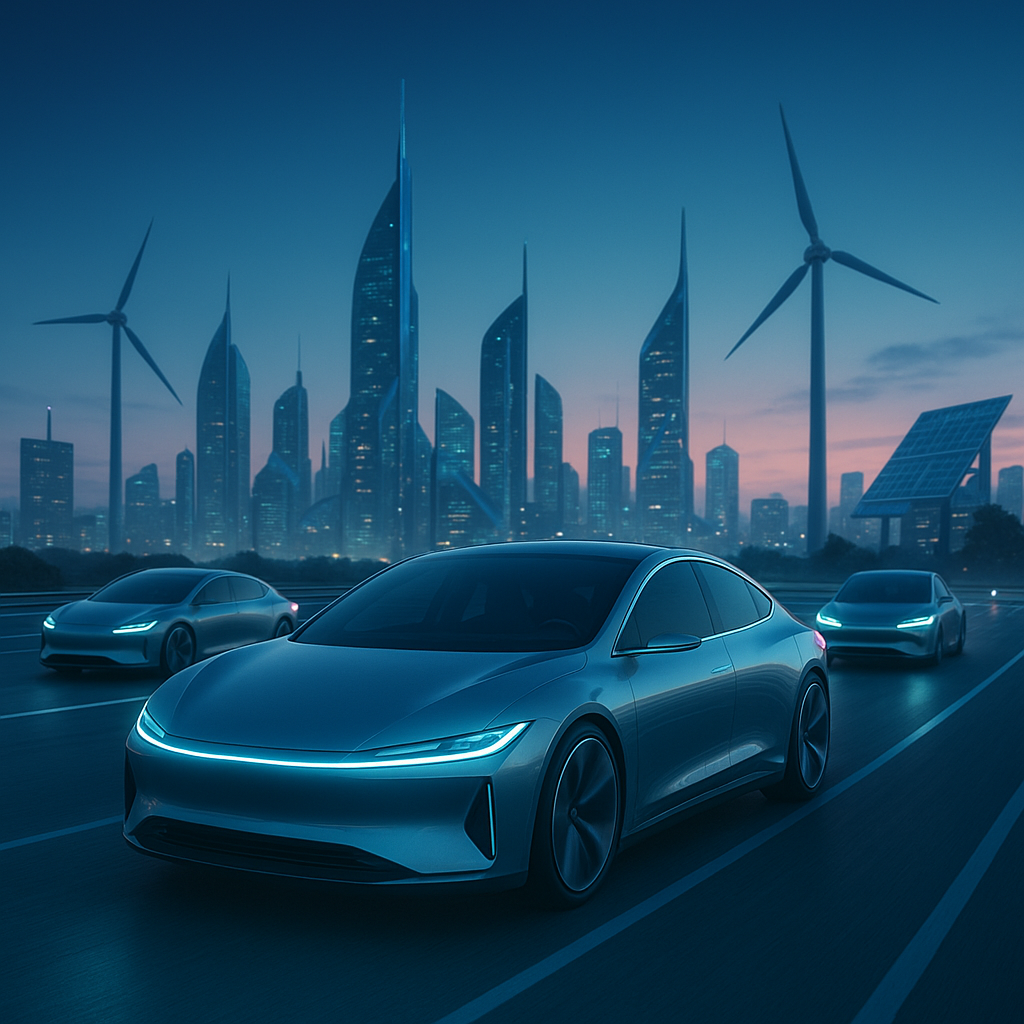
Picture this: It’s 2028, and the highways are buzzing with sleek electric vehicles (EVs) that look nothing like the early models of just a decade ago. The evolution of battery technology, autonomous features, and sustainable manufacturing has transformed the driving experience into something futuristic yet accessible. This transformation is not a distant dream but a rapidly approaching reality, fueled by the wave of new EVs slated for release in the next few years. Industry insiders forecast that by 2030, electric cars will dominate global sales, with a growing variety of models catering to every taste and need.
In 2026, the automotive sector is witnessing an unprecedented surge in EV introductions, reflecting both technological leaps and policy shifts worldwide. The growing urgency to combat climate change, coupled with significant investments from traditional automakers and startups alike, is reshaping the industry. This article explores the upcoming electric vehicles destined to hit markets soon, analyzing their unique features, technological innovations, and what they mean for drivers globally.
Tracing the Road: How Electric Vehicles Got Here
The journey of electric vehicles has been a story of innovation, setbacks, and resurgence. Early 20th-century electric cars were eclipsed by internal combustion engines due to cost and range limitations. It wasn’t until the early 2000s, with rising environmental concerns and oil price volatility, that EVs began reclaiming interest, spearheaded by pioneers like Tesla. By 2020, global EV sales surged past 6 million units annually, supported by government subsidies and improved infrastructure.
However, the shift from niche to mainstream was not without challenges. Battery costs, charging infrastructure, and consumer range anxiety remained significant hurdles. The 2020s have seen remarkable progress in these areas, especially with lithium-ion battery prices dropping from over $1,000 per kWh in 2010 to under $100 per kWh by 2025, according to industry estimates. This decline has made EVs more affordable and practical, paving the way for a broader range of vehicles.
Simultaneously, regulatory frameworks worldwide have tightened emissions standards and pushed for zero-emission vehicle mandates. For instance, the European Union’s ban on new gasoline and diesel cars by 2035 and similar policies in key markets like California have accelerated automakers’ EV development pipelines. This regulatory push, combined with consumer demand for sustainability and technological sophistication, has culminated in the robust pipeline of future EVs we see today.
What’s Coming Next: Analyzing the Imminent Electric Vehicle Lineup
The next wave of electric vehicles promises to be diverse, innovative, and competitive. Automakers are expanding their portfolios beyond sedans and hatchbacks, introducing electric SUVs, pickup trucks, luxury models, and even electric vans tailored for commercial use. Here are key highlights of the EVs expected to launch within the next two years, along with their standout features:
- Ford F-150 Lightning Pro Max (2027): Building on the success of its predecessor, Ford’s upcoming F-150 Lightning Pro Max will offer an extended range of over 400 miles, enhanced towing capacity, and integrated solar roof panels to supplement charging. The pickup market is rapidly electrifying, and Ford aims to maintain its leadership with rugged, tech-forward offerings.
- BMW i7 M70 (2026): BMW’s flagship electric sedan will combine performance with luxury, boasting a 0-60 mph time under 3.5 seconds and a driving range close to 360 miles. Advanced driver assistance systems and a refined interior experience will position it as a direct competitor to Tesla’s Model S Plaid.
- Hyundai Ioniq 6 EV (2026): Hyundai continues to impress with its sleek, aerodynamic Ioniq 6, which offers competitive pricing and an estimated range of about 310 miles. It incorporates cutting-edge battery management systems to optimize lifespan and charging speed.
- Rivian R2 (2027): Targeting a more affordable segment, Rivian’s smaller R2 pickup truck aims to deliver versatility and off-road capability at a lower price point, expanding the accessibility of EV pickups.
- Tesla Cybertruck Tri-Motor Refresh (2027): Tesla is updating its Cybertruck with a tri-motor setup that extends range to over 500 miles and adds improved suspension for heavy-duty use, confirming its intent to dominate electric trucks.
These vehicles highlight the trend toward longer range, enhanced performance, and specialized features that cater to distinct market segments. Battery innovations such as solid-state cells and improvements in fast-charging infrastructure are critical enablers driving these advancements.
2026 Market Dynamics: Shifting Trends and Industry Developments
As of mid-2026, the EV market is characterized by several pivotal developments shaping availability and consumer adoption. Several legacy automakers have accelerated their EV launches to meet emissions targets and counter the growing presence of startups. For example, Volkswagen’s ID.7 has become a bestseller in Europe due to its competitive pricing and solid range, while General Motors is doubling down on its Ultium platform to underpin a variety of electric models.
Charging infrastructure has also seen rapid expansion. The deployment of ultra-fast DC chargers capable of delivering up to 350 kW is becoming widespread along major highways in North America and Europe, significantly reducing charging times. Additionally, vehicle-to-grid (V2G) technology trials have expanded, allowing EV owners to sell energy back to the grid during peak hours, enhancing grid stability and offering new value propositions.
Meanwhile, supply chain issues that plagued the industry in earlier years have been partially resolved. Battery material sourcing, especially for lithium, nickel, and cobalt, has improved through diversified mining operations and recycling initiatives. However, geopolitical tensions and environmental concerns remain risks to raw material availability.
“The EV market in 2026 is no longer a niche segment but a mainstream automotive revolution, with broad consumer appeal and robust infrastructure support,” notes automotive analyst Dr. Helena Chen.
The competitive landscape also sees new entrants from tech companies integrating advanced AI-driven features into vehicles. Autonomous driving capabilities, including Level 3 and beyond, are becoming standard in premium models, promising safer and more convenient travel.
Voices from the Industry: Expert Insights on the EV Future
Industry executives and experts weigh in on what the influx of upcoming electric vehicles means for consumers and the environment. Dr. Arjun Patel, a battery technology specialist, emphasizes that “The leap to solid-state batteries expected around 2027 will be transformational, offering higher energy density and faster charging, effectively addressing range anxiety.”
Meanwhile, sustainability advocates argue that the true impact of these new EVs depends on the decarbonization of the electricity grid. “Electric vehicles are only as green as the power that charges them,” says Maria Gutierrez from the Global Climate Initiative. “Policies must ensure that EV adoption is paired with renewable energy expansion.”
Automakers themselves are increasingly focused on circular economy principles. Companies like Volvo and Nissan are pioneering battery reuse and recycling programs to reduce environmental footprints. Additionally, the industry expects emerging markets to become key battlegrounds for EV adoption as costs continue to fall.
“Our mission is to democratize electric mobility by offering affordable, reliable EVs that cater to diverse consumer needs worldwide,” states Elena Morozova, CEO of a leading EV startup.
Looking Ahead: What to Watch in the Electric Vehicle Revolution
As the electric vehicle lineup expands dramatically, several trends and challenges warrant close attention. First, affordability remains crucial. According to recent projections, falling battery costs and manufacturing scale will bring average EV prices below $30,000 by 2028, potentially unlocking mass-market adoption. TheOmniBuzz’s coverage on how falling prices could spark an electric vehicle revolution delves deeper into these dynamics.
Second, the integration of smart mobility solutions, including vehicle-to-everything (V2X) communication and AI-powered driver aids, will redefine ownership and usage patterns. Urban planning will also adapt, with cities redesigning streets and parking to accommodate electric fleets, as discussed in our article on how future EVs will redefine driving with tech and sustainability.
Third, the geopolitical landscape and raw material supply chains will continue influencing production timelines and costs. The automotive sector’s responsiveness to these factors will shape which models succeed and how quickly the global fleet transitions to electric.
- Key factors to watch:
- Battery technology breakthroughs, especially solid-state adoption
- Charging infrastructure expansion and interoperability
- Government policies incentivizing EV purchase and infrastructure
- Consumer acceptance and education on EV benefits
- Supply chain resilience and material sourcing ethics
In essence, the electric vehicles coming soon are not just new cars; they represent a profound shift in transportation philosophy. Their success hinges on technological innovation, supportive ecosystems, and sustainable practices aligned with global climate goals. The next few years will be decisive in determining how quickly and widely electric vehicles reshape mobility worldwide.
For a detailed look at production challenges impacting upcoming EVs, exploring issues like the Scout EV delays, readers can refer to TheOmniBuzz’s insightful piece on Scout EV delays spotlight challenges in the electric vehicle boom.