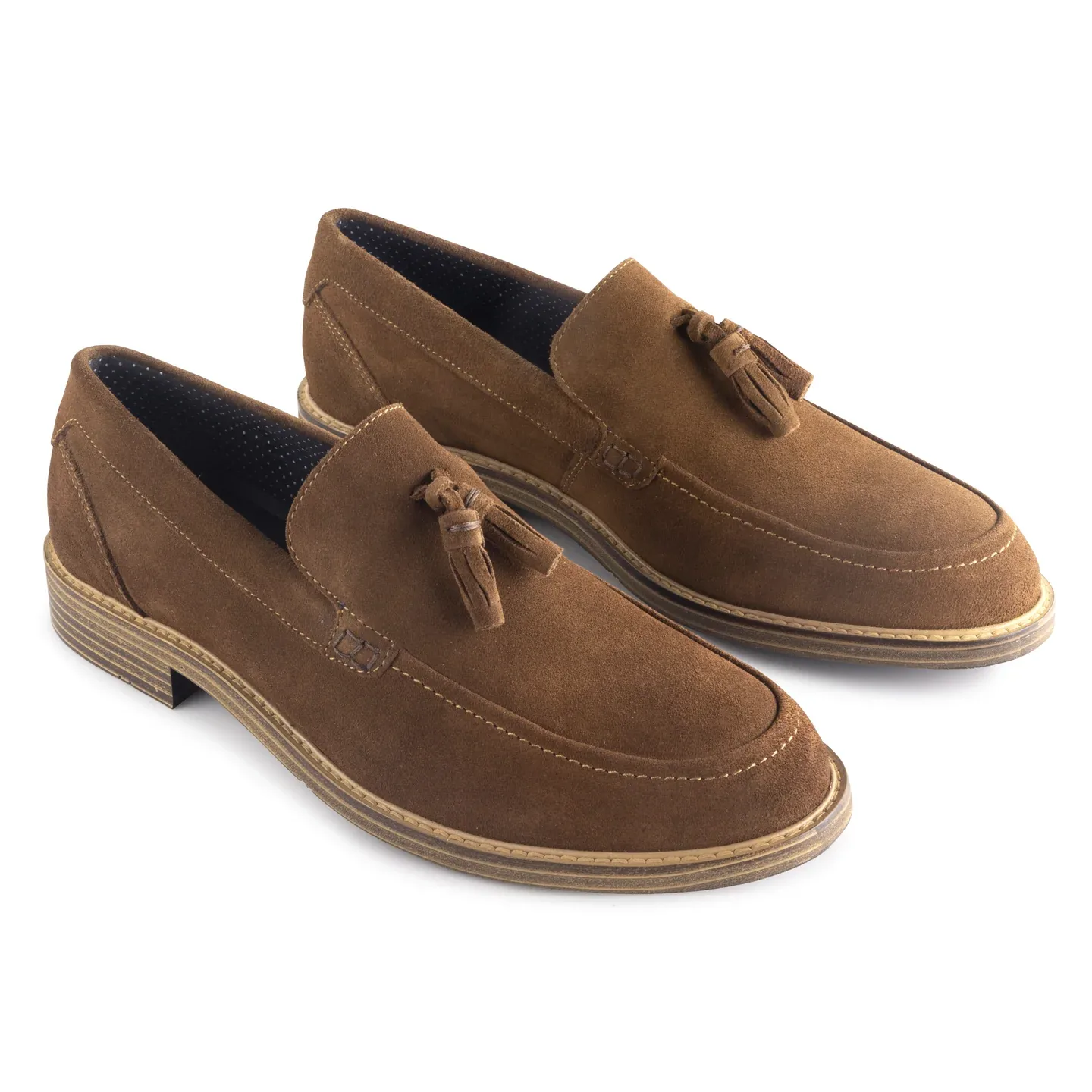

Most women have at least one online order sitting in a drawer, unworn, because the fabric looked different when they bought it. That's not bad luck. That's a comparison problem, not a shopping problem.
I've watched friends spend 40 minutes scrolling five different apps, add items to four carts, then buy from whichever site sent a discount code last. That's not how you find quality or value. It's how you end up with three similar tops and no proper winter jacket.
This guide fixes that. You'll get a real framework for comparing fashion stores, not just a list of names to bookmark.
Why women end up disappointed with online fashion orders
Three things cause most bad orders: the wrong size, the wrong fabric, and wrong expectations.
Model photos are shot on people who are 5'8" and a size 4. Your body isn't a marketing sample. That gap between the photo and reality is where disappointment starts.
Fast fashion sites also change their fit between collections. A medium in one drop can run differently from a medium in the next. Nobody warns you about this until you've ordered five mediums and gotten five different fits.
Common mistake: buying based on the model photo alone, skipping the size chart, and ignoring the "true to size" comments buyers leave in reviews.
How to compare online shopping sites for women's fashion
Here's the framework I'd use if I were starting from zero.
1. Check the return and exchange window first
Before you even browse products, open the returns page. A 7-day window is tight. 15 to 30 days gives you room to actually wear the item once at home and decide.
Some best online shopping sites for women's clothing now offer free returns with pickup. Others charge a restocking fee. That fee changes the real price of everything you buy from that store.
2. Read size charts in centimetres, not just S/M/L
Labels lie across brands. A body measurement (bust, waist, hip in cm) doesn't lie.
Keep your own measurements saved in your phone notes. Match them against each site's chart every single time, even for brands you've bought before.
3. Look for real customer photos, not just star ratings
A 4.5-star rating with zero photos tells you very little. Reviews with actual photos show you fabric colour, drape, and fit on different body types.
If a listing has hundreds of reviews but no photos, that's worth noticing.
4. Compare total cost, not listed price
A dress priced at ₹899 with ₹150 shipping and no COD option can end up costing more than a ₹999 dress with free shipping. Add up the real total before comparing two stores.
5. Check how often the catalogue updates
Trendy fashion clothing websites that refresh stock weekly usually reflect current styles better than ones that keep the same 200 products for six months. If you want trending women's clothing, check the "new arrivals" date stamp.
Comparison table: what to check across fashion stores
FactorWhy it mattersRed flagReturn windowTime to try and decideUnder 7 daysSize chart detailAccuracy of fitOnly S/M/L, no cmReview photosReal fabric and colour checkRatings with no photosShipping costTrue final priceHidden charges at checkoutCOD availabilityTrust and flexibilityPrepaid only, new brandCatalogue update frequencyTrend relevanceSame stock for monthsTypes of online shopping sites for women, compared
Not every site serves the same purpose. Sorting them by type helps more than sorting them by name.
Budget and volume sites: Large catalogues, low prices, hit-or-miss quality. Good for basics like t-shirts and leggings where fit forgiveness is higher.
Trendy fast-fashion sites: Weekly drops, influencer-driven styles, shorter product life. Good for occasion wear you'll use a handful of times.
Curated boutique-style sites: Smaller catalogues, more consistent sizing, often better fabric quality. Prices sit higher, but returns are usually fewer because the fit information is clearer.
I've seen boutique-style platforms like F-route Clothing list detailed fabric composition and fit notes on each product page, which cuts down on the guesswork that causes most return requests. That kind of detail is a genuine signal of a store that's paying attention to fit problems.
Affordable women's clothing without cutting corners
Cheap and affordable aren't the same thing. Affordable means good value for what you paid. Cheap sometimes means you'll rebuy it in two months.
- Buy basics (plain tees, leggings, innerwear) from budget sites since fit tolerance is high.
- Buy structured pieces (blazers, fitted dresses, denim) from sites with detailed size charts, even if slightly pricier.
- Wait for end-of-season sales on structured items instead of festival sales, since discounts run deeper.
- Set a price alert or wishlist item and revisit after 2 weeks. Most trendy pieces drop 20 to 30% within a month.
Step-by-step: compare two stores in 5 minutes
- Open both size charts side by side. Match your measurements.
- Check return policy days on both.
- Sort by reviews with photos, not just top-rated.
- Add the item to cart on both and check final price including shipping.
- Pick the one with the better return policy if prices are close. Fit risk matters more than a ₹100 difference.
Common mistakes to avoid
- Ordering multiple sizes "just in case" without checking the return cost first.
- Trusting a discount percentage over the actual final price.
- Skipping the fabric composition tag (rayon behaves very differently from cotton in Indian summers).
- Ignoring seller ratings on marketplace-style sites where multiple sellers list under one brand name.
Key takeaways
- Compare return windows before comparing prices. Fit risk costs more than a small price gap.
- Use cm measurements, not S/M/L labels, when checking size charts.
- Reviews with photos tell you more than star ratings alone.
- Buy basics from volume sites, buy structured pieces from sites with detailed fit information.
- Add shipping and taxes before deciding which store is actually cheaper.
- Wait a couple of weeks before buying full-price trendy items; discounts usually follow.
Conclusion
Comparing fashion stores isn't complicated once you know what to check. The mistake most women make is judging a site by its homepage discount instead of its return policy and size chart accuracy. Fix that one habit, and your bad-order rate drops fast.
Next time you're choosing between two stores, run the 5-minute comparison above before you check out. Your wardrobe (and your return-shipping budget) will thank you.
FAQ’s
Is online shopping good for women in terms of safety and returns?
Yes, provided you check the return policy and use trusted payment methods. Most established sites now offer buyer protection, easy returns, and COD options. Read seller ratings on marketplace platforms before buying from unfamiliar sellers.
What are the best online shopping sites for women's clothing on a budget?
Look at large-catalogue platforms known for basics and everyday wear, plus mid-range brands that run regular sales. Compare their return windows and shipping costs before deciding, since the listed price alone doesn't tell you the real cost.
How do I find trendy women's clothing without overpaying?
Wait 2 to 3 weeks after a style trends before buying, since most fast-fashion prices drop. Also check catalogue update dates. Sites that refresh weekly usually price trend pieces more competitively than ones running old stock.
Why do clothes look different online than in person?
Lighting, screen colour calibration, and professional styling on models all affect how fabric appears in photos. Reviews with real customer photos usually give a closer sense of true colour and fit than the main product images.
How often should I check size charts even for brands I've bought before?
Every time. Brands change their fit between seasons and collections. A size that fit perfectly 6 months ago on the same site can run differently on a new batch of stock.