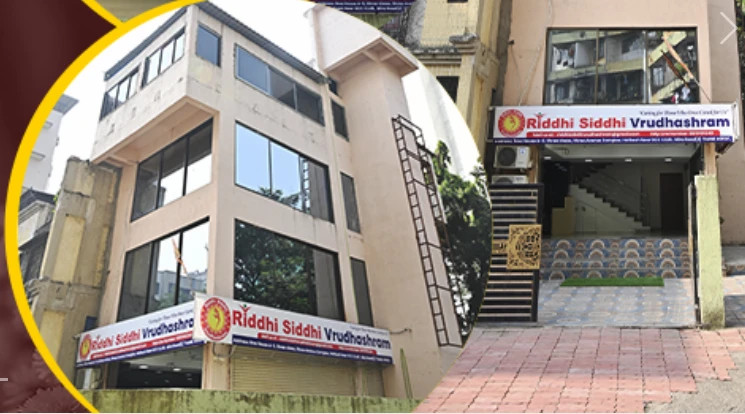
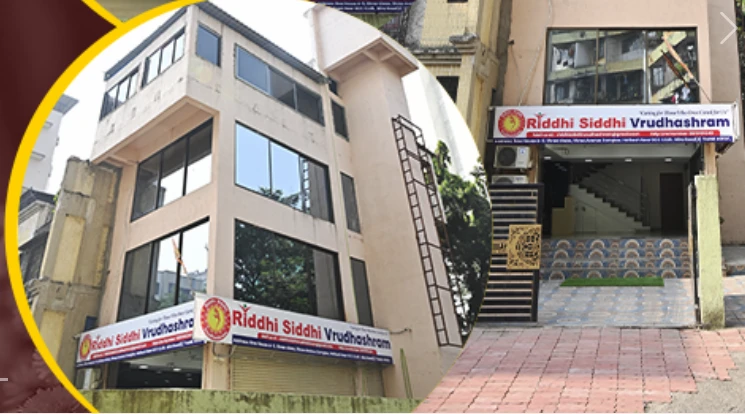
As societies evolve, the need to support elderly populations becomes increasingly important. Searching for an old people home, old age home donation near me often reflects a deeper intention—not just to give, but to contribute meaningfully to the dignity, health, and well-being of senior citizens. Across the world, elderly care institutions play a vital role in providing shelter, medical attention, emotional support, and a sense of belonging to those who may otherwise be isolated.
Understanding the Role of Old People Homes
Old people homes, also known as old age homes or senior living centers, are dedicated spaces where elderly individuals receive care and companionship. These facilities cater to a wide range of needs, from independent living to assisted care and full-time medical supervision. In many cases, residents include individuals who may not have family support, financial stability, or the physical ability to live independently.
These homes go beyond basic shelter. They offer structured routines, healthcare services, recreational activities, and emotional engagement, all of which are essential for improving the quality of life of senior citizens. With rising life expectancy globally, the demand for such facilities is steadily increasing.
Why Donations Matter in Elder Care
Running an old age home requires consistent resources—financial, medical, and human. Donations play a crucial role in bridging the gap between operational costs and available funding. Contributions help provide:
- Nutritious meals and daily essentials
- Medical care, including medications and routine check-ups
- Comfortable living infrastructure
- Recreational and mental wellness programs
- Emergency support and specialized care services
Even small contributions can create a significant impact when directed toward the right resources. Donations are not limited to money; they can also include food supplies, clothing, medical equipment, or even time through volunteering.
The Growing Importance of Responsible Giving
In today’s interconnected world, individuals and organizations are becoming more conscious about where and how they contribute. Whether it’s a local initiative or a broader effort, responsible giving ensures that donations are utilized effectively and transparently.
When exploring donation opportunities, it is important to consider:
- Accountability and transparency in operations
- Clear communication of how funds are used
- Sustainable care models rather than short-term aid
- Ethical treatment and dignity of residents
These factors help ensure that contributions lead to long-term, meaningful improvements in elderly care.
A Subtle Shift Toward Global Collaboration
Elder care is not just a local concern—it is a global challenge. Many organizations and institutions are gradually aligning their efforts across borders to share knowledge, resources, and best practices. While this shift may not always be visible at the surface level, it plays an important role in improving standards of care.
Collaborative approaches often focus on:
- Enhancing healthcare systems within old age homes
- Introducing better infrastructure and safety measures
- Training caregivers with international best practices
- Supporting emotional and psychological well-being programs
Such collaborations help elevate the quality of care and bring innovative solutions to common challenges faced by elderly care institutions worldwide.
How to Choose the Right Place to Donate
When considering a contribution, selecting the right old people home is essential to ensure your support creates real impact. Here are a few practical steps:
- Research Thoroughly
- Look for verified information about the facility, including its services, mission, and track record.
- Understand Their Needs
- Some homes may require financial support, while others may need in-kind donations like food or medical supplies.
- Check Transparency
- Reliable institutions often provide reports or updates on how donations are utilized.
- Consider Long-Term Support
- Instead of one-time contributions, consistent support can make a more sustainable difference.
- Engage Beyond Donations
- If possible, consider volunteering or participating in awareness programs to build a deeper connection with the cause.
The Human Impact of Supporting Elderly Care
Behind every donation lies a human story. For many elderly individuals, life in an old age home can be a transition marked by emotional challenges—loneliness, loss, and adjustment. Support from donors helps create an environment that fosters comfort, respect, and companionship.
Simple initiatives such as celebrating festivals, organizing social activities, or providing healthcare access can transform daily life for residents. These efforts remind them that they are valued members of society, not forgotten individuals.
The Future of Elderly Support Systems
As global demographics shift toward an aging population, the importance of structured elderly care systems will continue to grow. Innovations in healthcare, digital monitoring, and community engagement are gradually reshaping how old age homes operate.
At the same time, the role of donors and supporters will remain critical. Sustainable contributions—both local and global—can help build resilient systems that prioritize dignity, care, and inclusivity for the elderly.
Conclusion
Supporting an old people home is more than an act of charity—it is a commitment to humanity. Whether you are exploring donation opportunities locally or contributing to broader initiatives, your support helps create safer, healthier, and more compassionate environments for senior citizens.
By making informed and thoughtful choices, you not only address immediate needs but also contribute to a larger vision—one where aging is met with respect, care, and a strong sense of community.