
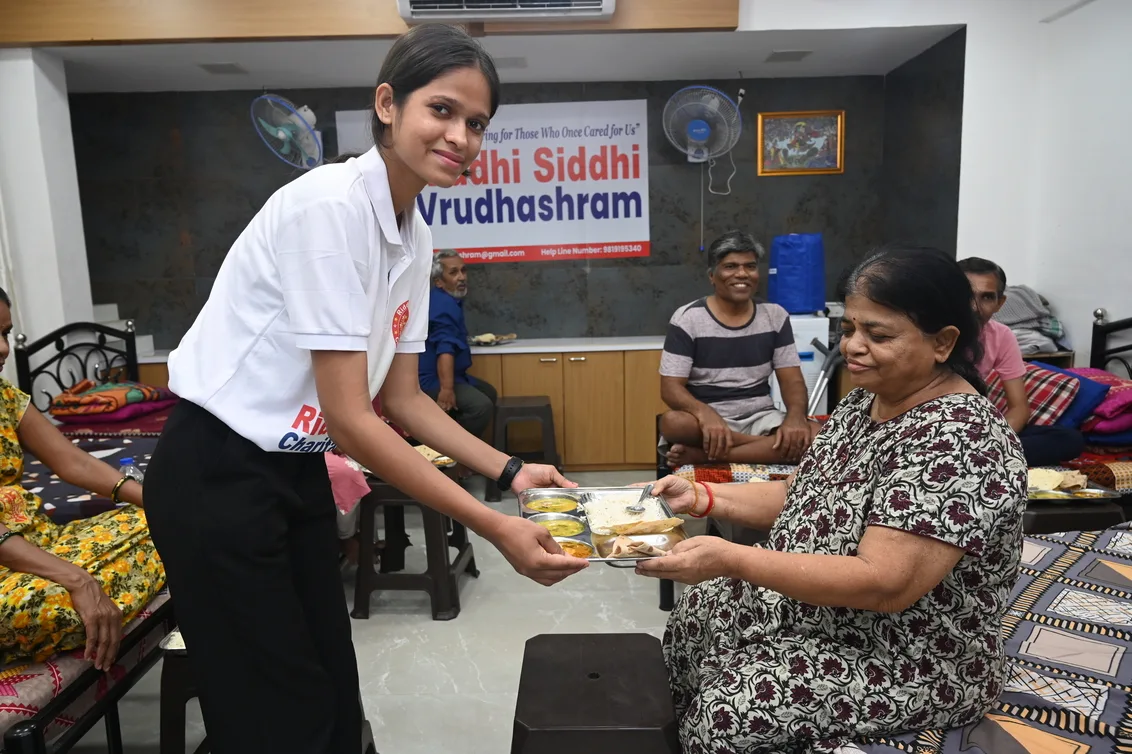
The role of an old age home ngo has become increasingly significant as societies experience rapid urbanization, changing family structures, and longer life expectancy. Many senior citizens today require emotional support, medical attention, companionship, and secure living arrangements that may not always be available at home. Community-driven initiatives dedicated to elderly care help bridge this gap by offering compassionate services that allow older adults to live with dignity, independence, and respect.
Growing older brings wisdom, experience, and countless memories, but it may also introduce challenges such as declining health, loneliness, financial insecurity, or limited mobility. These difficulties can affect an individual's quality of life if adequate care and support are unavailable. Organizations dedicated to elderly welfare work to ensure that aging does not become a burden but rather a stage of life filled with comfort, security, and meaningful human connection.
Modern elderly care extends beyond simply providing accommodation. Comprehensive support includes nutritious meals, clean living environments, regular health monitoring, recreational activities, mental wellness programs, and opportunities for social interaction. Such services encourage seniors to remain physically active while promoting emotional stability and a sense of belonging. A supportive environment can significantly reduce feelings of isolation and improve overall well-being.
Healthcare remains one of the most essential aspects of senior care. Aging often increases the likelihood of chronic conditions, reduced mobility, vision problems, and age-related illnesses. Regular medical checkups, medication management, emergency response systems, and rehabilitation support contribute to healthier and more comfortable lives. Preventive healthcare also plays a valuable role by identifying potential concerns before they become serious complications.
Emotional wellness deserves equal attention. Many elderly individuals experience loneliness after retirement, the loss of loved ones, or reduced family interaction. Group activities, cultural celebrations, reading sessions, music therapy, gardening, yoga, and light exercise encourage social engagement while improving mental health. Even simple daily conversations and companionship can positively influence confidence and happiness.
Nutrition is another vital component of elderly care. Balanced diets rich in essential vitamins, proteins, fiber, and minerals help maintain immunity, strengthen bones, and support overall health. Meal plans designed according to individual medical needs can assist seniors in managing conditions such as diabetes, hypertension, or digestive disorders while ensuring they receive adequate nourishment.
Safety and accessibility are equally important. Elder-friendly living spaces typically include handrails, wheelchair-friendly pathways, non-slip flooring, emergency assistance systems, and well-lit surroundings. These features help reduce accidents while allowing residents to move independently and confidently. Creating a secure environment enables seniors to maintain their dignity without unnecessary dependence on others.
Community participation strengthens elderly welfare initiatives. Volunteers contribute valuable companionship by spending time with residents, organizing educational sessions, celebrating festivals, or simply listening to life stories. Students, professionals, healthcare workers, and local communities can all make meaningful contributions through their time, skills, or resources. Such interactions foster intergenerational understanding and reinforce the importance of respecting older adults.
Financial contributions also support the expansion of elderly care services. Donations help provide food, healthcare, medical equipment, comfortable accommodation, hygiene supplies, recreational activities, and emergency assistance. Transparent management and responsible resource utilization enable welfare organizations to extend their reach and improve the quality of care for more senior citizens in need.
Families also play a critical role in promoting healthy aging. Even when professional care is necessary, maintaining regular communication, frequent visits, and emotional involvement reassures elderly loved ones that they remain valued members of the family. Strong relationships contribute significantly to mental health and reinforce feelings of love, security, and belonging.
As global populations continue to age, the demand for compassionate eldercare solutions will continue to grow. Societies that prioritize dignity, respect, healthcare, and emotional well-being for older adults create stronger and more inclusive communities. Supporting initiatives focused on senior welfare reflects a shared commitment to humanity, ensuring every individual can experience comfort, purpose, and compassion during the later stages of life.