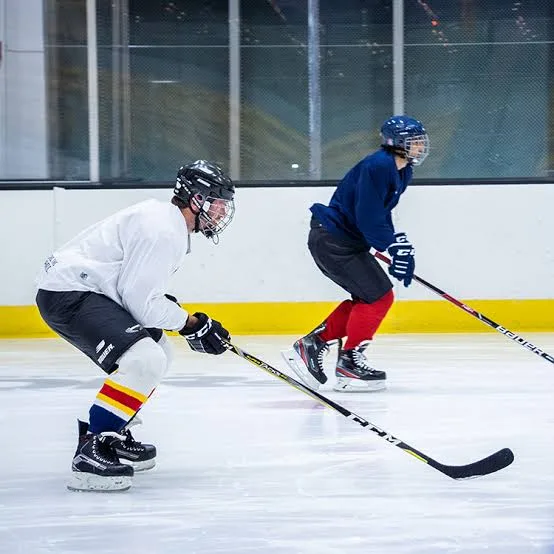
Hockey performance depends on more than skating ability and puck control. Players also need strength, balance, speed, endurance, and the ability to make quick decisions under pressure. Off ice hockey training Edmonton is an important part of player development because it helps athletes build the physical abilities and movement patterns required for competitive hockey without spending every training session on the ice.
Off-ice preparation can benefit beginners, youth players, recreational athletes, and experienced competitors. A well-planned routine combines strength exercises, mobility work, coordination drills, and conditioning to support performance during games. Understanding how these elements work together helps players develop a sustainable training schedule and reduce the risk of avoidable injuries.
What Is Off-Ice Hockey Training?
Off-ice hockey training refers to physical exercises and skill-development activities performed away from the rink. These sessions are designed to improve qualities that contribute to hockey performance, including lower-body power, core stability, reaction time, and cardiovascular fitness.
Unlike on-ice practice, which focuses directly on skating, passing, shooting, and game situations, off-ice training develops the physical foundation that supports those skills.
Common activities include:
- Squats, lunges, and other lower-body strength exercises.
- Core exercises for balance and body control.
- Short sprints and acceleration drills.
- Jumping and landing exercises for power.
- Mobility routines for the hips, ankles, and shoulders.
- Stickhandling and reaction drills performed on a suitable dryland surface.
The best training plan depends on the player's age, experience, current fitness level, injury history, and competition schedule.
Why Is Off-Ice Training Important for Hockey Players?
Hockey involves repeated accelerations, rapid changes of direction, physical contact, and short periods of intense effort. Players must perform these movements while maintaining balance and making decisions in crowded spaces.
Off-ice preparation helps develop the physical qualities needed for these demands.
Building Strength and Power
Leg strength supports acceleration, stability, and the ability to maintain position during physical challenges. Exercises such as squats, split squats, and step-ups can help develop lower-body strength.
Explosive movements, including controlled jumps, may improve power when introduced at an appropriate level. Beginners should learn proper landing mechanics before attempting high-intensity plyometric exercises.
Improving Speed and Agility
Hockey players frequently accelerate over short distances and change direction quickly. Sprint drills, lateral movements, and planned change-of-direction exercises can help develop these abilities.
Good agility also involves controlling the body before accelerating in another direction. Players should focus on movement quality rather than simply completing drills as quickly as possible.
Developing Balance and Coordination
Balance helps players control their bodies during turns, contact, and transitions. Single-leg exercises, controlled lateral movements, and core-strengthening activities can support stability.
Coordination drills can also improve the ability to combine footwork, hand movements, and visual attention.
Supporting Endurance
A hockey game requires repeated bursts of effort separated by recovery periods. Interval training can help players develop the ability to perform repeated high-intensity efforts.
Conditioning should reflect the player's age, current fitness, and training workload. Excessive conditioning can create fatigue that interferes with skill development and recovery.
Essential Components of an Effective Training Program
A balanced program includes several training elements instead of concentrating exclusively on strength or cardio.
Strength Training
Strength training develops the muscles used for acceleration, stability, and physical control.
Useful exercises include:
- Goblet squats.
- Reverse lunges.
- Romanian deadlifts with appropriate resistance.
- Push-ups.
- Rows using resistance bands or suitable equipment.
- Planks and side planks.
Beginners can start with two sets of each exercise, using a manageable number of repetitions while maintaining proper technique. The load and volume can gradually increase as strength and movement quality improve.
Young athletes should receive age-appropriate instruction and supervision, particularly when learning exercises with external weights.
Plyometric Training
Plyometric exercises involve rapid muscle actions that help develop explosive power. Examples include squat jumps, small lateral hops, and controlled single-leg landing progressions.
These exercises require good technique and adequate recovery. Start with low volumes and focus on landing softly with the knees aligned appropriately over the feet.
Plyometrics are not necessary in every session, and athletes with pain or recent injuries should seek suitable professional guidance before adding them.
Speed and Agility Drills
Short sprints, lateral shuffles, cone drills, and controlled deceleration exercises can help improve acceleration and movement control.
For example, a player might sprint five to ten metres, slow down under control, and return to the starting point after resting. The emphasis should be on quality repetitions rather than continuous exhaustion.
Mobility and Flexibility
Hockey requires the hips, ankles, and upper body to move through useful ranges of motion. Mobility exercises may help players prepare for training and maintain comfortable movement.
Examples include ankle rocks, controlled hip rotations, dynamic leg swings, and thoracic rotations.
A short dynamic warm-up is generally more suitable before intense exercise than long periods of static stretching alone.
How to Structure Off-Ice Hockey Training in Edmonton
A practical training plan should balance exercise intensity, technical practice, and recovery. Players in Edmonton may need to coordinate indoor training with ice sessions, school, work, and seasonal competitions.
The goal is to create a routine that can be maintained consistently.
How to Choose a Hockey Training Academy
Players researching a Hockey Training Academy in Canada should evaluate the structure and suitability of the training program rather than focusing only on its intensity.
Check Coaching Qualifications and Experience
Look for coaches who understand hockey-specific movement, strength development, and age-appropriate training. Ask how exercises are modified for beginners and how technique is monitored.
Review the Training Environment
The facility should have appropriate equipment, safe training surfaces, adequate space, and clear procedures for supervising athletes.
Understand the Program Structure
A useful program should explain its training objectives, session frequency, progression methods, and recovery expectations. Players should understand how off-ice sessions fit alongside their existing hockey commitments.
Consider Individual Needs
A young beginner may need to develop basic movement skills, while an experienced player may benefit from a more structured strength and power program. Training should reflect these differences.
Actionable Tips for Better Training Results
Small adjustments can make off-ice preparation more consistent and productive.
Start with a warm-up. Spend approximately five to ten minutes on light movement and dynamic mobility before demanding exercises.
Prioritize technique. Perform fewer repetitions correctly instead of rushing through exercises with poor form.
Progress gradually. Increase only one or two training variables at a time, such as resistance, repetitions, or sprint volume.
Track your sessions. Record exercises, sets, repetitions, and perceived effort to identify progress and manage workload.
Include recovery. Adequate sleep, regular meals, hydration, and rest days support adaptation to training.
Practice hockey-specific skills. Combine general physical preparation with suitable stickhandling and coordination drills.
Pay attention to pain. Normal exercise fatigue is different from sharp or persistent pain. Stop movements that cause pain and seek professional assessment when symptoms continue.
Common Off-Ice Training Mistakes
One common mistake is assuming that harder training always produces better results. Excessive intensity can compromise technique, recovery, and performance.
Another is neglecting upper-body strength, core stability, or mobility while concentrating exclusively on leg exercises. Hockey requires coordinated movement throughout the body.
Players may also perform advanced jumping or sprinting drills before developing adequate strength and movement control. A progressive approach is safer and more sustainable.
Finally, off-ice training should complement on-ice practice rather than leave players too fatigued to develop their hockey skills.
People Also Ask About Off-Ice Hockey Training
What is the best off-ice training for hockey players?
A balanced routine includes lower-body strength, core stability, speed, agility, mobility, and conditioning. The best combination depends on the player's age, experience, and current training schedule.
How many days a week should hockey players train off the ice?
Many players can begin with two or three structured sessions per week. The ideal frequency depends on age, fitness, ice time, competition demands, and recovery.
Can off-ice training improve skating speed?
It can improve physical qualities that contribute to skating speed, including strength, power, and acceleration. Actual skating technique still requires practice on the ice.
Can beginners do dryland hockey training?
Yes. Beginners can start with bodyweight exercises, balance drills, light coordination work, and basic conditioning. Exercises should progress as technique and fitness improve.
Is strength training safe for young hockey players?
Age-appropriate strength training can be suitable when exercises are taught correctly, resistance is appropriate, and qualified supervision is available. Technique and gradual progression should come before heavy loads.
Frequently Asked Questions
Do hockey players need gym equipment?
No. Bodyweight squats, lunges, push-ups, planks, and running drills can develop several important physical qualities. Resistance bands, dumbbells, and other equipment can provide additional options as training progresses.
Does off-ice training replace skating practice?
No. It supports physical preparation but cannot replace the skating technique, puck control, and game awareness developed through on-ice practice.
How long should an off-ice hockey workout last?
A focused session may last approximately 30–60 minutes, including the warm-up and recovery period. Duration should depend on the training objective, athlete's experience, and overall workload.
When should players change their training program?
Programs can be adjusted when goals change, progress slows, competition schedules shift, or recovery becomes difficult. Periodic reviews help ensure the exercises remain appropriate.
Off-ice preparation is an important part of long-term hockey development. A well-structured approach combines strength, speed, coordination, conditioning, mobility, and recovery while allowing enough time for on-ice practice.
Players exploring off ice hockey training Edmonton should prioritize consistent effort, sound technique, gradual progression, and a schedule that reflects their individual needs. These principles provide a practical foundation for improving physical readiness and supporting continued hockey development.
Pro Stride Hockey