
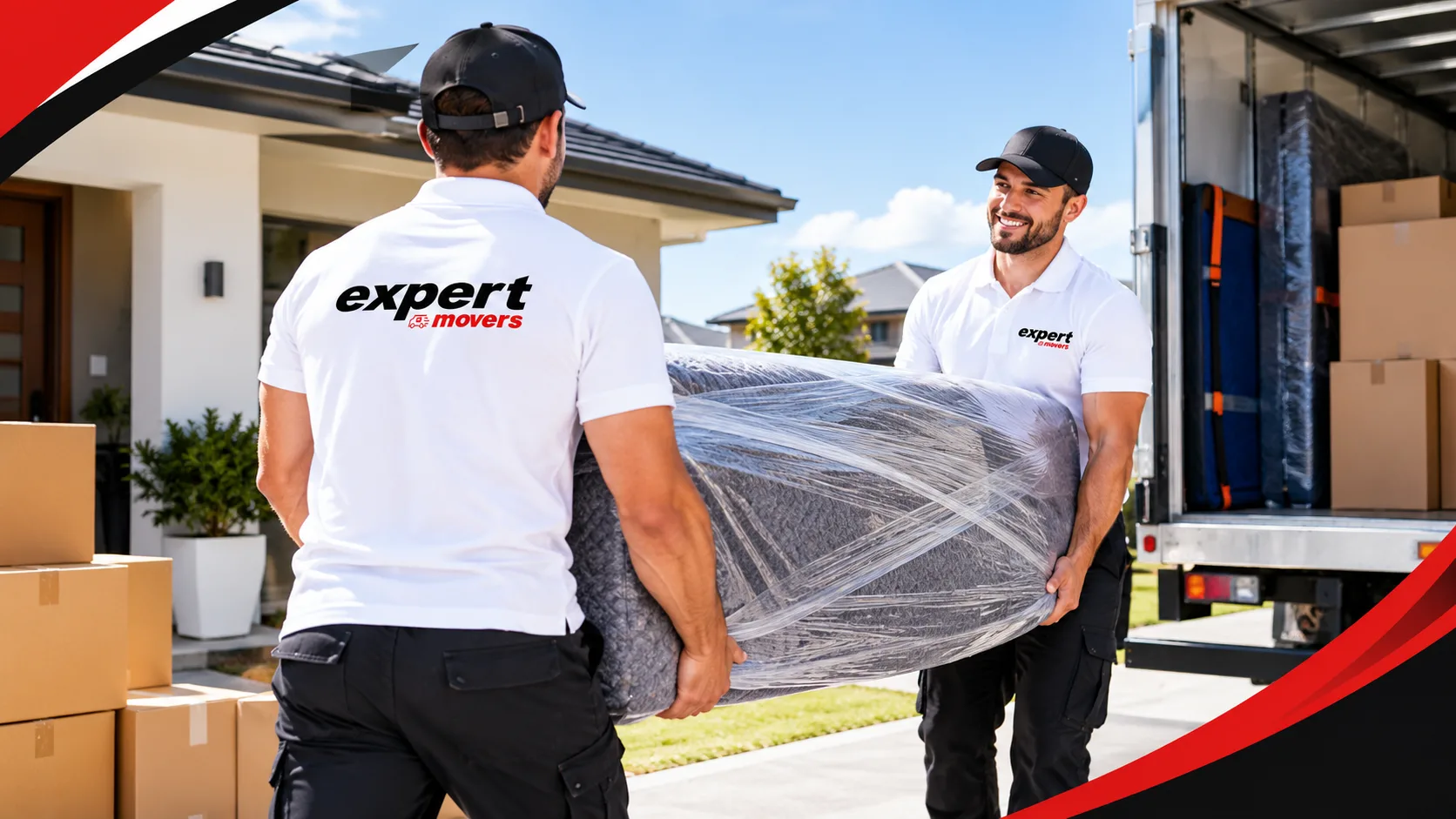
Moving to a new home requires time, effort and proper organisation. From packing household belongings to arranging transportation, every stage needs attention to avoid unnecessary delays. Choosing reliable Removalists Aspendale-Gardens can help make the process easier, whether you are moving a small apartment, a family home or a few large furniture items. With the right preparation, you can protect your belongings and manage moving day with greater confidence. It is helpful to compare your requirements, organise your packing schedule and prepare furniture before the moving team arrives. A clear plan also makes it easier to handle unexpected situations. By combining practical preparation with suitable moving assistance, you can enjoy a smoother relocation and spend more time settling comfortably into your new home.
Make Your Moving Arrangements Early
Leaving everything until the last minute can create unnecessary pressure. Start by choosing a moving date and deciding which tasks need to be completed before then. Write down important activities such as packing, cleaning, preparing furniture and arranging transportation.
Booking moving assistance early can also help you organise your schedule. Share details about the size of your property, the number of belongings and any large items that require special handling. This information helps establish what support may be needed.
If your moving date is flexible, consider discussing different available dates with your moving provider. Planning ahead gives you more time to prepare and reduces the chance of overlooking important details.
Sort Your Belongings Before Packing
Before placing everything into boxes, take time to review your household belongings. Many homes contain unused clothing, old appliances, unwanted decorations and other items that are no longer needed.
Separate these belongings into categories such as keep, donate, sell and dispose. This helps reduce the number of items that need to be packed and transported.
Decluttering also makes unpacking easier because you will have fewer unnecessary things to organise at your new property. Items that remain can be grouped according to their purpose or the room where they will be used.
A little sorting before moving day can save considerable effort later.
Pack Household Items With Care
Packing is easier when you work through one room at a time. Begin with items you rarely use, including books, seasonal clothing, decorative pieces and spare kitchen equipment.
Choose strong boxes that are suitable for the weight of their contents. Avoid making boxes too heavy, as this can make them difficult to carry. Use appropriate protective materials for delicate items and fill empty spaces to reduce movement during transportation.
Clearly label each box with its destination room and a brief description. For example, a box marked “Kitchen – Cooking Equipment” will be easier to identify than an unlabelled container.
For more guidance, read these practical home packing tips when preparing your belongings for relocation.
Give Furniture the Attention It Needs
Large furniture can require additional preparation before it can be moved safely. Empty wardrobes, cabinets, desks and drawers before handling them. Remove loose shelves where necessary and keep small fittings in labelled bags.
Measure large furniture and check whether it can pass through doorways, hallways and staircases. This is particularly useful when moving bulky sofas, beds, dining tables and wardrobes.
If an item needs to be dismantled, take photographs before removing its components. Keeping screws and fittings together can make reassembly much easier.
For oversized or difficult-to-handle belongings, consider arranging professional furniture removal services that suit your moving requirements.
Protect Fragile and Valuable Possessions
Some belongings need more protection than ordinary household items. Glassware, mirrors, electronic equipment, artwork and decorative pieces should be packed carefully to reduce the risk of damage.
Wrap delicate items individually where appropriate and use suitable cushioning inside the boxes. Mark the containers clearly so fragile contents can be identified during handling.
Keep jewellery, important documents, personal identification and other valuable possessions in a secure place. Rather than mixing them with general household goods, consider transporting important personal items yourself.
Taking photographs of valuable belongings before the move can also provide a useful record of their condition.
Prepare Your New Home Before Arrival
A successful relocation involves preparing both the property you are leaving and the one you are entering. If possible, clean your new home before the furniture and boxes arrive.
Think about where major furniture pieces will be placed. Decide which room should receive each box and make sure entrances and pathways remain clear.
If you are moving into an apartment or residential complex, check any requirements for vehicle parking, lift access or shared spaces. Confirming these arrangements beforehand can help prevent delays.
When the moving team knows where items should go, unloading becomes more organised and you can avoid shifting heavy furniture repeatedly.
Keep Moving-Day Essentials Close
You may not have time to unpack every box immediately after arriving. Preparing a separate essentials bag can make your first day more comfortable.
Include phone chargers, toiletries, basic clothing, towels, snacks, drinking water, important documents and any essential medication. Keep house keys and other important personal items easily accessible.
It is also useful to prepare basic cleaning supplies and a few kitchen essentials so you can manage simple tasks without opening multiple boxes.
If children or pets are part of your household, arrange a safe and comfortable space for them while furniture is being carried. This helps keep them away from busy pathways and open doors.
Choose Moving Assistance That Suits Your Situation
Every relocation is different. Some households need help with a complete home move, while others only require transportation for a few large belongings.
When comparing moving providers, ask about the services included, expected timing, access requirements and any additional charges. Make sure you understand the arrangements before confirming your booking.
Discuss fragile items, heavy furniture and any unusual access challenges in advance. Clear communication helps the moving team prepare for the job and gives you a better understanding of what to expect.
Choosing assistance that matches your actual requirements can make the relocation more manageable without adding unnecessary complications.
Complete a Final Check Before Leaving
Before departing, walk through every room and inspect cupboards, wardrobes, drawers, garages and outdoor areas. Small items can easily be forgotten when most of the property has already been cleared.
Check that windows and doors are secure and complete any cleaning or inspection tasks required by your rental agreement or property arrangements.
At your new home, check your belongings as they are unloaded. Refer to your inventory if you have prepared one, and make a note of any concerns that need attention.
These final checks help you finish the move in a more organised way.
Conclusion
Moving does not have to become an overwhelming experience when you prepare properly. Sorting your belongings, packing carefully, protecting furniture and organising property access can make a significant difference to your moving day.
If you are planning a relocation, Removalists Aspendale-Gardens can be a useful starting point when researching suitable professional moving support. Consider your household size, transportation needs and preferred schedule before choosing a service.
Start preparing early, keep important items accessible and communicate your requirements clearly to avoid preventable problems.
Plan Your Next Move With Confidence
Ready to organise your relocation? Visit Expert Movers to explore moving services and find out what support may suit your needs. Prepare your moving checklist, discuss your requirements and take the first step towards a more organised move.