
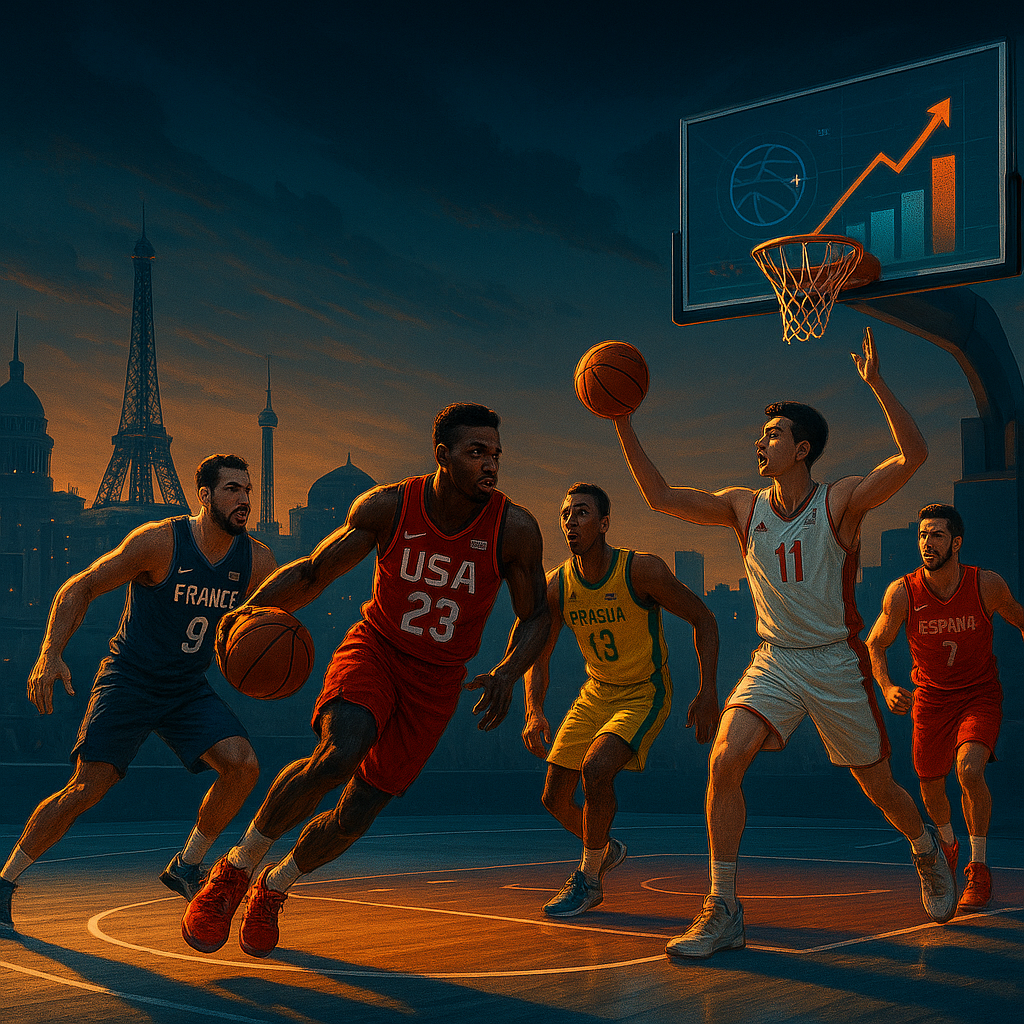
From Hardwood Roots to Global Phenomenon: A Snapshot of the NBA’s Rise
On a brisk evening in April 2026, the NBA Finals tipped off in a packed arena buzzing with fans from every continent. The sport, once a predominantly American spectacle, now commands a truly global audience, with over 1.4 billion viewers tuning in worldwide, according to recent league reports. This milestone reflects decades of transformation, innovation, and strategic positioning that have elevated the NBA far beyond its original scope.
The league’s journey from a regional basketball competition in the 1940s to an international cultural force is marked by pivotal moments and visionary leadership. The 2026 season, in particular, illustrates how the NBA has adapted to changing technologies, shifting fan expectations, and evolving player dynamics to maintain its dominant stature in sports entertainment.
Understanding the NBA’s current stature requires revisiting its foundational shifts, from early integration efforts and the global player influx in the 1990s to the recent embrace of digital media and analytics-driven gameplay. This narrative is not just about basketball but about how a sports league can influence culture, technology adoption, and global connectivity.
"The NBA’s ability to blend tradition with innovation is what keeps it at the forefront of global sports culture," said Dr. Elaine Matthews, a sports historian and analyst.
Historical Context: Tracing the NBA’s Path to 2026
The NBA’s beginnings in 1946 were humble, with 11 teams primarily located in northeastern and midwestern U.S. cities. The league struggled for attention against baseball and football but gradually carved out a niche through fast-paced, high-scoring games.
Key historical milestones set the stage for the NBA’s modern era. The 1950s integration of African American players, such as Earl Lloyd and Bill Russell, challenged racial barriers and redefined the league’s cultural relevance. The 1980s and 1990s saw the NBA explode in popularity through charismatic superstars like Magic Johnson, Larry Bird, Michael Jordan, and later Kobe Bryant and LeBron James, who transcended sports to become global icons.
In the early 2000s, the NBA aggressively pursued international markets. The influx of international players—Dirk Nowitzki, Yao Ming, and Giannis Antetokounmpo—helped the league tap into new fan bases. Broadcast partnerships expanded globally, while digital platforms began changing how fans consumed content.
The 2010s and early 2020s introduced analytics and advanced technology deeply into team strategies. Player tracking data, AI-driven scouting, and virtual reality experiences became commonplace. Alongside this, the NBA’s social justice initiatives and community engagement efforts broadened its appeal and responsibility beyond the court.
By 2026, the NBA is an ecosystem that blends tradition and future-forward thinking, shaping not just basketball but cultural conversations worldwide.
Data-Driven Dynamics: The NBA’s On-Court and Off-Court Transformation
Statistics underline the NBA’s evolution in gameplay, fan engagement, and business. The 2025-2026 season highlighted several trends that illustrate how the league has matured into a technologically savvy and commercially robust enterprise.
On the court, three-point shooting continues its dominance. The average team attempts 42 three-pointers per game, a 12% increase from five years ago. This shift reflects a strategic evolution influenced by advanced analytics that prioritize spacing and efficiency.
Player development has also benefited from biometric monitoring and AI-driven training regimens. Teams now use real-time health data to optimize performance and reduce injuries, resulting in fewer missed games by star players than in any previous decade.
Business-wise, the NBA’s revenue surpassed $15 billion in 2025, fueled by global media rights deals and immersive fan experiences. The league’s digital ecosystem includes NFT collectibles, interactive metaverse arenas, and AI-enhanced personalized content, engaging younger demographics worldwide.
- Average player salary: $10.7 million, up 8% from 2021
- Global fan base growth: 7% CAGR (compound annual growth rate) since 2020
- Merchandise sales: $3.2 billion annually, with Asia leading growth
- Social media engagement: NBA leads all sports leagues with 1.2 billion monthly interactions
These numbers confirm the NBA’s dual focus on athletic excellence and innovative fan engagement, reinforcing its status as a pioneer in sports business.
Legendary coach Pat Riley recently remarked, "The game has changed, but the passion remains. The NBA today is a perfect blend of skill, science, and spectacle."
2026 Spotlight: Key Developments Defining the NBA’s New Era
The current NBA season encapsulates exciting shifts in leadership, competition, and culture. The league’s commitment to sustainable growth is evident in several 2026 highlights.
The introduction of the NBA Global Expansion Initiative has added two new teams based in Mexico City and Lagos, Nigeria, marking the first franchises outside the U.S. and Canada. These additions reflect the league’s strategic focus on emerging markets and diverse talent pools.
Technological innovation remains central. The NBA’s partnership with leading AI firms has enhanced officiating accuracy with real-time foul detection and automated replay systems that reduce game interruptions. Fans can now access mixed reality broadcasts, allowing them to experience games courtside from their living rooms.
Player empowerment continues, with the 2026 Collective Bargaining Agreement emphasizing mental health resources, flexible contract structures, and increased revenue shares. This shift has led to improved player satisfaction and retention.
Off the court, initiatives promoting social justice and environmental responsibility have expanded. The NBA’s Green Courts program, launched in 2024, has retrofitted all arenas with sustainable energy solutions, aiming for carbon neutrality by 2030.
- New franchises: Mexico City Aztecs, Lagos Warriors
- AI-assisted officiating: Implemented league-wide in 2025
- Fan engagement: Over 50% of games streamed via immersive VR platforms
- Mental health programs: Mandatory for all teams starting 2026 season
These developments underscore the NBA’s proactive approach to challenges and opportunities shaping professional sports today.
Perspectives from Experts: Industry Leaders on the NBA’s Impact
Experts across sports, business, and culture weigh in on the NBA’s trajectory and influence. According to Jessica Lin, CEO of a leading sports analytics firm, "The NBA’s integration of technology with athleticism sets a new standard. It’s no longer just about players’ skills but how data and innovation amplify those skills."
Sports sociologist Dr. Marcus Reed highlights the NBA’s cultural resonance: "The league has become a platform for social dialogue, using its global reach to address issues from racial equality to climate change. This elevates its role beyond entertainment to social leadership."
From a commercial perspective, marketing strategist Ana Gomez points out, "The NBA’s brand strategy is unparalleled. Their seamless blending of local identities with a global narrative creates a loyal, diverse fan base that continues to grow year over year."
Furthermore, longtime NBA executive and former player Malik Thompson notes, "Players today are more than athletes; they’re influencers, entrepreneurs, and activists. The league’s support for this expanded role is key to its continued relevance."
"The NBA is redefining what a sports league can be—an agent of change, a technological innovator, and a cultural beacon," said Jessica Lin.
Looking Forward: What the Future Holds for the NBA
As the NBA approaches its 80th anniversary, the league’s future is shaped by both opportunity and challenge. Analysts anticipate continued expansion into new global markets, with potential franchises in Southeast Asia and Europe under consideration.
Technological integration will deepen, with speculative advances including AI-driven personalized coaching for fans and players, and blockchain-based ticketing systems enhancing security and resale transparency.
On the competitive front, the balance between veteran experience and young talent will remain a dynamic factor. The rising influence of collegiate and international feeder systems ensures a steady pipeline of innovative playing styles and personalities.
Social responsibility will likely expand, with the NBA investing in community programs addressing education, mental health, and environmental stewardship worldwide.
- Expansion plans: Focus on Asia and Europe by 2030
- Technological adoption: AI and blockchain integration in fan experience
- Talent development: Enhanced global scouting and youth academies
- Social impact: Increased investments in global community initiatives
For fans and stakeholders, these trends offer a blueprint for sustained growth and innovation. The NBA’s ongoing transformation not only enriches the sport but also reinforces its role as a catalyst in global culture and technology.
For readers interested in the NBA’s strategic transformations and leadership influences, see our previous analyses on How the NBA’s 2026 Transformation is Shaping Basketball’s Future and How Values-Driven Leadership Transformed an NBA Team into Champions.