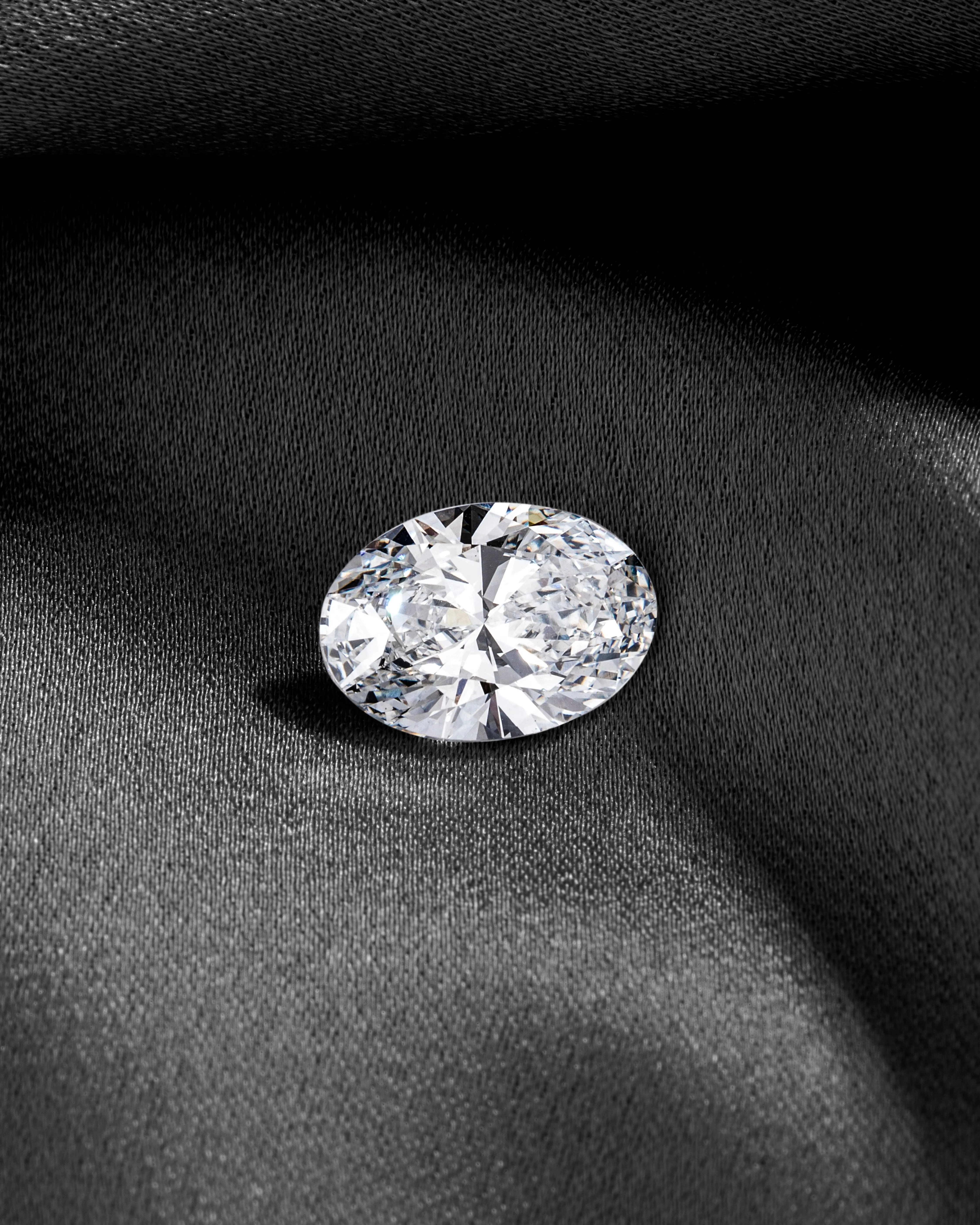
Natural loose diamonds are a popular choice for people who want to create personalized jewelry or select a diamond before choosing its setting. These diamonds form naturally beneath the Earth's surface over geological periods and are extracted, cut, and polished for use in jewelry. Buying a loose diamond allows you to evaluate its quality, shape, size, and price before deciding how it will be set.
Whether you are shopping for an engagement ring, a wedding ring, a pendant, or a pair of earrings, understanding natural loose diamonds can help you make a more informed purchase. Instead of choosing a finished piece of jewelry, you can focus on the individual stone and find one that suits your style and budget.
Before buying, it is important to understand diamond quality, certification, pricing, and the differences between natural and lab-grown diamonds.
What Are Natural Loose Diamonds?
Natural loose diamonds are diamonds that have formed naturally within the Earth and have not yet been permanently mounted in jewelry. After mining, suitable rough diamonds are cut and polished to bring out their appearance and prepare them for jewelry designs.
The term loose refers to the diamond's unmounted condition, not its quality or origin. A loose diamond can be small or large, colorless or fancy-colored, and available in various shapes and grades.
These diamonds offer flexibility because buyers can choose a stone separately from its setting. This is particularly useful when designing custom engagement rings or selecting a diamond for an existing jewelry piece.
Why Choose Natural Loose Diamonds for Jewelry?
Purchasing a loose diamond gives you greater control over the selection process. You can compare individual stones and decide which characteristics matter most before investing in a finished design.
Freedom to Customize Your Jewelry
One of the main advantages of buying a loose diamond is the ability to choose your preferred setting afterward. You can select a solitaire, halo, bezel, or pavé setting based on your style and the diamond's shape.
For example, a round brilliant diamond can work well in a classic solitaire ring, while an oval diamond may complement an elongated setting. Choosing the stone first helps you build the rest of the design around its proportions and appearance.
More Control Over Your Budget
When shopping for a finished ring, the total price includes the diamond, setting, materials, and craftsmanship. Buying a loose stone allows you to evaluate the diamond separately and understand how much of your budget goes toward its quality.
You can then compare different diamonds and decide whether to prioritize carat weight, cut quality, color, or clarity. This approach can help you balance appearance and cost without paying extra for characteristics that are less important to you.
A Wider Range of Choices
Loose diamonds are available in many shapes, weights, and quality combinations. This makes it easier to explore options that match your design preferences rather than choosing from a limited selection of finished jewelry.
Understand the Four Cs Before Buying
The four Cs—cut, color, clarity, and carat weight—are essential when evaluating natural diamonds. Understanding each characteristic helps you compare stones fairly and determine which one offers the best combination for your needs.
Cut
Cut influences how effectively a diamond reflects and returns light. A well-cut diamond can display attractive brightness, fire, and sparkle.
For round brilliant diamonds, compare the available cut grades and review the stone's proportions. For fancy shapes such as oval, pear, and emerald, examine photographs, videos, and measurements because cut grading is not identical across all shapes.
Color
The standard GIA color scale ranges from D, representing colorlessness, to Z, representing increasing yellow or brown tint.
Higher color grades may cost more, but a slightly lower grade can still provide an appealing appearance. Compare diamonds of similar shape and size to understand whether a color difference is noticeable to you.
Clarity
Clarity describes inclusions inside a diamond and blemishes on its surface. The GIA clarity scale includes grades ranging from Flawless to Included.
A diamond does not always need the highest clarity grade to look attractive. Review its grading report and available magnified images to understand the visibility and location of any inclusions.
Carat Weight
Carat measures a diamond's weight rather than its exact visible size. Two diamonds with the same carat weight may look different because of their proportions and cutting styles.
Compare measurements as well as carat weight, particularly when choosing between different diamond shapes. This helps you understand the stone's actual dimensions before purchasing.
Popular Shapes of Natural Loose Diamonds
The shape of a diamond influences its overall appearance and the type of jewelry setting that suits it.
- Round brilliant: A classic choice known for its light performance and versatility.
- Oval: An elongated shape that can create an elegant appearance.
- Princess: A square-shaped option with a modern style.
- Emerald: A step-cut diamond with broad facets that emphasize clarity and transparency.
- Pear: A teardrop-shaped diamond suitable for distinctive jewelry designs.
- Cushion: A square or rectangular shape with softened corners.
- Radiant: A rectangular or square shape featuring brilliant-style faceting.
When comparing shapes, consider the jewelry design, preferred appearance, and available budget. The same carat weight can look different across shapes, so compare actual measurements rather than relying on weight alone.
Natural vs. Lab-Grown Loose Diamonds
Natural and lab-grown diamonds share the same fundamental chemical composition and crystal structure, but they have different origins. Natural diamonds form through geological processes within the Earth, while lab-grown diamonds are created using specialized technology.
The right option depends on your priorities.
Natural diamonds may suit buyers who:
- Prefer a diamond formed naturally in the Earth.
- Value natural origin as part of their jewelry choice.
- Want to compare stones based on natural-diamond market pricing.
Lab-grown diamonds may suit buyers who:
- Want to explore different sizes within a particular budget.
- Prefer a diamond created in a laboratory.
- Want to compare the price of lab-grown stones with natural alternatives.
Neither origin automatically determines the beauty of an individual diamond. Compare cut, color, clarity, measurements, documentation, and price within the relevant category before making a decision.
How to Buy Natural Loose Diamonds Online
Online shopping makes it possible to compare diamond specifications without visiting multiple jewelry stores. However, reviewing the available documentation and seller policies is essential before placing an order.
Follow these steps to make a more confident choice.
- Set your budget. Decide how much you want to spend on the diamond and any future setting.
- Choose a shape. Narrow your search according to the jewelry design you have in mind.
- Compare the four Cs. Evaluate cut, color, clarity, and carat weight together.
- Review the grading report. Look for a report from a recognized gemological laboratory and verify its details with the issuing organization.
- Examine images and videos. Inspect the individual diamond's appearance, including any visible inclusions.
- Check the seller's policies. Review returns, warranties, shipping, insurance, and payment conditions.
Diamond comparison resources such as diamondhedge can help shoppers explore available information and compare options according to their preferences.
What Affects the Price of Natural Loose Diamonds?
The price of a natural loose diamond depends on several factors rather than a single quality grade. Carat weight, cut, color, clarity, shape, grading documentation, and market conditions can all influence the asking price.
Larger diamonds often cost more, especially when they also have desirable color, clarity, and cut characteristics. Certain shapes may also have different pricing patterns because of demand and cutting considerations.
To compare prices effectively, look at diamonds with similar specifications. A lower-priced stone is not automatically a better deal, so examine its proportions, appearance, grading report, and return policy before deciding.
Conclusion
Natural loose diamonds offer flexibility, choice, and the opportunity to create personalized jewelry. By selecting the stone separately from its setting, you can compare quality characteristics, explore different shapes, and allocate your budget according to your priorities.
Before purchasing, evaluate the four Cs, review the diamond's measurements, verify its grading documentation, and understand the seller's policies. The best choice is not necessarily the largest or most expensive diamond, but the one that combines appealing appearance, reliable documentation, and a price that fits your needs.
Frequently Asked Questions
1. Are natural loose diamonds real diamonds?
Yes. Natural loose diamonds are real diamonds formed through geological processes within the Earth. The term loose simply means the stone is not permanently mounted in jewelry.
2. Are loose diamonds cheaper than finished engagement rings?
A loose diamond's price excludes the ring setting and its craftsmanship. The final cost of a completed ring depends on the diamond, setting materials, design, and labor.
3. Should I buy a certified natural loose diamond?
A grading report from a recognized gemological laboratory provides useful information about a diamond's characteristics. Verify the report and confirm that it corresponds to the specific stone you intend to purchase.
4. What is the best shape for a natural loose diamond?
There is no single best shape for everyone. Round, oval, princess, emerald, pear, and cushion diamonds offer different appearances, so choose according to your style and intended jewelry design.
5. Do natural loose diamonds retain their value?
Not necessarily. Resale value depends on factors such as diamond characteristics, market demand, purchase price, and selling conditions. A natural diamond should primarily be purchased for its intended use and personal appeal rather than an assumed investment return.