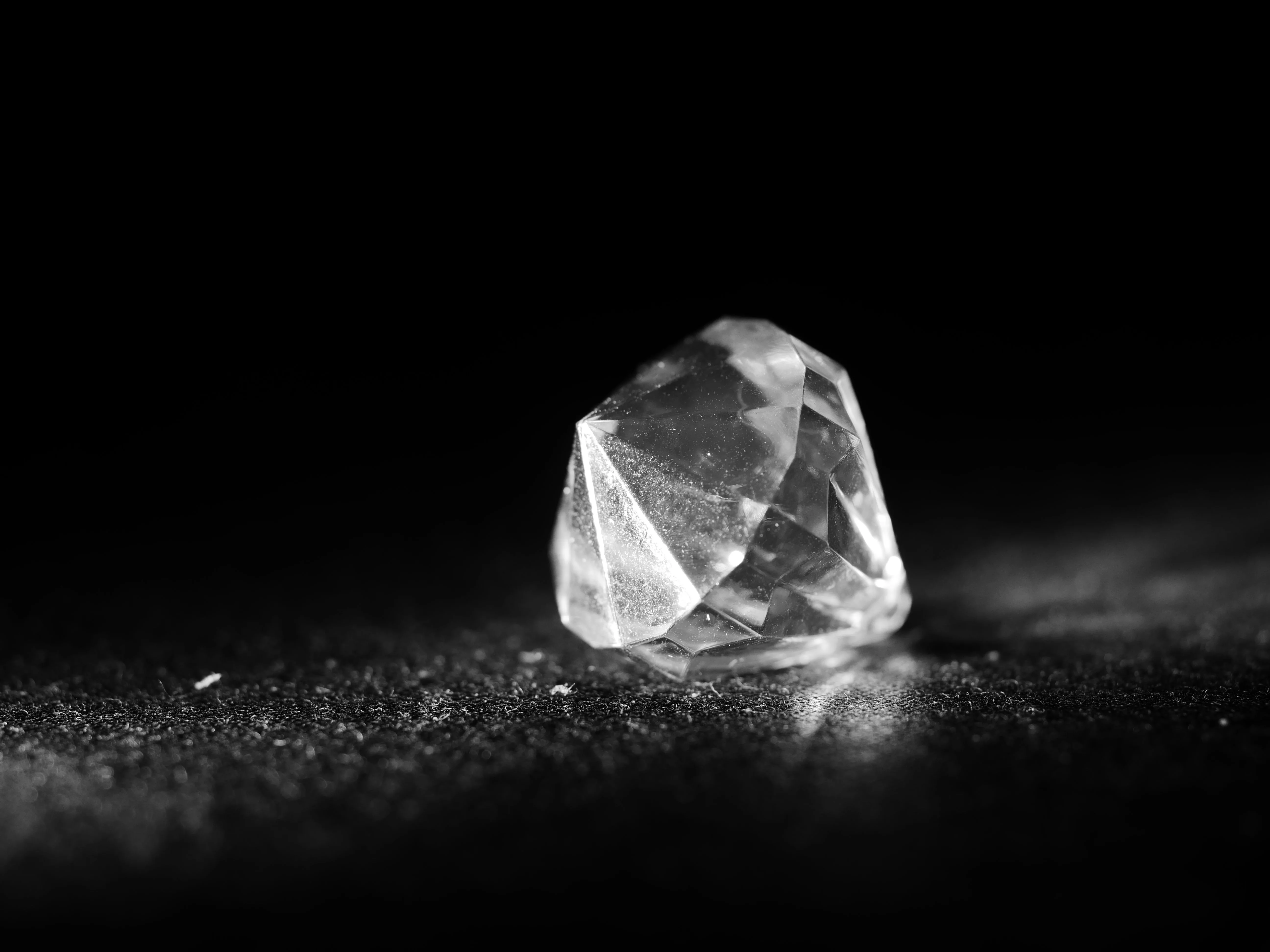
A diamond purchase often begins with a simple question: which stone is right for me? For many buyers, Natural Loose Diamonds offer the opportunity to examine the individual stone before it becomes part of an engagement ring, pendant, or other piece of fine jewelry.
Choosing a diamond before selecting the setting can provide more flexibility during the buying process. Instead of accepting a pre-selected combination of stone and jewelry design, buyers can focus on the characteristics that matter most to them. Size, shape, appearance, quality, and budget can all be considered separately before the final piece is created.
Natural diamonds also have a distinct geological history. They formed deep within the Earth over extremely long periods under intense heat and pressure. Once recovered and cut, each stone has its own combination of physical characteristics. Understanding these details can help buyers make a more informed and confident decision.
What Are Natural Loose Diamonds?
Natural Loose Diamonds are diamonds that formed through natural geological processes and are sold without being mounted in jewelry. They can be evaluated individually before being placed into a ring, pair of earrings, bracelet, or pendant.
Because the stone is not already attached to a setting, buyers can concentrate on its individual features. This makes it easier to compare different options and decide which characteristics deserve the greatest share of the budget.
Natural diamonds are available in a wide range of shapes, including round, oval, emerald, cushion, pear, radiant, princess, and marquise. Each shape has a different visual character and can influence how the diamond looks once it is set in jewelry.
For example, an oval or marquise shape may create a longer appearance, while a round diamond offers a classic look. An emerald cut has broad, step-like facets that create a different style of light reflection from a round or radiant-cut stone.
Why Buyers Choose a Natural Diamond
Every diamond buyer has different priorities. Some value geological origin, while others focus on appearance, rarity, tradition, or the personal meaning attached to the stone.
Choosing a natural diamond allows buyers to explore these preferences before making a final decision. Since diamonds can vary significantly, comparing individual stones is often more useful than relying only on a general description.
Two diamonds may have similar carat weights but look noticeably different because of their proportions or shape. Likewise, differences in cut quality can influence how effectively a diamond interacts with light.
A careful comparison helps buyers understand what they are paying for and which qualities make the greatest difference to the finished piece of jewelry.
Cut Plays an Important Role in Appearance
Cut is one of the most important factors to consider when evaluating a diamond. It affects how light moves through the stone and can influence brightness, sparkle, and overall visual appeal.
A larger diamond does not automatically look more attractive than a smaller one. A well-proportioned stone may produce a more balanced and lively appearance than a heavier diamond with less effective cutting.
When reviewing Natural Loose Diamonds, look beyond the basic shape. Measurements, proportions, and overall craftsmanship can all affect the way a diamond appears.
The preferred cut may also depend on personal style. Some buyers prefer intense sparkle, while others appreciate broader flashes of light or a clean, architectural appearance.
Understanding Color and Clarity
Color and clarity are useful parts of the diamond evaluation process, but buyers should understand how these factors affect visible appearance.
Diamond color generally refers to the presence or absence of noticeable color in a white diamond. Depending on the setting, lighting, and shape, small differences between grades may or may not be easily visible.
Clarity refers to internal features, known as inclusions, and surface characteristics called blemishes. Most natural diamonds contain some identifying characteristics.
The highest clarity grade is not always necessary for a beautiful stone. Many buyers look for a diamond that appears clean under normal viewing conditions rather than paying for characteristics that can only be seen under significant magnification.
Finding the right balance between these qualities can help buyers choose a diamond that suits both their expectations and their budget.
Carat Weight Is Only Part of the Picture
Carat weight measures how much a diamond weighs, but it should not be the only factor guiding a purchase.
The physical dimensions of a diamond can influence how large it appears from the top. Two stones with identical carat weights may have different measurements depending on their proportions and cutting style.
Buyers should consider the complete appearance of the stone rather than focusing only on a number. Comparing measurements alongside carat weight can provide a clearer understanding of visible size.
This approach can also help shoppers identify better value. In some cases, a carefully selected diamond with balanced proportions may provide a stronger visual impact than a heavier stone with less appealing dimensions.
Why Documentation Matters
Reliable documentation can provide important details about a diamond's characteristics. A grading report may include information about carat weight, measurements, color, clarity, cut, and other identifying features.
Before purchasing a diamond, buyers should review the available grading information and understand what it represents. Documentation can make it easier to compare different stones using consistent information.
It is also important to ask questions when details are unclear. A transparent buying process should give shoppers access to relevant information about the diamond they are considering.
Grading information, however, should be part of the overall evaluation rather than the only factor. Buyers should also consider the diamond's appearance, proportions, and suitability for the intended jewelry design.
Explore Natural Loose Diamonds with diamondhedge
Finding the right diamond can involve comparing many characteristics at the same time. diamondhedge provides buyers with an opportunity to explore diamond options and consider the details that influence appearance and value.
A thoughtful comparison process can make it easier to understand how shape, size, cut, color, and clarity work together. Rather than concentrating on a single grade or measurement, buyers can assess the complete combination of characteristics.
This approach is especially useful for those planning custom jewelry. Selecting the stone first can provide greater freedom when choosing the final setting and overall design.
Think About the Final Piece of Jewelry
The intended jewelry design should play a role in the diamond selection process. A diamond that looks appealing on its own may create a different effect once placed in a particular setting.
A solitaire design places the center stone at the heart of the piece, while a halo or multi-stone setting can change its overall appearance. Certain shapes may also require additional protection, particularly those with pointed edges or corners.
Considering the final design early can help buyers select a stone with suitable measurements and proportions. It can also make the process of matching the diamond with the right setting more straightforward.
Questions Worth Asking Before You Buy
Before making a final decision, consider asking the following questions:
- What characteristics have the biggest effect on this diamond's appearance?
- Are reliable grading details available for the stone?
- How do its measurements compare with similar diamonds?
- Does the diamond fit the planned jewelry design?
- Which quality factors matter most within my budget?
- Have I compared several similar options before deciding?
These questions can help buyers take a more practical and informed approach to diamond selection.
Conclusion
Choosing Natural Loose Diamonds gives buyers the freedom to focus on the stone before committing to a finished piece of jewelry. It creates an opportunity to compare shapes, proportions, carat weights, color, clarity, and other important characteristics based on individual preferences.
A successful diamond purchase is not simply about choosing the largest stone or the highest grade. It is about understanding how different qualities work together and deciding which combination offers the right appearance and value.
Take the time to review reliable information, compare multiple options, and consider how the diamond will work within the final jewelry design. With a clear understanding of the buying process, Natural Loose Diamonds can offer a flexible and meaningful starting point for creating a piece of jewelry that suits your style, priorities, and budget.