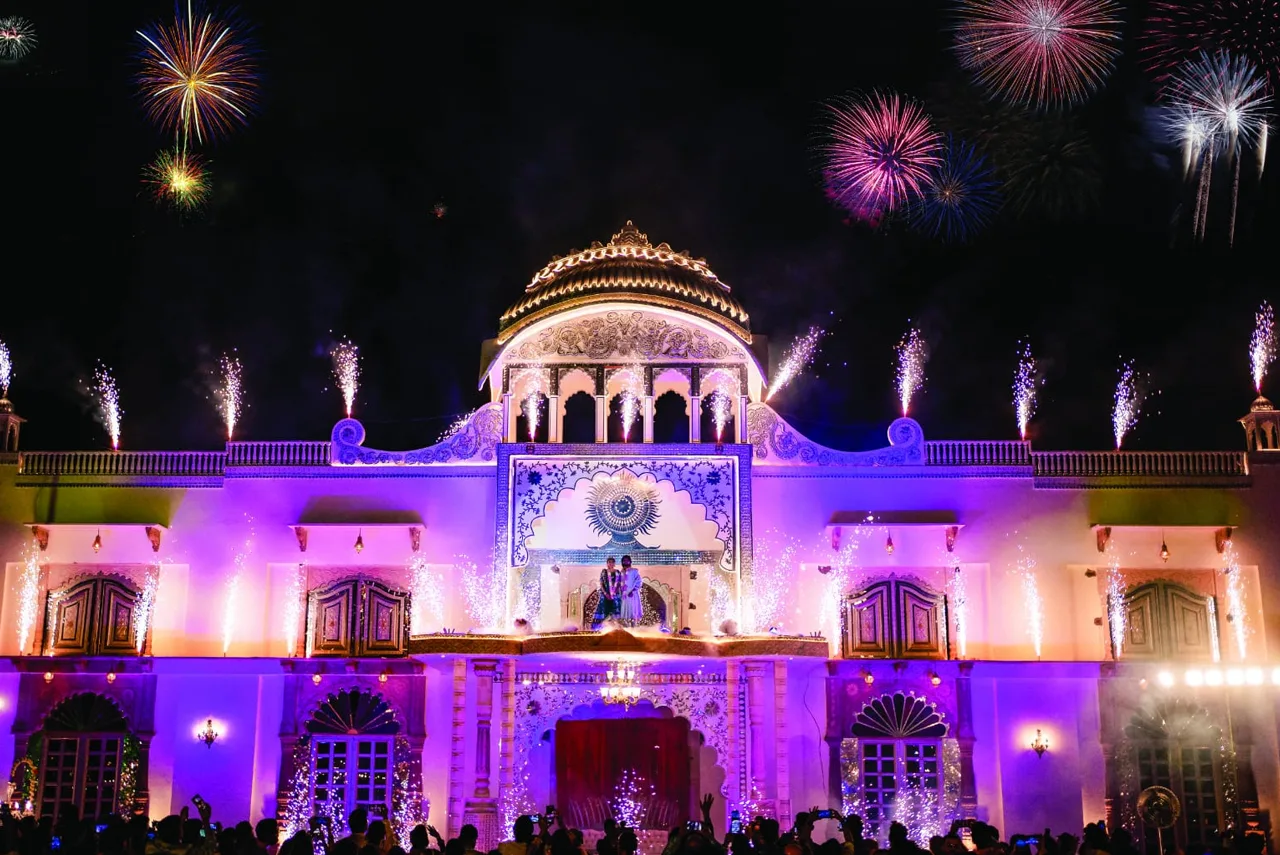
A multigenerational Jaipur wedding brings together people with different routines, energy levels and ideas of celebration. Children may be ready for activity long before dinner; grandparents may value a comfortable seat and a clear schedule; cousins may want a lively evening; and the couple may be balancing family expectations with their own plans. A wedding can make room for these differences without dividing everyone into separate celebrations.
The key is to plan shared moments that matter, then make the surrounding experience flexible. Guests do not all need to participate in every function in the same way. When the schedule, venue layout and communication account for real needs, family members are more likely to enjoy the time together.
Multigenerational Jaipur wedding planning starts with listening
Before confirming a schedule, ask a few trusted relatives what would help them attend comfortably. This is not a request to let every preference control the event. It is a way to catch practical needs early: mobility support, dietary requirements, quieter spaces, travel timing or an earlier meal for younger children.
Keep the questions focused. Ask whether a guest needs assistance moving between spaces, whether stairs or long walks could be difficult and whether a particular timing would be challenging. Invite guests to share information privately so no one has to explain personal needs in a group chat. A planner or designated family contact can collect details and pass them to the right people.
Use what you learn to create a realistic guest profile. A wedding of 100 people may include infants, teenagers, older relatives and guests travelling from far away. Their needs will not all be the same. Planning becomes more grounded when you picture the actual people attending instead of treating the guest list as a single group.
When comparing a multigenerational wedding venue in Jaipur, ask about distances between event spaces, available seating, washroom access and options for guests who need a quiet break. Also clarify how changes can be made if the weather or schedule shifts. The purpose is to understand what will work for your family.
Create a schedule with different energy levels
A multi-day wedding can offer variety, but it does not need to ask everyone to attend every event. Identify the moments that are central to the couple and families, then make optional gatherings easy to understand. Guests should know which events are formal and which are relaxed, what time they begin and whether they can join for part of an event.
Consider how energy changes across the day. A morning ceremony may suit some guests, while a late-night function may be difficult for others. If the family wants a lively evening, give older relatives a comfortable place to sit and a clear way to return to their rooms or transport. If young children are attending, let parents know whether there is a quieter area where they can step away.
Avoid putting the most important events too close together. Guests need time to change clothes, rest and move between spaces. The couple also benefits from breathing room. A schedule that allows small delays is more reliable than one that assumes every event will begin and end exactly on time.
Make the schedule easy to scan. Use plain language rather than creative names that leave guests guessing. Include the event time, location, attire and any key note. If a function is outdoors, say so. If footwear or sun protection matters, mention it. A clear schedule is a practical form of hospitality.
Make movement around the venue easier
A venue can look beautiful and still be challenging to navigate for some guests. Walk the route from arrival to each function as if you were seeing it for the first time. Check the distance from parking or drop-off points, the condition of paths, the location of seating and the amount of time it takes to reach the next event.
If the wedding uses different areas, make directions visible. Simple signs, a printed map or a guide at key points can prevent confusion. Avoid relying only on verbal instructions shared in a crowded room. Guests may not hear them, and new arrivals may miss the announcement.
For guests who need assistance, coordinate support discreetly. This might mean arranging a closer drop-off, reserving seats near an entrance or identifying a family member who can accompany them. Confirm the plan with the guest rather than making assumptions about what they need. That keeps the support useful and respectful.
Think about sound and temperature as part of comfort. Loud music can make conversation difficult, especially for guests with hearing challenges. Outdoor areas may become uncomfortable in heat or cool evenings. Provide indoor options or shaded seating where available, and make sure guests know where they can go for a quieter moment.
Give children structure without overprogramming them
Children are not simply miniature adults, and a wedding day can be long for them. Parents will decide what suits their children, but hosts can make that decision easier with clear information. Tell families how long the ceremony is expected to last, whether children are welcome at each function and what the meal arrangements will be.
A small activity space can help if it is supervised and placed where parents can reach it easily. Simple options such as drawing, quiet games or a short craft activity may be enough. Choose a location away from important speeches and ceremony sound. If professional childcare is being considered, confirm the staffing, timings, safeguarding arrangements and parent check-in process well in advance.
Avoid scheduling every child-focused activity during a moment the couple considers essential. Instead, give parents the information they need and make the event flexible. Some children may sit through the ceremony; others may need a break. An understanding plan keeps everyone calmer.
Food deserves attention as well. Ask parents about allergies and dietary requirements. If a children’s meal is planned, confirm whether it will arrive at a suitable time. Waiting until the end of a formal dinner may be difficult for younger guests and their families.
Preserve meaningful family traditions
A wedding often brings different branches of a family together. Rituals can help people feel connected, but the most memorable traditions are usually the ones with a clear meaning for the couple and relatives. Ask family members which customs matter most and what they would like younger generations to understand about them.
You do not have to include every tradition in every event. Choose a few moments and explain them briefly. A family member can share the background before a ritual, or the couple can add a short note to the programme. This helps guests participate with understanding instead of watching a series of unfamiliar actions.
If a tradition involves elders, consider how they will be positioned and whether they can take part comfortably. If it involves movement, music or a long period of standing, plan an alternative for relatives who prefer to observe. Participation should feel welcoming, not compulsory.
A Jaipur wedding celebration for families can also make room for newer rituals that reflect the couple’s own story. A shared toast, a family photograph, or a short message from each side can connect different generations without adding another lengthy function.
Help relatives connect across family circles
Guests often arrive knowing only one side of the couple. Give people low-pressure ways to meet. A relaxed welcome gathering can work better than a formal introduction of every guest. Table arrangements can bring together relatives with shared interests, while family hosts can introduce people who might enjoy talking.
Photography can become a shared activity, but be thoughtful about how it is organised. If the couple wants family portraits, create a list and assign someone to gather each group. Without a plan, photographs can take longer than expected and keep guests waiting. Include elder relatives and children early in the sequence when possible.
Consider giving guests time to simply sit together. Not every moment needs a performance, announcement or planned activity. Conversation often happens during unstructured time, especially when people have been given comfortable spaces and refreshments.
Finish with clear communication and a practical checklist
A few days before the wedding, send a concise update with final timings, location details and a contact for questions. If something changes, share the update through the agreed channel. Avoid scattering instructions across several messages where guests may miss the latest version.
For the planning team, confirm these details:
- Which events are essential, and which are optional?
- Are routes and seating suitable for the guests who need them?
- Have dietary needs and children’s arrangements been shared with the relevant teams?
- Can guests find the schedule, directions and support contact?
- Is there a plan for weather changes or timing delays?
A multigenerational wedding does not need separate programmes for every age group. It needs thoughtful choices that let different people take part at their own pace. When guests can find information, move comfortably and recognise the meaning behind the celebration, family differences become part of the richness of the day. Discuss your family’s requirements with your planner and venue team, then build the schedule around the people who will actually be there. A considerate Jaipur destination wedding can help generations share the same celebration in ways that feel natural to them.