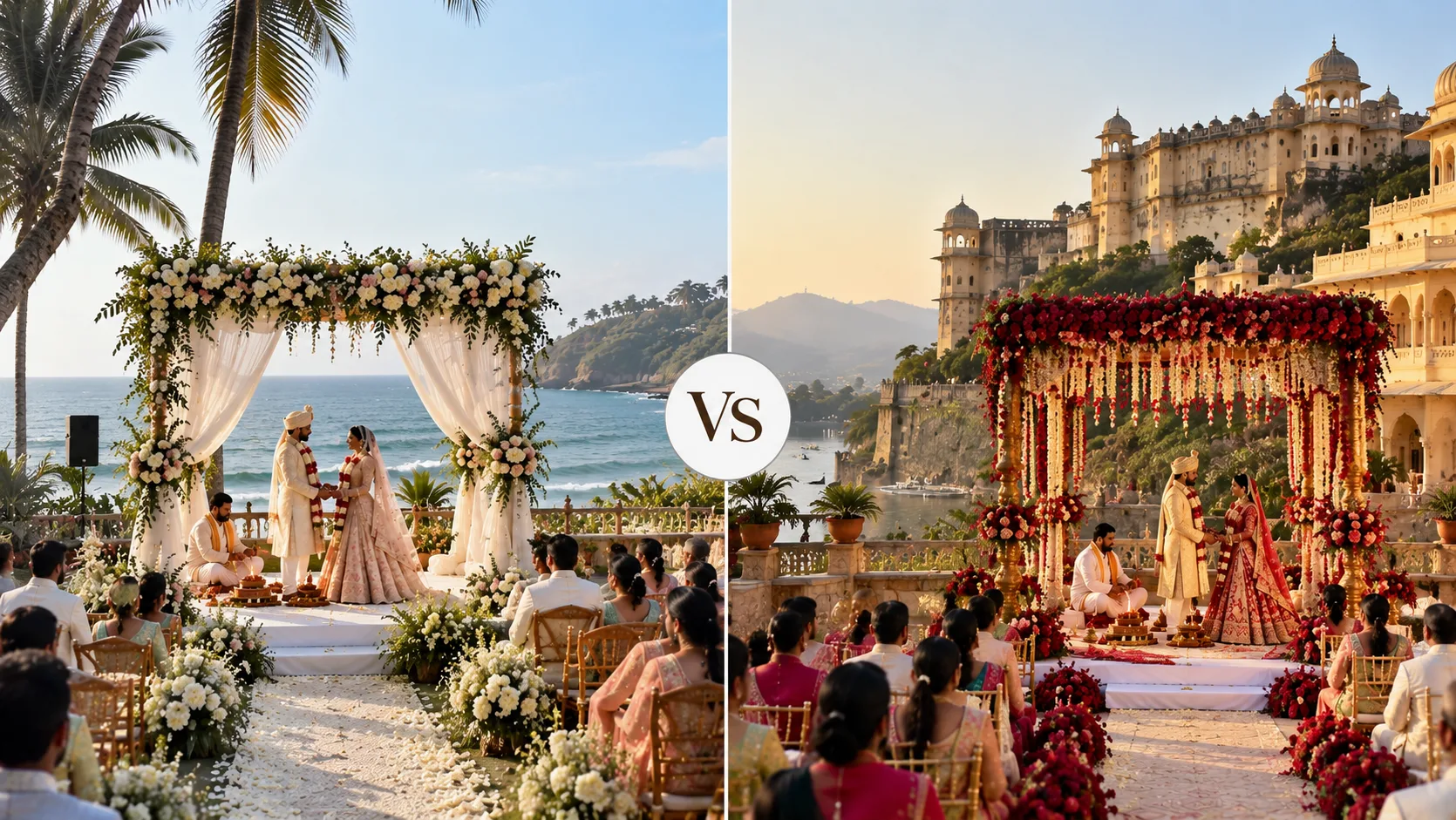
A multigenerational Bharatpur trip brings people with different interests, routines and energy levels into one shared plan. Grandparents may prefer a slower morning, children may want room to explore, and adults may be trying to balance sightseeing with time together. The trip becomes easier when the family chooses a few shared priorities and leaves enough flexibility for people to enjoy the visit in their own way.
Bharatpur offers a setting where a family can combine history, nature and unhurried time together. Staying at a historic property can provide a common point of reference, while the rest of the itinerary can be adapted to the group. The aim is not to make every person do everything. It is to create a visit where no one feels overlooked.
A multigenerational Bharatpur trip starts with the family’s needs
Before choosing daily activities, talk through the practical needs of the group. Ask whether anyone would benefit from shorter walking distances, more frequent rests, an earlier meal or a quieter break during the day. Find out if children have food allergies or if an older relative needs support with stairs or uneven paths. A private conversation is often more comfortable than asking people to explain their needs in a group.
Keep these questions practical and respectful. Do not assume that someone needs help based only on age. Ask what would make the visit more comfortable, then use the answer to shape the plan. If you are booking accommodation or arranging an activity, confirm details directly with the provider instead of relying on assumptions.
A family heritage stay in Bharatpur can give the group a shared setting. Mahal Khas Palace, built in 1826 and located within Lohagarh Fort, brings a historic context to a family visit. Since services and arrangements may vary, contact the property to confirm the details relevant to your group before finalising plans.
Choose a few shared priorities for each day
Trying to satisfy every interest in every hour can make family travel feel like project management. Instead, agree on one or two main priorities for each day. A morning activity might be the shared plan, followed by an open afternoon. Another day could focus on a visit everyone is interested in, with a meal together as the main gathering point.
Ask each generation to suggest one thing they would enjoy. Children might choose a nature-focused activity; older relatives may want a cultural visit or a relaxed meal; adults may value time to talk without rushing. You can then look for overlap. When a perfect match is not possible, rotate whose preference leads the day.
An itinerary should make it clear which activities are shared and which are optional. This removes pressure from family members who need a rest or have different interests. A person who skips one outing should still feel included in the overall trip. Make the next shared meal or gathering easy to find and join.
Plan the pace around real travel time
A map can make places look closer than they feel on the day. Account for the time needed to reach each destination, park or arrange drop-off, enter the site and return. Add breaks, particularly when the schedule includes walking, warm weather or a long journey. A realistic plan usually feels more enjoyable than one that tries to fit in every possible stop.
Keep some open time between major activities. Guests may want to rest, change clothes, talk or simply have a quiet moment. If every interval is filled, even an interesting trip can become tiring. Build the schedule around the group’s energy, not around an idealised itinerary.
For children, a short activity followed by a break may work better than a long sequence of visits. Older relatives may appreciate knowing where they can sit and whether there are convenient places to pause. Confirm access and seating arrangements in advance where possible, and have an alternative ready if a location is not suitable for everyone.
Make the historic setting approachable for all ages
History can interest children and adults when it is connected to questions they can understand. At a historic building, invite children to notice shapes, materials or how people might have used different spaces. Adults may be interested in the building’s date and place in local history. Each person can engage at a different level while sharing the same visit.
Mahal Khas Palace dates to 1826 and stands within Lohagarh Fort. Families can use this as a starting point for learning about the property and the broader setting. If interpretive material or a guide is available, check what information is offered. Encourage children to ask questions, and allow adults to follow their own interests instead of expecting everyone to absorb the same amount of detail.
Set expectations before entering a historic site. Explain that some areas may be restricted and that visitors should follow any instructions about photography or touching surfaces. This helps children understand that a historic place is not a playground, while still giving them permission to observe and be curious.
A Bharatpur palace stay for families can give relatives a shared starting point for conversations about local history. A simple question at dinner—“What did you notice today?”—can help children and adults remember the experience in their own words.
Keep meals comfortable and inclusive
Meals often become the most natural gathering points on a family trip. Choose times that work for the group, and avoid leaving a long gap between activities and food. If relatives have dietary requirements, gather those details early and confirm them with the restaurant or accommodation provider. Do not assume a menu item meets a dietary need without asking.
Children may eat at different times or prefer familiar options. Older relatives may value a quieter setting where conversation is easier. If the group is large, ask about seating arrangements and whether everyone can be seated together. Share any special requirements before arriving so staff have the information they need.
Use meals as time together rather than another item to rush through. A shared breakfast can help the family decide how much energy the day has. A relaxed dinner can give everyone a chance to talk about what they enjoyed. Avoid overplanning conversation or turning each meal into a formal family meeting.
Give different generations ways to contribute
A family trip can feel more shared when people have roles they enjoy. A grandparent may want to tell a story about a previous visit or share a family memory. A child can help choose a photograph from the day. An adult can manage the schedule or check directions. Participation should be an invitation, not an obligation.
Photography is one example. Instead of asking one person to document everything, let different relatives take a few photographs during the visit. At the end of the day, everyone can share one picture and explain why they chose it. This creates a collection of perspectives rather than a set of posed group shots alone.
If family stories are part of the trip, ask permission before sharing personal details with a larger group. Some relatives may enjoy telling a story; others may prefer to listen. Respecting those preferences keeps the gathering comfortable.
Have a simple plan for fatigue and changes
Even a well-planned trip may need adjustments. Someone may feel tired, an activity may take longer than expected or the weather may change. Agree in advance that the itinerary can be shortened. Choose which activity is the highest priority and which one can be skipped if the group needs more time.
Identify a family contact who can communicate schedule updates. Make sure everyone knows where to find that person. If the group splits temporarily, confirm the next meeting point and time. Clear communication prevents unnecessary worry, especially when not everyone is using the same phone or messaging app.
Pack useful basics according to the season and activities. Comfortable footwear, sun protection or light layers may make the day easier, but check conditions before recommending specific items. For any medical or mobility needs, family members should follow their usual care arrangements and speak with the relevant provider if they need advice.
End each day with a small shared moment
A multigenerational trip does not need a formal evening activity every day. A few minutes together after returning from an outing can be enough. Ask each person to name one thing they enjoyed or something they learned. Younger children can draw it instead of describing it, while adults can share a memory or photograph.
This helps the family notice different experiences. One person may remember a historic detail, another a conversation, and a child a small discovery. Those differences are part of what makes a shared trip meaningful.
Before travelling, confirm accommodation and activity details that affect comfort, access and timing. Then keep the itinerary flexible enough to respond to the people who are actually there. A thoughtful heritage stay in Bharatpur for families can be the shared base for a trip that values history, conversation and the needs of different generations. Plan a few moments together, make room for individual preferences and let the visit unfold at a pace the whole family can enjoy.