
The Hidden Expenses of Traditional Video Delivery
Organizations often focus on production costs while overlooking delivery expenses. Server bandwidth, storage infrastructure, software licensing, and technical support accumulate quietly until they represent significant ongoing commitments.
What if you could reduce these operational costs while simultaneously improving viewer access and experience? This isn't theoretical—it's what modern browser-based delivery accomplishes daily.
Why Web Players Cut Operational Expenses
Eliminating Software Distribution Overhead
When viewers need proprietary software to watch your content, you inherit support obligations. Installation troubleshooting, version updates, compatibility fixes, and user education all consume resources. An MP4 video player online eliminates these expenses entirely.
Browser-based playback works immediately on any device with web access. No distribution system for software updates. No compatibility testing across operating systems. No help desk tickets about installation failures. Viewers click links and watch—that's the complete workflow.
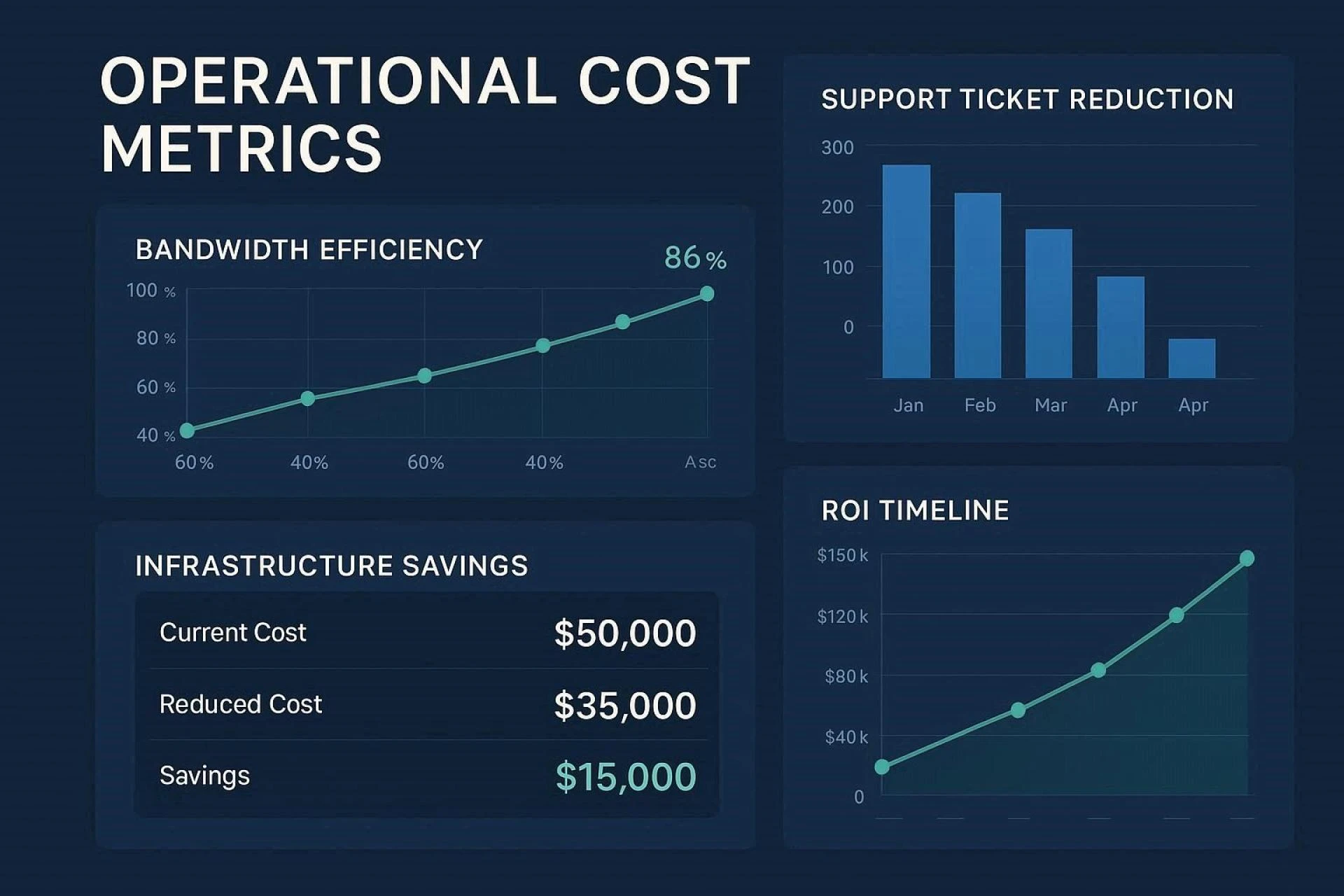
This simplicity translates directly to reduced support costs. IT departments spend less time troubleshooting playback issues. Training requirements decrease dramatically. Documentation becomes minimal.
Smart Bandwidth Management
Traditional file downloads waste bandwidth when viewers don't watch complete videos. They download entire files, watch portions, then move on. You've paid for full delivery despite partial consumption.
Web-based streaming serves only what viewers actually watch. Someone who leaves after two minutes consumes two minutes of bandwidth, not the full file. This efficiency compounds across thousands of viewers, reducing infrastructure costs significantly.
Modern delivery systems also enable adaptive quality management. Why serve 4K to mobile viewers when their screens can't display the difference? Smart players deliver appropriate quality automatically, optimizing bandwidth usage without degrading experience.
Regional Market Advantages
Different markets present varying infrastructure challenges and opportunities. Growing digital economies require solutions that work across diverse technical landscapes without assuming universal high-speed access.
Consider dynamic regions like the Middle East, where live streaming services in Dubai serve audiences ranging from cutting-edge 5G users to those on standard connections. Browser-based solutions with intelligent optimization accommodate this diversity naturally, ensuring accessibility without separate regional implementations.
The Performance-Cost Balance
Faster loading improves viewer retention while reducing server load. When players initialize quickly and stream efficiently, you serve more viewers with less infrastructure.
Optimize player code for minimal size. Implement lazy loading so resources load only when needed. Use efficient compression that maintains quality while reducing file sizes. These optimizations improve both user experience and operational economics.
Measuring Total Cost of Ownership
Calculate beyond platform subscription fees. Factor in bandwidth consumption, storage requirements, support overhead, and technical maintenance. Browser-based solutions often deliver superior total cost of ownership despite higher-seeming platform costs.
The ROI extends beyond direct savings. Broader accessibility expands potential audiences. Reduced friction increases completion rates. Better analytics inform content strategy. These advantages compound over time.