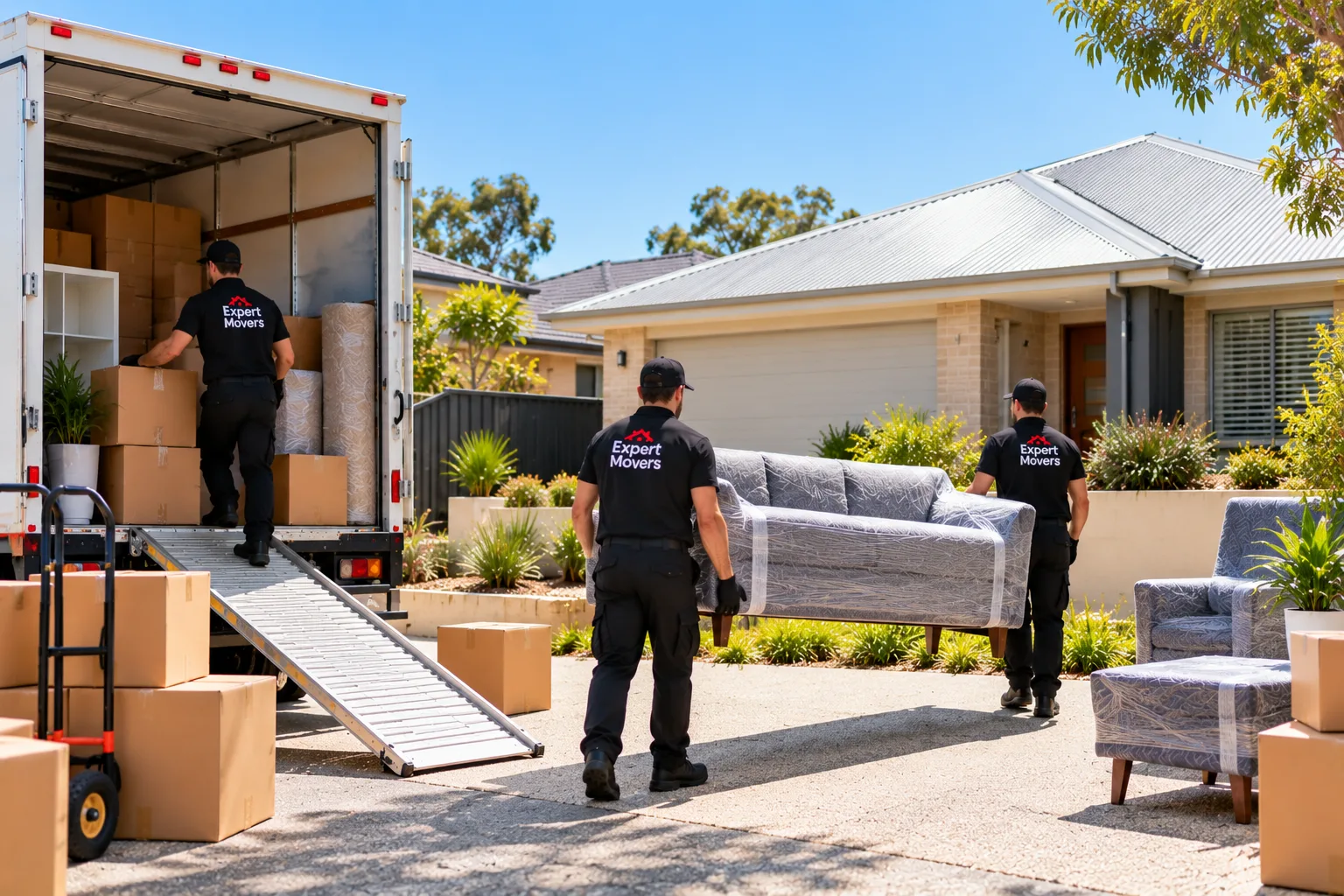
Moving house sounds simple until moving day actually arrives. Suddenly, there are boxes everywhere, furniture needs to be moved, and you are trying to remember ten things at once. If you are moving house in Bicton, a little preparation can make the whole day feel much more manageable.
The good news is that you do not need a complicated plan. A few practical steps can help you stay organized, protect your belongings, and avoid the usual last-minute stress. Here are seven simple ways to make your Bicton move run more smoothly.
1. Make a Simple Moving-Day Plan
You do not need to plan every minute of moving day. However, having a basic schedule can keep things from getting out of control.
Think about what needs to happen first, what can wait, and how much time each task may take. Your plan could include packing the last few items, preparing furniture, loading the truck, traveling to the new property, unloading, and checking the old home.
Leave some extra time between major tasks. Moving rarely goes exactly according to plan. A piece of furniture may take longer to carry out, or access to the property may create an unexpected delay.
Keep Important Details Handy
Before the day begins, keep these things easy to find:
- Moving company contact details
- Property keys
- Important documents
- Phone and charger
- New home address
- Parking or access information
- Basic cleaning supplies
Having these items ready means you will not have to search through boxes when you are already busy.
2. Finish Your Packing Before Moving Day
One of the easiest ways to make moving day stressful is to leave most of the packing until the last minute.
When movers arrive and you are still putting clothes into boxes or wrapping kitchen items, everything slows down. You may also end up throwing things into random boxes, which makes unpacking harder later.
Try to finish the main packing a day or two before the move.
You can leave out the things you will need overnight, such as toiletries, clothes, chargers, and basic kitchen items.
Prepare an Essentials Box
Pack one box or bag that stays with you instead of going into the moving truck.
It can include:
- Toiletries
- Phone chargers
- Medication
- Basic cleaning products
- A change of clothes
- Important paperwork
- Snacks and water
- Basic kitchen items
This small step can make your first few hours in the new home much easier.
3. Label Your Boxes Properly
When you have twenty or more boxes sitting in your new home, opening each one to find something is the last thing you want to do.
Clear labels can solve this problem.
Instead of writing only “Kitchen,” be a little more specific. You could write “Kitchen – Plates and Bowls” or “Main Bedroom – Bedding.”
For fragile items, make that clear on the outside of the box.
Useful Box Labels Include:
- Room name
- Main contents
- “Fragile” where needed
- “This Side Up” for suitable items
- Special handling instructions
4. Get Your Furniture Ready
Furniture usually needs more attention than ordinary boxes.
Before moving day, walk around your home and look at the larger pieces. Think about what can be taken apart and what may need special handling.
Beds, dining tables, shelving units, wardrobes, and some cabinets may be easier to move after removing detachable parts.
Keep screws, bolts, and small fittings together in labeled bags. Tape the bags to the relevant furniture where possible so they do not get lost.
Check Furniture Access
Take a look at the route from each large item to the exit.
Ask yourself:
- Will the sofa fit through the doorway?
- Is there enough space around corners?
- Are there stairs?
- Does furniture need to pass through a narrow hallway?
- Will the furniture fit through the new home's entrance?
Checking these details early can prevent surprises on moving day.
Do not force a large item through a tight space. Rushing can result in damage to the furniture, walls, floors, or door frames.
If you have large or difficult-to-handle items, choosing experienced Furniture Removalists can make the lifting and moving process safer and more manageable.
5. Keep Moving Paths Clear
A clear path makes it easier to carry furniture and boxes safely.
Before the movers arrive, remove unnecessary items from hallways, entrances, stairs, and other areas that will be used during the move.
If you have children, pets, or other people at home, try to keep them away from the main moving area. This gives everyone more space to work and reduces the chance of accidents.
Also check the outside area.
Make sure the driveway or loading area is reasonably accessible and that there are no unnecessary obstacles near the entrance.
If the property has narrow access, stairs, or difficult entry points, tell your removalist ahead of time. Knowing about these conditions before the move allows the team to prepare properly.
6. Give Extra Attention to Heavy and Fragile Items
Not everything in your home should be treated the same way.
A box of towels is very different from a glass table, television, mirror, or antique cabinet.
Before moving day, identify the belongings that need extra care. Fragile items should have suitable protection, while heavy furniture needs proper lifting and handling.
Items That May Need Extra Attention
- Glass tables
- Mirrors
- Televisions
- Artwork
- Large appliances
- Antique furniture
- Delicate decorations
- Heavy cabinets
Keep jewelry, passports, important documents, cash, and other personal valuables with you whenever possible.
If you have a particularly heavy or fragile item, tell the removalist before the move rather than mentioning it when the truck is already being loaded.
7. Consider Professional Removalists for the Heavy Work
Moving house involves much more physical work than most people expect.
Boxes need to be carried, furniture needs to be lifted, and everything needs to be loaded carefully before it can be transported. Once you arrive at the new property, the same process happens again in reverse.
You can certainly ask friends or family for help, but a full household move can quickly become tiring.
professional removalists have experience handling bulky items, delicate belongings, and other household possessions. They can also help with the loading and unloading work that takes up much of the day.
Before Booking a Removalist
Do not look at the price alone. Consider the complete service and whether it suits your move.
Check:
- What the service includes
- Whether loading and unloading are included
- Experience with residential moves
- How bulky furniture is handled
- Whether difficult access can be accommodated
- How the company communicates before moving day
- Whether the quote clearly explains the service
The right service should match your actual moving requirements.
A Few Final Moving-Day Tips
Even with good preparation, moving day can feel busy. Keep your expectations realistic and focus on one task at a time.
Before leaving your old home, walk through every room. Check cupboards, wardrobes, garages, storage areas, and outdoor spaces.
At the new property, decide where the larger furniture should go before everything is unloaded. This can save you from moving the same heavy items twice.
Most importantly, keep your essentials, valuables, keys, and important documents separate from the main household load.
Final Thoughts
Moving house in Bicton does not have to mean spending the entire day feeling rushed and overwhelmed. Finishing your packing early, labeling boxes, preparing furniture, keeping access paths clear, and planning for heavy or fragile belongings can make a noticeable difference.
Professional Removalists Bicton can also take much of the physical work off your shoulders, especially when you have large furniture or a full household to move.