Motorcycle riding can be one of the most enjoyable ways to travel, whether you are commuting through busy city streets, taking a weekend ride, or planning a long-distance tour. But enjoyable riding depends heavily on preparation, awareness, and good habits. For riders looking for practical information, motorcycle guides from BikerGuides can also be a useful resource when learning more about motorcycles, gear, maintenance, and riding-related topics. The basic principles of motorcycle safety remain the same: understand your machine, wear appropriate protective gear, anticipate traffic, and avoid taking unnecessary risks.
Everyday riding and long-distance touring present different challenges, but a few simple habits can make both safer and more comfortable.
Start Every Ride With a Basic Motorcycle Safety Check
You do not need a complicated workshop routine before every short trip. A quick inspection can catch problems before they become dangerous.
Check the Tires Before You Ride
Tires are your motorcycle's only contact with the road, so their condition matters enormously. Check that both tires have appropriate air pressure and look for visible cuts, cracks, punctures, or unusual wear.
Do not rely only on appearance. A tire can look fine while being significantly underinflated. Check pressure when the tires are cold and follow the motorcycle manufacturer's recommended figures.
For a long-distance ride, inspect the tires more carefully. If the tread is getting low or the rubber shows signs of aging, replacing them before the trip is usually better than discovering a problem hundreds of miles from home.
Check the Brakes, Lights, and Controls
Test the front and rear brakes before leaving. The levers and pedals should feel normal, without unexpected softness or unusual resistance.
Also check the headlight, brake light, indicators, and horn. A failed light might seem like a minor electrical problem during the day, but it can become a serious visibility issue when traffic conditions change.
A quick check of the throttle, clutch, mirrors, and side stand is worthwhile too. These take only a minute and can prevent avoidable problems.
Wear Motorcycle Gear That Matches the Ride
A helmet is the most obvious piece of motorcycle safety equipment, but protective riding gear should not stop there.
Choose a Properly Fitting Helmet
A helmet should fit securely without creating painful pressure points. It should not move excessively when you shake your head or turn it from side to side.
Full-face helmets generally provide more coverage than open-face designs, which can be particularly valuable for riders who regularly travel at higher speeds or spend long hours on the road. Brands such as AGV, HJC, and Shoei offer different helmet designs and price ranges, so riders should focus on proper fit, appropriate certification, visibility, ventilation, and intended use rather than choosing a helmet based only on appearance.
Replace a helmet when it has sustained a significant impact or when the manufacturer recommends replacement due to age or deterioration.
Use Protective Clothing and Riding Gloves
Motorcycle jackets, gloves, riding pants, and boots can provide protection from abrasion and help shield the body from weather and road debris.
For everyday commuting, lightweight gear can make sense when temperatures are high, while long-distance touring may require clothing with better weather protection and ventilation. The important point is consistency. A short ride is still a motorcycle ride, and traffic accidents do not become less serious simply because the destination is close.
Ride Defensively Around Other Traffic
Many motorcycle crashes involve situations where another road user fails to notice the motorcycle. Defensive riding helps reduce the chances of being caught off guard.
Assume Drivers May Not See You
Avoid sitting in another vehicle's blind spot for extended periods. If a car is changing lanes, turning, entering traffic, or approaching an intersection, create enough space to respond if the driver makes an unexpected move.
Positioning also matters. Try to maintain a clear view of what is happening ahead rather than riding directly behind a large vehicle that blocks your vision.
Leave Enough Following Distance
Following too closely gives you less time to react when traffic suddenly stops or a vehicle encounters an obstacle.
A larger following distance provides more options. You may be able to brake smoothly, change position, or steer around an unexpected hazard rather than making an emergency maneuver at the last moment.
This becomes even more important during rain, poor visibility, or on unfamiliar roads.
Adjust Your Riding for Weather and Road Conditions
Good motorcycle safety is not about riding the same way in every situation. Conditions change, and your riding style should change with them.
Take Extra Care on Wet Roads
Rain can reduce available traction and make painted road markings, metal covers, leaves, and other surfaces more slippery. Smooth control inputs become especially important.
Avoid sudden acceleration, harsh braking, and abrupt steering movements. Increase your following distance and reduce speed when visibility or traction is poor.
If heavy rain makes it difficult to see or control the motorcycle comfortably, stopping somewhere safe may be the smartest decision.
Watch for Road Hazards
Potholes, gravel, broken pavement, standing water, construction debris, and uneven surfaces can be more significant hazards for motorcycles than for larger vehicles.
Look well ahead and identify hazards early. When you have enough space, slow down smoothly rather than making a sudden reaction at the last moment.
Prepare Differently for Long-Distance Motorcycle Trips
A long ride requires more than simply filling the fuel tank and starting the engine.
Plan Fuel and Rest Stops
Know approximately how far you can travel between fuel stops, but do not push the motorcycle to the absolute limit of its range.
Regular breaks also help reduce fatigue. Get off the motorcycle, stretch, drink water, and give yourself time to reset before continuing.
For long-distance touring, fatigue can become a bigger safety concern than many mechanical issues. If you are struggling to stay alert, continuing to ride is not worth the risk.
Carry Basic Emergency Equipment
Long-distance riders should consider carrying items appropriate for the motorcycle and route, such as a tire repair solution, portable inflator, basic tools, phone charger or power bank, and emergency contact information.
If your motorcycle uses a battery that is difficult to access, knowing where the battery is located and understanding basic electrical troubleshooting can also be useful.
You do not need to carry an entire workshop. The goal is to handle simple problems or remain prepared until professional assistance is available.
Communicate Carefully When Riding With Others
Group rides can be enjoyable, but they require additional awareness.
Agree on the route, fuel stops, and meeting points before leaving. Riders should maintain safe spacing instead of trying to stay unnecessarily close together.
Communication systems such as Sena and Cardo can make group communication easier, but technology should never replace visual awareness. Keep your attention on traffic, road conditions, and your motorcycle.
If a rider becomes separated from the group, having predetermined meeting points can prevent unnecessary and potentially dangerous searching while riding.
Avoid Common Motorcycle Safety Mistakes
Some riding mistakes happen because a rider becomes too comfortable with familiar roads.
One common mistake is skipping a pre-ride inspection because the motorcycle "was fine yesterday." Mechanical problems can develop unexpectedly.
Another is wearing minimal protection for short trips. A five-minute ride still exposes you to traffic, road debris, and unexpected hazards.
Speed is another factor worth taking seriously. Riding faster than conditions allow reduces the amount of time available to recognize and respond to hazards. This is particularly dangerous on unfamiliar roads, during bad weather, or in heavy traffic.
Finally, never ride when you are too tired, distracted, or impaired to operate the motorcycle safely.
Build Better Safety Habits Over Time
Motorcycle safety is not one action that you complete before buying a helmet. It is a collection of habits developed over hundreds of rides.
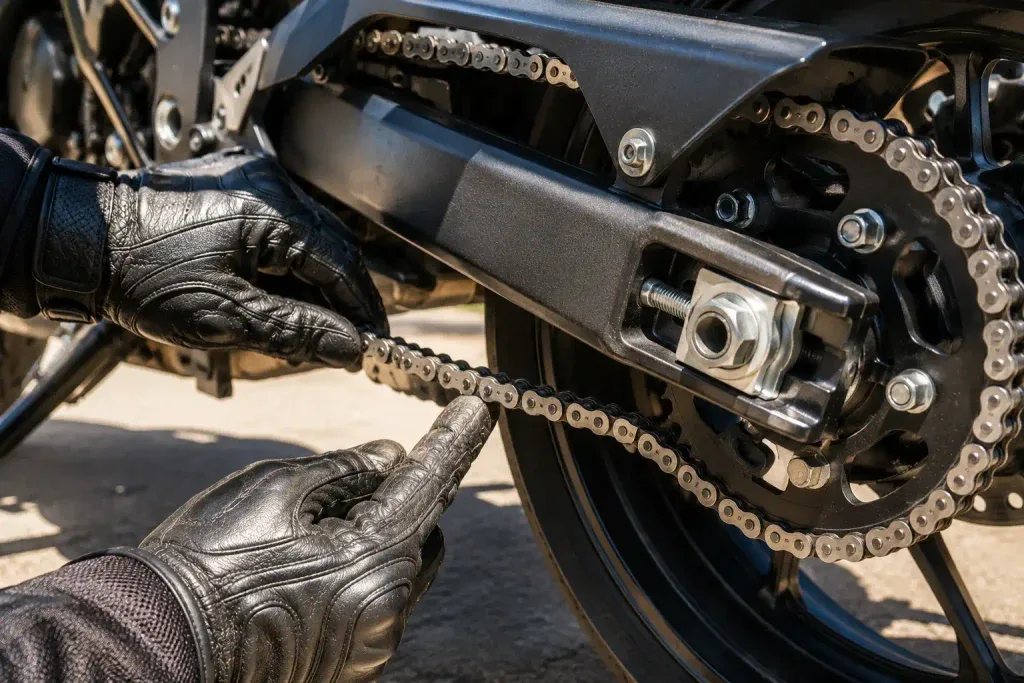
Inspect the motorcycle regularly. Keep the tires properly maintained. Replace worn brake components, fluids, and other service items according to the manufacturer's recommendations. Pay attention to unusual noises, vibrations, starting problems, or changes in handling rather than ignoring them.
Most importantly, ride within your abilities and leave yourself room for mistakes made by other road users.
Conclusion
Safe motorcycle riding comes down to preparation, protective equipment, good judgment, and constant awareness. Whether you are riding to work every morning or crossing several states on a touring trip, small decisions can make a significant difference. Check the motorcycle, wear suitable gear, maintain a safe distance, adapt to weather and road conditions, and take fatigue seriously.
The goal is not to eliminate every risk—that is impossible on any road. The goal is to manage the risks intelligently so you can spend more time enjoying the ride and less time dealing with preventable problems.