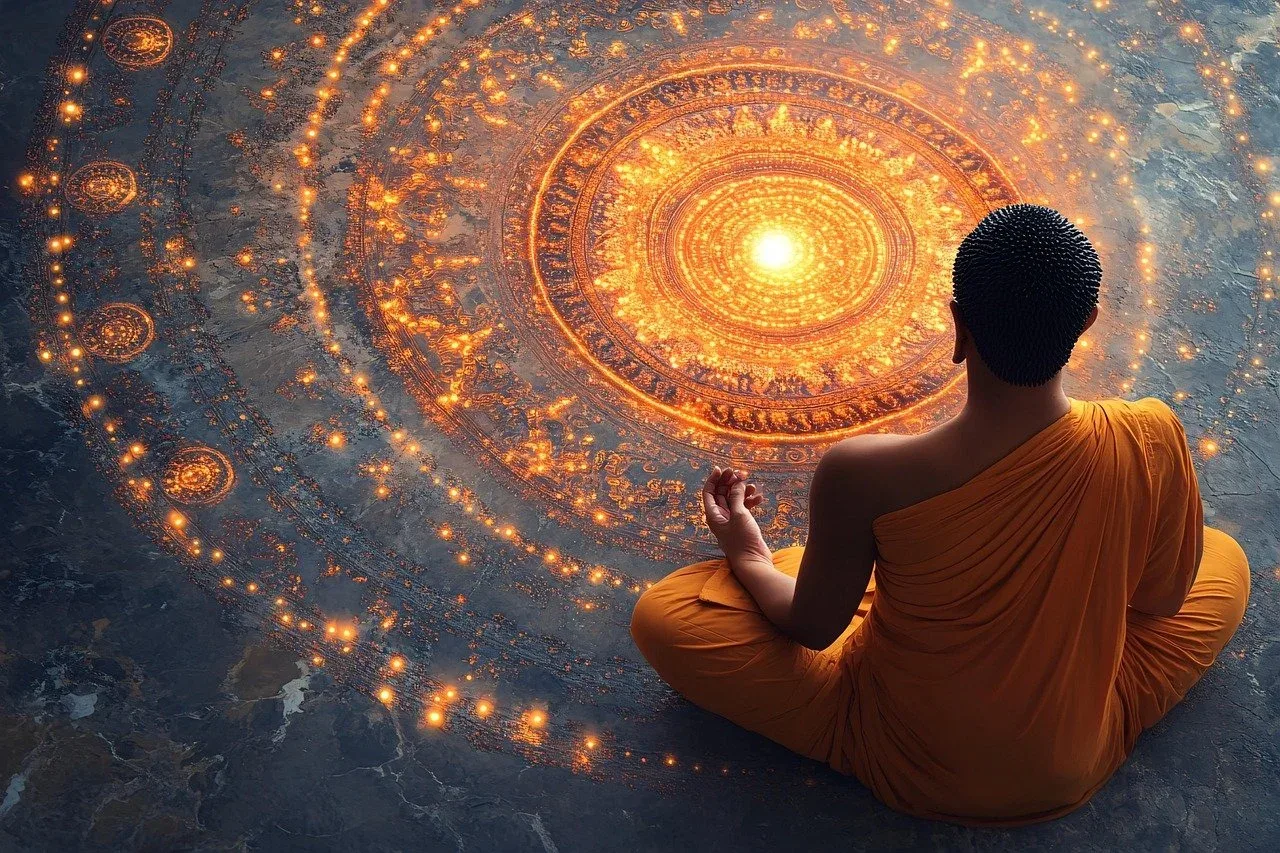
Spirituality has been an important part of human life for thousands of years. Across different cultures, religions, and traditions, people have developed spiritual practices to find meaning, inner peace, healing, and a deeper connection with themselves and the world around them.
Today, spiritual practices are more popular than ever. While some people follow traditional religious paths, others explore modern spiritual methods that focus on personal growth, mindfulness, and emotional well-being. Despite their differences, most spiritual practices share a common goal: helping individuals live a more balanced and meaningful life.
This guide explores the most popular spiritual practices worldwide, their origins, benefits, and why millions of people continue to embrace them.
What Are Spiritual Practices?
Spiritual practices are activities or rituals that help individuals connect with their inner self, higher purpose, nature, or a sense of the divine. These practices can be religious, cultural, or completely personal.
They often focus on:
- Self-awareness
- Emotional balance
- Inner peace
- Personal growth
- Healing and well-being
- Connection to something greater than oneself
Spiritual practices are found in nearly every society and continue to evolve as people seek new ways to improve their mental, emotional, and spiritual health.
Meditation
One of the Most Popular Spiritual Practices Worldwide
Meditation is widely recognized as one of the most practiced spiritual activities globally. Originating thousands of years ago in Asia, meditation is now embraced by people of all backgrounds.
Meditation involves focusing the mind, observing thoughts, and developing awareness of the present moment. Various forms of meditation include mindfulness meditation, transcendental meditation, guided meditation, and loving-kindness meditation.
Benefits of Meditation
- Reduces stress and anxiety
- Improves concentration
- Enhances emotional well-being
- Promotes self-awareness
- Encourages inner peace
Many scientific studies have also shown positive effects of meditation on mental health and overall wellness.
Prayer
Prayer remains one of the oldest and most widespread spiritual practices in the world. It is central to many religious traditions, including Christianity, Islam, Hinduism, Buddhism, and Judaism.
Prayer can take many forms, including spoken words, silent reflection, gratitude, or requests for guidance and support.
Why People Pray
People often pray to:
- Seek comfort during difficult times
- Express gratitude
- Strengthen faith
- Connect with a higher power
- Find hope and direction
Even individuals who do not follow organized religion may engage in personal forms of prayer or spiritual communication.
Mindfulness
Mindfulness has become increasingly popular in recent years due to its effectiveness in reducing stress and improving mental well-being.
Mindfulness involves paying attention to the present moment without judgment. It encourages people to fully experience their thoughts, emotions, and surroundings.
Common Mindfulness Practices
- Mindful breathing
- Mindful walking
- Mindful eating
- Body scan exercises
- Daily awareness practices
Mindfulness is often incorporated into therapy, education, healthcare, and workplace wellness programs.
Yoga
Yoga combines physical movement, breathing techniques, and meditation. Originating in ancient India, yoga has become a global practice that supports physical, mental, and spiritual health.
Many people begin yoga for fitness reasons but later discover its deeper spiritual aspects.
Spiritual Benefits of Yoga
- Encourages self-awareness
- Promotes inner balance
- Improves mind-body connection
- Supports emotional healing
- Enhances mindfulness
Different styles of yoga offer varying levels of physical activity and spiritual focus.
Energy Healing
Energy healing practices are found in many cultures worldwide. These methods are based on the belief that balancing energy within the body can support overall wellness.
Popular forms include:
- Reiki
- Qi Gong
- Pranic Healing
- Therapeutic Touch
While scientific opinions vary regarding energy healing, many individuals report positive personal experiences with these practices.
Some people also explore traditional spiritual approaches such as Healing Spells as part of their broader wellness and spiritual journey, particularly when seeking emotional support and personal transformation.
Gratitude Practices
Gratitude is a simple but powerful spiritual practice that has gained significant attention in modern wellness communities.
Practicing gratitude involves consciously recognizing and appreciating positive aspects of life.
Popular Gratitude Activities
- Keeping a gratitude journal
- Daily gratitude reflections
- Expressing appreciation to others
- Gratitude meditation
Research suggests that gratitude can improve happiness, strengthen relationships, and reduce stress.
Spiritual Journaling
Writing has long been used as a tool for self-reflection and spiritual growth.
Spiritual journaling helps individuals:
- Explore personal beliefs
- Process emotions
- Track spiritual progress
- Clarify goals and intentions
- Gain deeper self-understanding
Many spiritual teachers recommend journaling as a way to strengthen self-awareness and personal development.
Nature-Based Spiritual Practices
Many traditions view nature as sacred and spiritually significant. Spending time in natural environments can foster a sense of connection, peace, and wonder.
Common Nature-Based Practices
- Forest walks
- Outdoor meditation
- Nature observation
- Sacred site visits
- Seasonal celebrations
People often report feeling more grounded and emotionally balanced after spending time in nature.
Chanting and Mantras
Chanting sacred words, sounds, or phrases is common in many spiritual traditions.
Examples include:
- Hindu mantras
- Buddhist chants
- Christian hymns
- Sufi recitations
The repetition of meaningful sounds can promote concentration, relaxation, and spiritual focus.
Spiritual Healing Rituals
Throughout history, cultures around the world have developed rituals aimed at promoting emotional, mental, and spiritual well-being.
These rituals may include prayer, meditation, symbolic ceremonies, blessings, or community gatherings.
Some individuals explore spiritual traditions that incorporate Health Spells as part of their personal belief systems and wellness practices. Such approaches are typically used alongside broader efforts to maintain physical, emotional, and spiritual balance.
Self-Confidence and Personal Empowerment Practices
A growing number of spiritual seekers focus on practices that support confidence, self-belief, and personal empowerment.
These practices may include:
- Positive affirmations
- Visualization
- Meditation
- Goal setting
- Self-reflection
For individuals interested in confidence-building spiritual traditions, some explore methods such as a Self Confidence Spell alongside practical self-development techniques to strengthen personal motivation and emotional resilience.
Pilgrimages and Sacred Travel
Pilgrimage is a spiritual journey undertaken to a sacred place. It remains an important practice in many religious traditions.
Famous pilgrimage destinations include:
- Mecca
- Jerusalem
- Varanasi
- Santiago de Compostela
- Bodh Gaya
Pilgrimages often provide opportunities for reflection, spiritual growth, and connection with a larger community.
Why Spiritual Practices Remain Popular Today
Growing Need for Mental Well-Being
Modern life can be stressful and fast-paced. Many people turn to spiritual practices to find calm, clarity, and emotional support.
Search for Meaning
Spiritual practices often help individuals explore life's deeper questions and develop a stronger sense of purpose.
Personal Growth
Many spiritual traditions encourage self-improvement, compassion, mindfulness, and resilience.
Community and Connection
Spiritual communities can provide valuable social support and shared experiences.
Frequently Asked Questions
What is the most popular spiritual practice worldwide?
Meditation and prayer are generally considered the most widely practiced spiritual activities globally due to their presence across numerous cultures and traditions.
Can spiritual practices improve mental health?
Many spiritual practices, including meditation, mindfulness, and gratitude exercises, have been associated with reduced stress and improved emotional well-being.
Do spiritual practices require a religion?
No. While many spiritual practices are connected to religions, others can be practiced independently without following any specific faith.
How often should I practice spirituality?
There is no universal rule. Many people benefit from daily practices, while others engage weekly or according to personal preference.
Which spiritual practice is best for beginners?
Mindfulness meditation, gratitude journaling, and simple breathing exercises are often recommended for beginners because they are easy to learn and accessible to most people.
Conclusion
The most popular spiritual practices worldwide continue to thrive because they address fundamental human needs for peace, purpose, connection, and personal growth. Whether through meditation, prayer, yoga, mindfulness, gratitude, energy healing, or nature-based traditions, spirituality offers countless pathways for self-discovery and well-being.
As society evolves, spiritual practices continue to adapt while preserving their timeless purpose: helping individuals create a deeper connection with themselves, others, and the world around them. By exploring different approaches and finding what resonates personally, anyone can begin a meaningful spiritual journey that supports a more balanced and fulfilling life.