
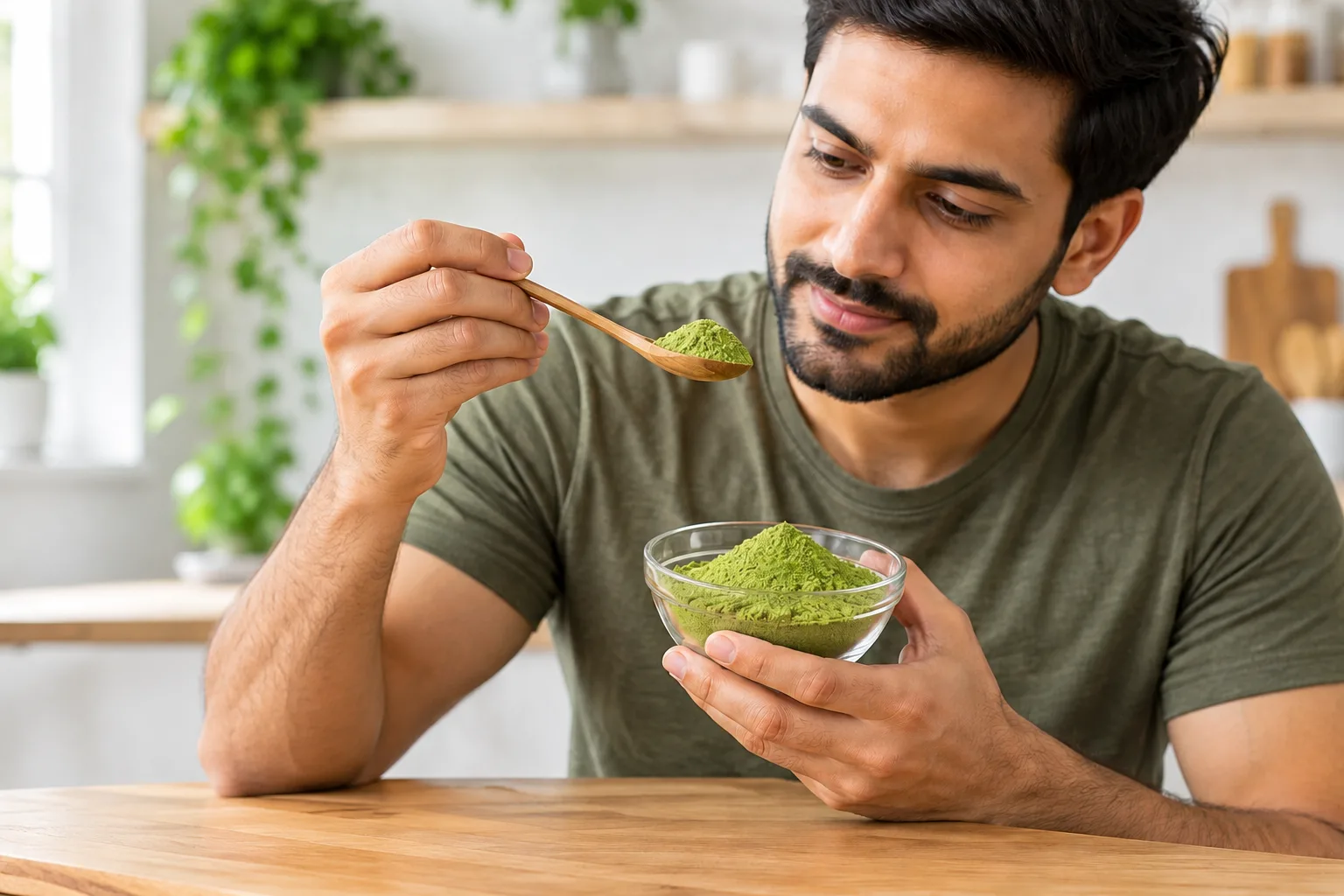
Moringa has gained attention as a nutrient-rich plant that can be included in a balanced diet. Often called the drumstick tree, Moringa oleifera is widely grown in India, where its leaves, pods and other parts have traditionally been used in food and wellness practices.
Today, moringa is available in several forms, including fresh leaves, powder, tea and capsules. Moringa capsules offer a convenient way to consume powdered moringa leaves without adding the powder to everyday meals.
But what are the benefits of moringa capsules, how should you take them, and what should you check before choosing a supplement?
In this guide, we explore the potential nutritional benefits of moringa capsules, their limitations, and the precautions to consider before adding them to your daily routine.
What Are Moringa Capsules?
Moringa capsules are dietary supplements that commonly contain powdered moringa leaves or moringa extracts. Their nutritional composition depends on the plant material, processing methods and formulation used by the manufacturer.
Moringa leaves contain several nutrients and naturally occurring plant compounds, including:
- Vitamins and minerals in varying amounts
- Plant-based protein
- Dietary fibre in the original leaf material
- Polyphenols and other antioxidant compounds
Capsules provide a convenient alternative for people who do not regularly consume moringa leaves or prefer not to mix moringa powder into food or beverages.
However, the nutrients you receive depend on the product's composition and serving size. Capsules should complement a balanced diet rather than replace nutritious meals.
7 Potential Benefits of Moringa Capsules
Moringa leaves contain nutrients and plant compounds that have attracted scientific interest. However, evidence from human studies remains limited, and the effects of capsules can vary by formulation.
1. Provides Nutrients From Moringa Leaves
Moringa leaves contain several nutrients that contribute to a healthy diet. These include vitamin C, provitamin A carotenoids, calcium, potassium and other minerals, although the amounts vary depending on cultivation and processing.
Moringa capsules may help people include moringa leaf material in their routine. However, the amount of each nutrient in a capsule depends on its formulation, so check the product label rather than assuming every supplement provides the same nutritional value.
2. Contains Antioxidant Plant Compounds
Moringa leaves contain naturally occurring compounds, including polyphenols and flavonoids, that have demonstrated antioxidant activity in laboratory research.
Antioxidants help protect cells from oxidative damage. However, laboratory findings do not automatically establish that taking moringa capsules produces specific health benefits in humans.
For this reason, moringa capsules are best viewed as a potential source of plant compounds within an overall balanced diet, not as a treatment for disease.
3. May Support Overall Nutritional Intake
A varied diet containing vegetables, fruits, whole grains, legumes, nuts and other nutritious foods is essential for meeting daily nutritional needs.
Moringa leaf supplements can provide an additional source of plant material, depending on the product. They may be useful for people who prefer a capsule format over moringa powder.
However, moringa capsules are not a substitute for a varied diet or medically recommended nutritional supplements. If you have a diagnosed deficiency, consult a qualified healthcare professional about appropriate treatment.
4. May Be Relevant to Metabolic Health Research
Researchers have investigated moringa for its possible effects on blood glucose and blood lipid levels.
Some small human studies have reported modest changes in certain metabolic markers. However, the evidence is not strong enough to conclude that moringa capsules reliably control blood sugar or cholesterol or prevent related diseases.
People living with diabetes or taking medicines that affect blood glucose should consult their healthcare professional before using moringa supplements.
5. Offers a Convenient Alternative to Moringa Powder
One practical benefit of moringa capsules is convenience.
Moringa powder can be mixed into smoothies, soups or other recipes, but some people may dislike its taste or find it inconvenient to prepare regularly.
Capsules are portable, easy to store according to the product instructions, and do not require mixing into food. The actual amount of moringa per serving varies between products, so check the label before use.
6. Can Complement a Plant-Rich Diet
Moringa is a plant-based ingredient that can complement a varied diet.
Whether you consume moringa leaves in food, use leaf powder in recipes or choose capsules, the broader dietary pattern matters more than relying on one ingredient.
Combining a variety of vegetables, fruits, pulses, whole grains and other nutrient-rich foods is a more practical approach to maintaining balanced nutrition.
7. Offers Another Way to Include Moringa in Your Routine
Moringa capsules are one of several ways to consume moringa. Your choice may depend on taste preferences, convenience, dietary habits and the product's ingredients.
Some people prefer fresh moringa leaves or traditional recipes, while others choose powder or capsules for convenience.
There is no single format that is best for everyone. Choose a product that clearly identifies its ingredients, serving size and quality information.
Important: These are potential nutritional benefits, not guaranteed outcomes. Current human evidence does not establish moringa capsules as a treatment for any specific medical condition.
How to Take Moringa Capsules
Always follow the directions on the product label. There is no single standard dosage that applies to every moringa capsule because formulations and concentrations differ.
Before taking moringa capsules, consider the following:
- Check the serving size: Follow the manufacturer's instructions and do not exceed the recommended amount.
- Review the ingredients: Check whether the product contains moringa leaf powder, an extract or additional ingredients.
- Consider your medicines: Moringa may affect blood glucose or interact with certain medicines, so professional advice is important if you take regular medication.
- Ask about timing: Follow the product instructions regarding meals and timing rather than assuming that morning or nighttime use is universally better.
- Maintain realistic expectations: Supplements do not replace a nutritious diet, exercise, sleep or appropriate medical care.
Pregnant or breastfeeding individuals and people with existing health conditions should seek professional advice before using moringa supplements. Different parts of the moringa plant may have different safety considerations.
Are There Any Side Effects of Moringa Capsules?
Moringa supplements may not be suitable for everyone. Potential concerns include digestive discomfort and possible interactions with medicines. The safety evidence for long-term use and different supplement formulations remains limited.
Take these precautions:
- Do not use moringa capsules as a replacement for prescribed medication.
- Consult your healthcare professional if you take diabetes or blood pressure medication.
- Check the product's ingredients for potential allergens or additional substances.
- Stop taking the supplement and seek medical advice if you experience a concerning reaction.
- Choose products from reputable manufacturers with appropriate quality and safety checks.
Product quality is also important. Dietary supplements can vary in purity and manufacturing standards, so do not assume that every product sold online meets the same quality requirements.
The Story Behind Moringa Value Addition in India
Moringa is not only a subject of nutritional interest. It also represents an opportunity to develop value-added agricultural products and improve market access for farmers.
In a feature published by The Better India, former scientist Kamini Singh's journey highlights how scientific knowledge can be applied to moringa farming and entrepreneurship. After working in research, she explored moringa cultivation in Uttar Pradesh and developed value-added products, including moringa powder and capsules.
Read The Better India's feature on Kamini Singh's moringa farming journey and farmer empowerment to learn how agricultural research, processing and product development can create opportunities beyond selling raw produce.
The story also illustrates the importance of value addition. Processing moringa leaves into products with longer shelf lives and different uses can help connect agricultural production with consumer demand.
For consumers, this makes product transparency especially important. Understanding where an ingredient comes from, how it is processed and what a finished supplement contains can help inform purchasing decisions.
Conclusion
Moringa capsules offer a convenient way to include moringa leaf material in a daily nutritional routine. They contain plant compounds and may contribute nutrients, depending on their formulation, but the strength of evidence for specific health benefits in humans remains limited.
The best approach is to choose a clearly labelled, quality-controlled product and use it as a complement to a balanced diet rather than a replacement for food or medical treatment.
By understanding the potential benefits, limitations and precautions associated with moringa capsules, you can make a more informed decision about whether they fit your nutritional needs.
Disclaimer: This article is for general informational purposes only and does not replace medical advice. Consult a qualified healthcare professional before starting a dietary supplement if you have a health condition, take medication, or are pregnant or breastfeeding.