
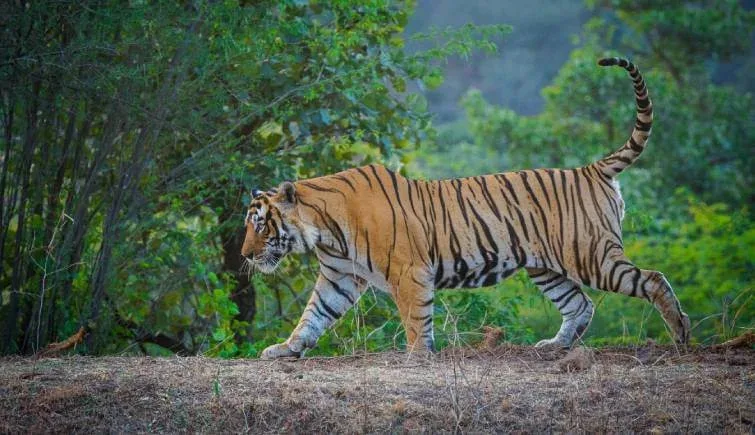
Ranthambore National Park is world-famous for its majestic Bengal tigers, ancient fort ruins, and dramatic dry deciduous forests. Most travelers flock to this iconic wildlife haven between October and June when the forest is dry and big cat sightings are frequent. However, when the Indian monsoon rolls in from July through September, the landscape undergoes a radical transformation.
A common misconception among travelers is that Ranthambore completely closes during the rainy season. In reality, while the core zones shut down to protect breeding wildlife and allow forest rejuvenation, select outer zones remain open for visitors. If you are contemplating a getaway during the rains, weighing the advantages against the drawbacks will help you decide if a rainy season trip aligns with your travel expectations.
The Advantages of Visiting Ranthambore in Monsoon
Breathtaking Greenery and Scenic Landscapes
The most striking aspect of traveling during the monsoon is the visual shift in the wilderness. The arid, dust-covered terrain transforms into a vibrant carpet of emerald green. Rain-fed streams trickle down the rocky Aravali and Vindhya hills, and historical ruins take on a romantic, timeless quality against the misty backdrop. For landscape photographers and nature enthusiasts, the forest during the rains offers an unparalleled scenic beauty that dry summer months simply cannot match.
Serene Atmosphere and Better Hospitality Values
Peak winter months bring heavy crowds, noisy trails, and packed safari vehicles. In contrast, monsoon travel offers quiet paths, cool breezes, and an intimate connection with nature. Tourism numbers drop significantly, giving you a calm and unhurried holiday. Hospitality providers also offer attractive seasonal discounts during these months. Booking a staying experience at a luxury resort in Ranthambore allows you to enjoy premium amenities, lush courtyard gardens, and cozy rain-drenched views at a fraction of the standard peak-season rate.
Rich Birdlife and Active Fauna
While big cats remain the primary draw, the forest harbors a rich diversity of wildlife that thrives during the monsoon. The rainy months coincide with the mating season for several bird species. You will witness peacocks displaying their full, vibrant plumage across open meadows and spot a variety of resident birds nesting around water bodies. Sambar deer, chital, and wild boars are frequently seen grazing on fresh shoots, offering delightful wildlife viewing opportunities.
The Disadvantages and Challenges of Rainy Season Travel
Restricted Access to Core Safari Zones
To ensure animal safety, conserve fragile trails, and respect breeding seasons, the Forest Department closes core safari Zones 1 through 5 from July 1 to September 30. Tourism is restricted strictly to buffer zones, specifically Zones 6 through 10. While these outer zones feature beautiful landscapes and their own resident wildlife, missing out on classic tiger territories like Zone 3 or Zone 4 can be disappointing for first-time visitors expecting complete access.
Reduced Visibility for Big Cat Sightings
If your main goal is seeing a Bengal tiger up close, the monsoon presents real challenges. Abundant natural water points throughout the hills mean animals do not need to assemble around remaining water holes. Furthermore, dense, overgrown foliage provides ample camouflage for predators. Tracking tigers requires greater patience, as vocal calls and fresh pugmarks become harder to follow on wet soil.
Weather Dependencies and Trail Conditions
Monsoon weather in Rajasthan can be unpredictable. Heavy downpours can turn unpaved jungle tracks into muddy, slushy paths, making safari vehicles prone to skidding or getting stuck. On days with severe rainfall, the Forest Department may cancel scheduled tracks on short notice for safety reasons. Travelers must remain flexible and prepare for potential delays or schedule adjustments.
Essential Practical Tips for Your Monsoon Trip
- Plan for Buffer Zones: Understand beforehand that your jungle safari in Ranthambore will take place in Zones 6 to 10. Embrace these areas for their dramatic hill vistas and unique topography.
- Pack the Right Gear: Carry waterproof covers for cameras and smartphones, quick-dry cotton clothing, sturdy non-slip footwear, and reliable raincoats.
- Explore Cultural Attractions: Combine safari attempts with visits to the historic Ranthambore Fort and the revered Trinetra Ganesh Temple, both of which offer breathtaking panoramic views during the rainy season.
- Opt for All-Inclusive Plans: Selecting a well-curated Ranthambore tour package ensures seamless transfers, comfortable indoor leisure activities on rainy afternoons, and hassle-free safari arrangements.
Final Verdict: Is a Monsoon Trip Worth It?
Traveling to Ranthambore during the monsoon comes down to what you value most in a wilderness journey. If your trip centers entirely on guaranteed tiger photography, waiting for the dry months between October and May is advisable. However, if you appreciate misty mornings, lush greenery, peaceful forest drives, thriving birdlife, and relaxing luxury stays away from heavy tourist crowds, the rainy season offers a unique, tranquil side of Ranthambore that few travelers get to experience.