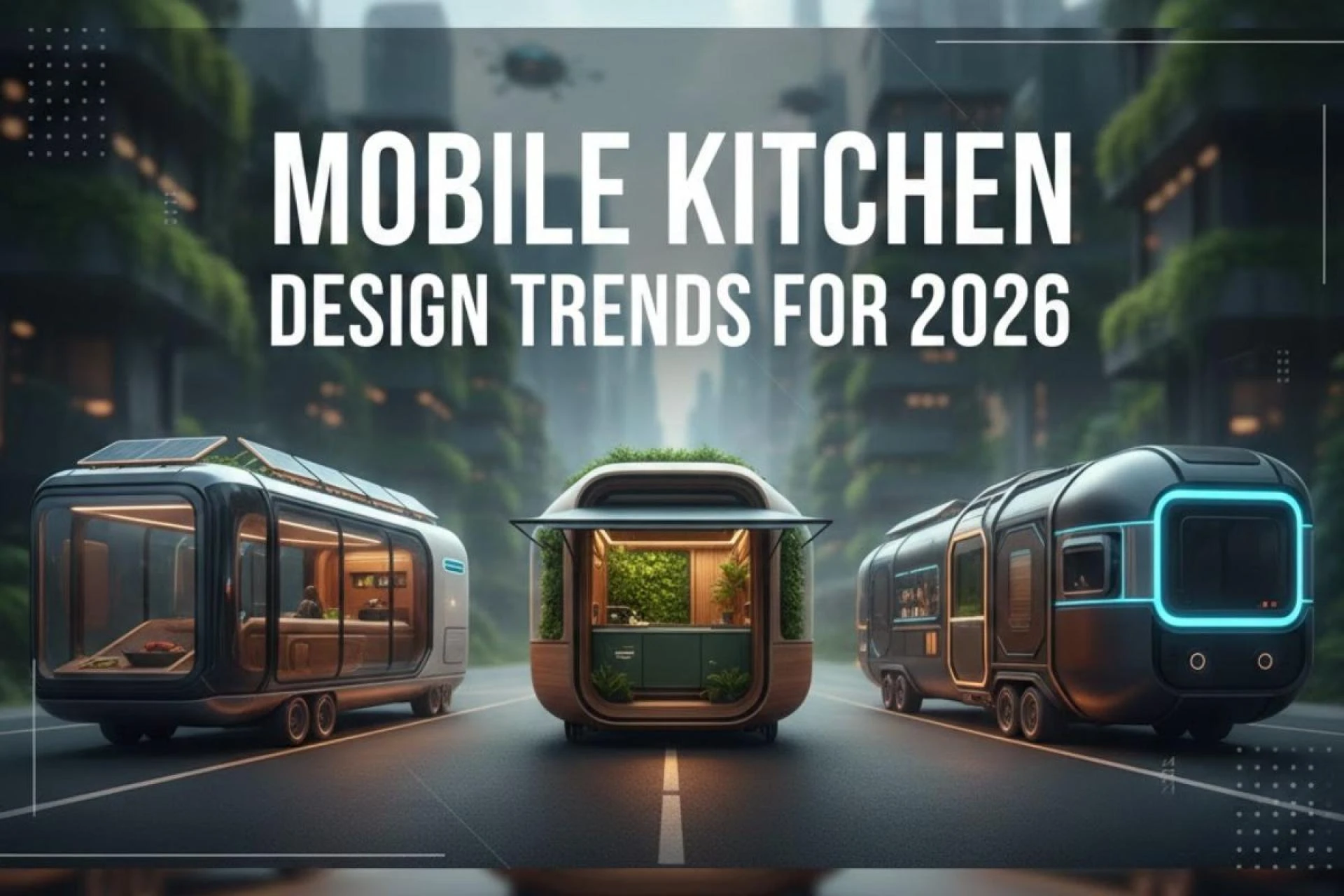
The mobile food industry continues to progress as new consumer behaviors, technology, and operational needs shape how sellers design their units. Many entrepreneurs planning a mobile kitchen setup are now focusing on advanced layouts, smarter workflow patterns, and modern materials that support both food safety and faster service. Looking ahead to 2026, several design trends are rising across food trucks, concession trailers, and roadside culinary units, each offering practical advantages for busy operators.
Why Mobile Kitchen Design Is Evolving in 2026
As competition grows and customer expectations shift, mobile food businesses are paying close attention to design elements that influence workflow, branding, and the guest experience. Sellers are leaning toward flexible interiors, energy-efficient appliances, and safety-centered components that help them work comfortably while maintaining consistency during peak hours. A well-planned kitchen not only supports productivity but also strengthens the customer impression from the moment they approach the service window.
Key Mobile Kitchen Design Trends Shaping 2026
Below are the standout design directions that are gaining momentum across the food-service world. These trends reflect both practical needs and creative approaches that help modern vendors stand out.
1. Open-Flow Layouts for Faster Prep Work
A growing number of mobile kitchens are shifting toward open interior routes that reduce foot traffic congestion. Wider aisles, simplified equipment zones, and clear positioning of prep stations create a smoother environment for cooks and servers. This style is especially useful for teams that work with multiple menu categories or require batch preparation throughout the day.
2. Lightweight, Durable Materials
Manufacturers are incorporating materials that hold up against heat, moisture, and constant movement. Aluminum wall panels, stainless counters, and composite flooring support long-term use while keeping the unit lighter for towing. These materials bring a sleek appearance while supporting daily sanitation routines.
3. Expanded Refrigeration Zones
Mobile kitchens serving fresh foods, desserts, proteins, and beverages are allocating extra space for cooling systems. Dual refrigerators, under-counter chillers, and upright freezers are becoming standard additions. This trend helps operators maintain ingredient quality despite lengthy operating hours.
4. Ventilation and Airflow Improvements
Heat control has become a major focus for 2026 designs. Better hood systems, rear exhaust pathways, and ceiling-mounted vents help regulate interior temperature while controlling smoke and steam levels. These adjustments contribute to a more comfortable working environment, especially in hotter climates.

5. Multi-Equipment Cooking Stations
Many kitchens now rely on combination appliances such as griddles with integrated burners, fryers with adjustable baskets, or ovens with versatile heating modes. These setups help reduce clutter while supporting diverse menu styles. Operators can prepare several food types in one area without sacrificing space.
6. Smarter Storage for Ingredients and Supplies
Efficient storage remains a core priority. Newer mobile kitchens feature pull-out shelving, vertical racks, sealed ingredient bins, and ceiling storage compartments. These enhancements make it easier to keep essentials within reach and maintain cleanliness throughout service hours.
7. High-Visibility Service Windows
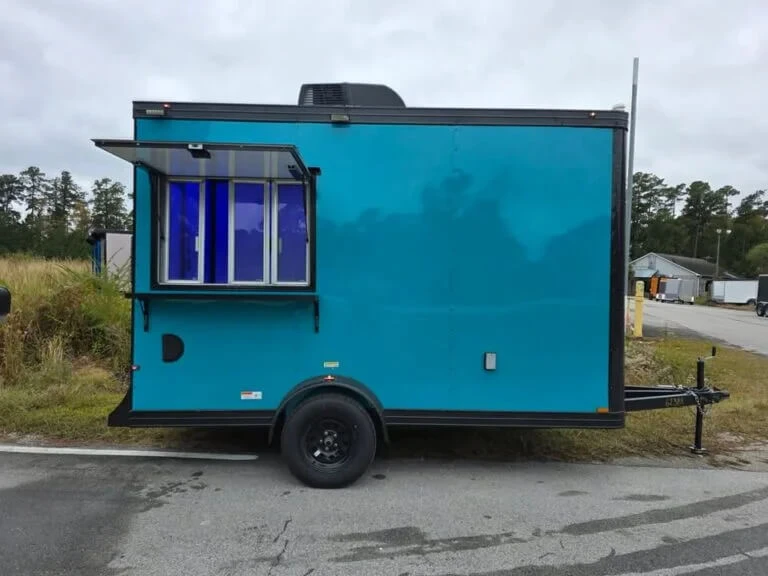
Businesses are placing wider and taller service windows on their units to enhance customer interaction and improve ventilation. These windows also make the trailer feel more open, inviting guests to view cooking activities and engage with staff during ordering.
8. Technology-Based Kitchen Controls
Digital timers, touchscreen temperature gauges, smart fryers, and digital menu boards are becoming more common. Technology-centered designs help operators check internal temperatures quickly, track cook times, and manage inventory with greater accuracy. These additions benefit larger teams that depend on consistent output.
9. Eye-Catching Exterior Finishes
Design trends for 2026 include sleek wraps, color-blocking, and textured vinyl. Businesses are leaning toward bold graphics that reflect their branding, allowing customers to easily recognize the unit from a distance. The exterior finish is increasingly viewed as part of the overall customer experience.
10. Eco-Minded Design Elements
Sellers are gradually incorporating components that support lower energy use and safer waste handling. LED lighting, reduced-water sinks, composting options, and recyclable container storage highlight this shift. Many new mobile kitchens are also designed to fit solar-assist power systems for reduced generator demand.
Questions Food Entrepreneurs Are Asking About 2026 Mobile Kitchens
What layout style supports high-volume service?
Open layouts with center-aisle space and clear prep segments help fast-paced teams move freely during aggressive service windows.
Which materials stand up to long-term food truck usage?
Many manufacturers favor stainless counters, composite flooring, reinforced cabinetry, and aluminum walls.
How can mobile kitchens handle rising energy costs?
Operators are gradually shifting to low-energy appliances, LED lighting, and power systems that work with auxiliary solar assistance.
What features make a mobile kitchen stand out visually?
Wrap graphics, extended service windows, branded lighting, and clean line design patterns are quickly gaining traction.
Conclusion
Mobile kitchen design in 2026 reflects a mix of practicality, adaptable interiors, improved airflow, and strong visual presence. Owners and food creators now prioritize function, comfort, and brand expression when planning their units. These ongoing trends signal a future where mobile culinary spaces feel more polished, efficient, and tailored to the demands of growing customer crowds.