Finding reliable medical equipment and healthcare products is essential for patients, caregivers, healthcare professionals, and medical facilities. Whether someone needs daily living aids, mobility equipment, wound care products, or professional medical instruments, choosing the right supplier can make healthcare management more convenient and efficient. For individuals and healthcare providers searching for medical supply Brooklyn, understanding product quality, availability, and customer support can help them make informed purchasing decisions.
Understanding Your Medical Supply Needs
Medical supplies play an important role in supporting patient care, recovery, and everyday health management. These products range from basic first-aid essentials to specialized equipment used in hospitals, clinics, rehabilitation centers, and residential care settings.
When exploring Brooklyn medical supplies, customers should first identify their specific requirements. A patient recovering from surgery may need wound dressings, mobility aids, and protective equipment, while an individual managing a long-term condition may require monitoring devices and daily care products.
Caregivers should also consider the patient’s comfort, mobility, and level of independence when selecting equipment. Choosing suitable products can help simplify daily routines and support a safer care environment.
A dependable supplier should offer clear product information, appropriate options for different needs, and guidance on selecting suitable equipment. This approach helps customers avoid purchasing products that do not match their requirements.
What to Look for in a Medical Supply Store
Not every medical supply store offers the same range of products or services. Before making a purchase, customers should evaluate several factors to ensure they choose a supplier that meets their healthcare needs.
A well-organized surgical supply store Brooklyn customers can rely on should provide access to essential medical products, transparent product descriptions, and assistance when questions arise.
Important considerations include:
- Product variety: Look for a suitable selection of wound care supplies, examination gloves, mobility aids, patient care products, and other relevant medical essentials.
- Product quality: Check manufacturer information, product specifications, applicable safety standards, and instructions for proper use.
- Availability: Confirm whether essential products are in stock and whether special-order items are available when needed.
- Customer support: Choose a supplier that can explain product features, sizing, compatibility, and appropriate purchasing considerations.
- Delivery options: For customers with limited mobility or demanding schedules, convenient delivery can make obtaining essential supplies easier.
Evaluating these factors can help patients, caregivers, and healthcare professionals make more confident purchasing decisions.
Essential Medical Supplies for Home Healthcare
Home healthcare often requires a combination of products that support personal care, recovery, mobility, and routine monitoring. Having the right supplies available can help patients follow their care plans and make everyday activities more manageable.
Customers searching for medical supply Brooklyn options may need several categories of products, depending on their circumstances.
Wound Care and First-Aid Products
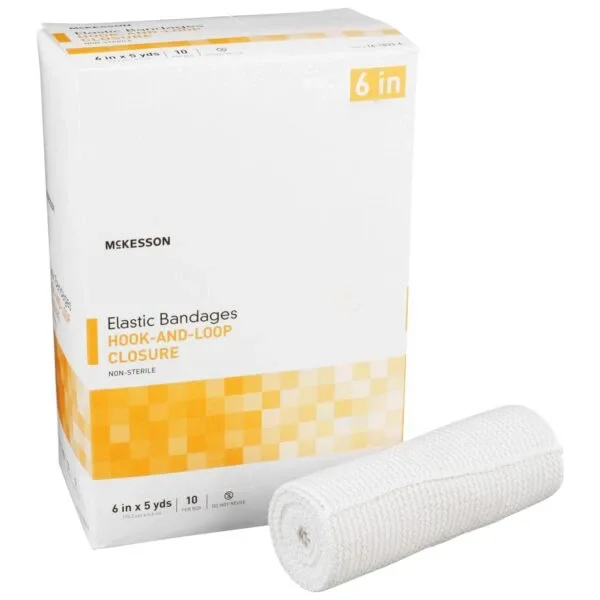
Wound care products may include sterile gauze, adhesive dressings, medical tape, bandages, and protective supplies. These items are commonly used to support appropriate wound management under professional guidance.
Customers should check packaging integrity, expiration dates where applicable, and storage instructions before use. Individuals with surgical wounds, persistent bleeding, signs of infection, or complex injuries should seek guidance from a qualified healthcare professional rather than relying solely on general supplies.
Mobility and Daily Living Equipment
Mobility equipment can help individuals navigate everyday activities with greater stability and independence. Depending on the person’s needs, relevant products may include walkers, canes, wheelchairs, shower chairs, and other supportive aids.
Before purchasing mobility equipment, consider the user’s height, weight capacity, physical abilities, and home environment. Professional assessment can help ensure that the selected equipment is appropriate and properly fitted.
Personal Protective and Patient Care Supplies
Gloves, masks, disposable underpads, protective clothing, and hygiene products may be useful in different home and professional care settings.
When comparing Brooklyn medical supplies, customers should review the intended use of each product and follow the manufacturer’s instructions. For clinical environments, healthcare professionals should select products that meet their facility’s infection prevention and operational requirements.
Finding the Right Surgical Supplies in Brooklyn
Healthcare professionals and medical facilities often require products that support examination, treatment, and routine patient care. Depending on the setting, these may include sterile instruments, surgical dressings, procedure packs, medical gloves, and other clinical essentials.
A reliable surgical supply store Brooklyn healthcare providers choose should make it easier to identify appropriate products and understand their specifications.
Sterility is particularly important for products intended for sterile procedures. Customers should verify that sterile packaging remains intact and that products are suitable for the intended application. Reusable instruments must be processed according to the manufacturer’s validated cleaning and sterilization instructions.
Medical facilities should also evaluate ordering consistency, product traceability, storage requirements, and delivery schedules. Maintaining appropriate inventory levels can help reduce disruptions to routine operations without creating unnecessary overstock.
For specialized procedures, product selection should always follow applicable clinical protocols and professional guidance.
Why Convenient Medical Supply Delivery Matters
Access to essential healthcare products can be challenging for people who have difficulty traveling, are recovering from surgery, or care for family members at home. Convenient delivery services can help reduce the time and effort involved in obtaining frequently used supplies.
When comparing medical supply Brooklyn providers, customers should ask about delivery coverage, estimated arrival times, shipping costs, and procedures for handling damaged or incorrect orders.
It is also helpful to understand return policies before purchasing equipment, especially when products have specific sizing requirements or hygiene restrictions. Medical equipment may have limitations on returns once opened or used, so confirming the policy in advance can prevent misunderstandings.
For recurring needs, customers can create a supply checklist and monitor remaining inventory. Planning purchases before essential products run out can make ongoing care more organized and predictable.
Making an Informed Medical Supply Purchase
Selecting the right supplier involves more than comparing prices. Customers should consider product suitability, quality, availability, support, and the convenience of ordering.
Whether you are purchasing home healthcare essentials, mobility equipment, or professional clinical products, researching Brooklyn medical supplies can help you identify options that align with your requirements.
Before ordering, confirm the product specifications, compatibility with existing equipment, relevant safety information, and any professional recommendations that apply to your situation.
For healthcare providers, consistent purchasing practices and careful inventory management can support efficient operations. For individuals and families, understanding product features and intended uses can simplify daily care.
Ultimately, choosing a dependable surgical supply store Brooklyn residents and healthcare professionals can access is an important step toward managing medical supply needs responsibly. By prioritizing quality, convenience, and informed product selection, customers can find suitable supplies to support home care, recovery, and professional healthcare environments.