Setting the Scene: A Digital Marketing Job Market on Fire
It’s mid-2026, and the digital marketing job landscape is shifting faster than many predicted just a few years ago. Industry reports indicate a surge in hiring for media strategy and digital marketing roles, driven by a complex mix of evolving consumer behaviors, technological advancements, and corporate priorities. According to several recruitment agencies, media strategy positions have seen a growth rate of nearly 40% year-over-year globally since 2024. This surge is not merely a trend; it reflects a fundamental transformation in how brands engage audiences and allocate advertising budgets.
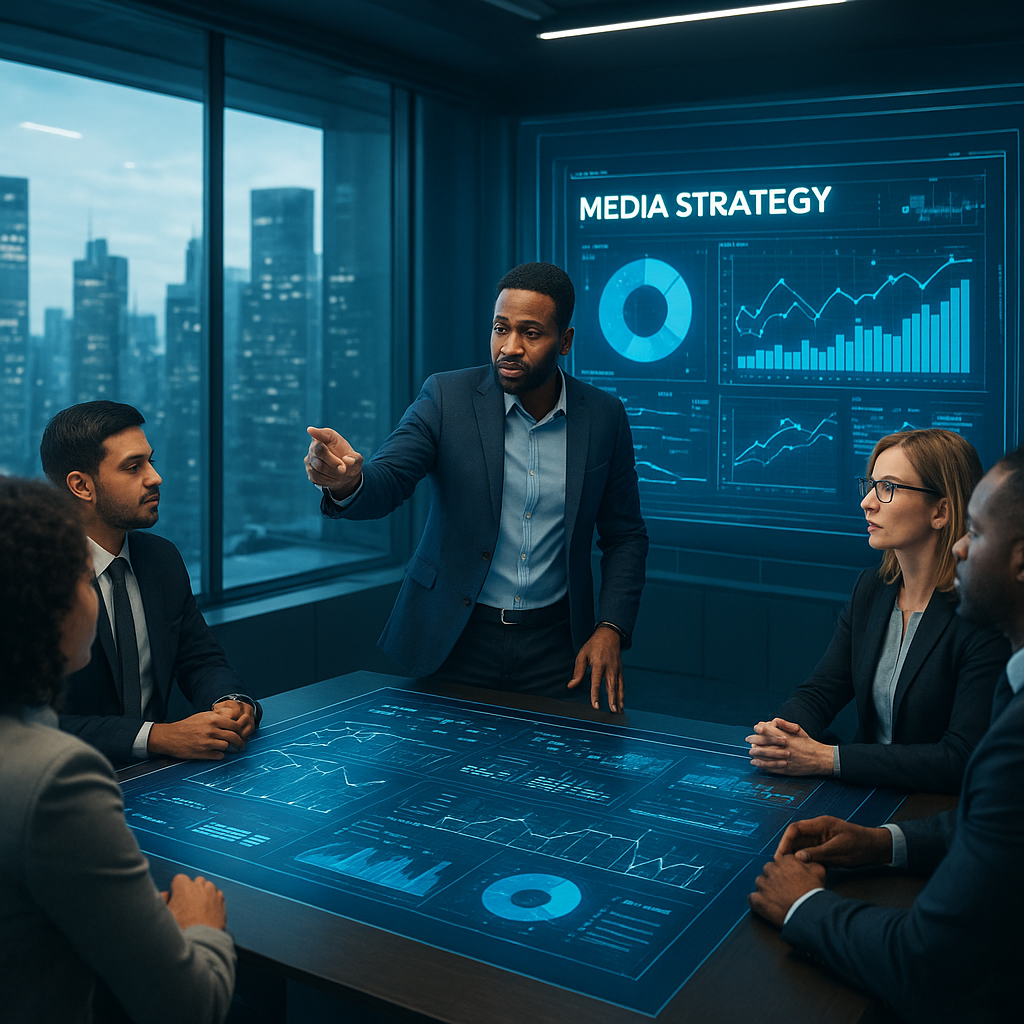
Consider the bustling offices of leading agencies such as WPP and Omnicom, where teams of media strategists work alongside AI specialists and data scientists to craft campaigns that are hyper-targeted yet scalable. Digital marketing roles now demand a broader skill set than ever before, blending creativity with analytics and strategic foresight. The scene is set for professionals who can navigate this complexity and deliver measurable business outcomes.
Tracing the Roots: How Media Strategy Became Central to Digital Marketing
To understand why media strategy jobs are booming, we must look back at the evolution of digital marketing over the past decade. The early 2020s marked a period of intense digital saturation, where brands flooded social media and paid channels with content. However, this saturation led to diminishing returns. Data from industry analysts showed that ad fatigue and consumer skepticism were rising simultaneously, forcing marketers to rethink their approach.
By 2023, media strategy had emerged as a critical discipline. It was no longer enough to simply buy ad space; marketers needed to understand audience behavior deeply, optimize channel mix dynamically, and measure impact with precision. This shift coincided with the rise of advanced AI-driven analytics tools and programmatic buying platforms that enabled real-time campaign adjustments.
Moreover, privacy regulations tightened globally, reshaping data collection and usage policies. Media strategists had to adapt by developing strategies compliant with evolving laws while still delivering personalized experiences.
Looking back, this transformation paved the way for media strategy roles to evolve from execution-focused positions into leadership roles that influence overall marketing direction and business strategy.
Current Landscape in 2026: Data-Driven Strategy and Hybrid Skills in Demand
The current hiring landscape for media strategy and digital marketing jobs reflects an emphasis on hybrid skills combining data science, creative insight, and strategic planning. Companies across sectors—from tech giants like Meta and Google to consumer brands such as Unilever and Nike—are actively recruiting media strategists who can harness first-party data, leverage AI tools, and design omni-channel campaigns.
Market research from Gartner reveals that 68% of digital marketing teams have restructured their media strategy units in 2025 to integrate AI automation specialists alongside traditional roles. This restructuring has created new job titles such as "AI Media Strategist" and "Programmatic Campaign Lead." The demand for these roles is fueled by the need to achieve efficiency and precision in ad spends.
Furthermore, the rise of immersive technologies like augmented reality (AR) and the metaverse has expanded the media strategist’s domain. Brands are investing in virtual environments to reach younger, digitally native audiences, which requires an understanding of novel content formats and user engagement metrics.
“Media strategy is no longer a back-office function; it’s at the heart of brand storytelling and revenue growth. The talent we seek today must be fluent in data, technology, and human psychology,” says Anjali Rao, Chief Marketing Officer at a leading digital agency.
Key Skills Driving 2026 Media Strategy Roles
- Data Analytics and Interpretation: Ability to translate complex datasets into actionable insights.
- Programmatic Advertising Expertise: Mastery of buying platforms and automated bidding strategies.
- Cross-Channel Campaign Design: Integrating social, search, display, video, and emerging channels.
- AI and Machine Learning Application: Leveraging predictive models for audience targeting and personalization.
- Compliance and Privacy Knowledge: Navigating GDPR, CCPA, and new privacy frameworks.
Expert Perspectives: Shaping the Future of Media Strategy Careers
Industry leaders emphasize that media strategy roles are evolving into strategic business functions rather than mere marketing specialties. This evolution is reflected in leadership hires and the creation of Chief Media Officer roles in major corporations.
Experts note that the most successful media strategists in 2026 are those who combine technical prowess with soft skills such as storytelling, negotiation, and cross-functional collaboration. They act as bridges between creative teams, data scientists, and executives.
Dr. Evan Chu, a digital marketing futurist, explains,
“The media strategist today must anticipate market shifts and emerging technologies. They are not just planners but innovators who drive competitive advantage through media investments.”
Additionally, the integration of sustainability and social responsibility into brand messaging has created niches for media strategists who specialize in cause-related marketing. This trend aligns with growing consumer demand for ethical corporate behavior.
What to Watch: Emerging Trends and Career Takeaways
Looking ahead, several trends will shape media strategy and digital marketing hiring:
- Increased Automation with Human Oversight: AI will handle routine optimization, but human strategists will focus on creative problem-solving and ethical considerations.
- Specialization in Niche Platforms: With the continued fragmentation of digital channels, expertise in emerging platforms like decentralized social networks or AI-driven content hubs will be valuable.
- Hybrid Remote-Work Models: Flexible work arrangements will expand access to global talent pools, intensifying competition but also opportunities for diverse candidates.
- Focus on Measurement and ROI: Advanced attribution models will become standard, raising the bar for media strategists to prove impact clearly.
- Continuous Learning and Certification: Professionals will need ongoing education in AI, data privacy, and new media technologies to stay relevant.
For job seekers, the takeaway is clear: cultivating a versatile skillset that blends analytical rigor with creative agility is essential. According to recent analysis on TheOmniBuzz, roles titled "Media Strategy Manager" and "Digital Media Planner" are among the fastest-growing digital marketing jobs, underscoring the premium placed on strategic media expertise.
Those looking to break into the field should consider certifications in programmatic advertising, data analytics, and AI applications, alongside gaining experience in cross-channel campaign management.
Case Studies: Brands Winning with Strategic Media Hiring
Several brands have demonstrated how investing in media strategy talent delivers tangible business results. For example, a Fortune 500 retail company revamped its media buying by hiring a dedicated team of media strategists who integrated AI-driven audience segmentation with creative testing. The initiative boosted online sales by 22% within the first year.
Another illustrative case is a global consumer electronics firm that created a hybrid role combining media strategy and data science. This team optimized ad spend across digital and traditional channels, resulting in a 15% reduction in cost per acquisition while increasing brand awareness metrics by 30%, according to internal reports.
These examples highlight how media strategy roles are not just about placement but about orchestrating complex, data-informed campaigns that align with broader business goals.
For further insights into the evolution of media strategy careers and tactics, see Why Media Strategy Roles Are the Fastest-Growing Jobs in Digital Marketing and How Media Strategy Shapes Digital Marketing Careers in 2026.