Material handling is the center of any warehouse, plant, or distribution center. It dictates how goods flow, how fast you can ship, and whether your team is safe on the floor. Getting this right requires choosing tools that fit your workflow and support your long-term goals.
Modern Business Operations and Material Handling
At its core, material handling is about the movement, storage, and protection of your goods. In manufacturing, moving parts between production stages keeps work on track. In e-commerce, speed drives everything. In both cases, your productivity depends on efficient movement and flow. Effective handling cuts down on delays and keeps your output steady.
Assessing Your Specific Requirements
Before you sign a contract, be clear on what your floor actually needs. Start with what you’re moving. Fragile items, hazardous chemicals, and bulk goods each require different handling and storage approaches. Next, consider volume and peak demand. Congested areas need systems that can keep up without creating congestion when things get busy. Then look at your layout. Storage zones, paths, and loading docks should be the basis of the solution, not the other way around.
Types of Services and Technology
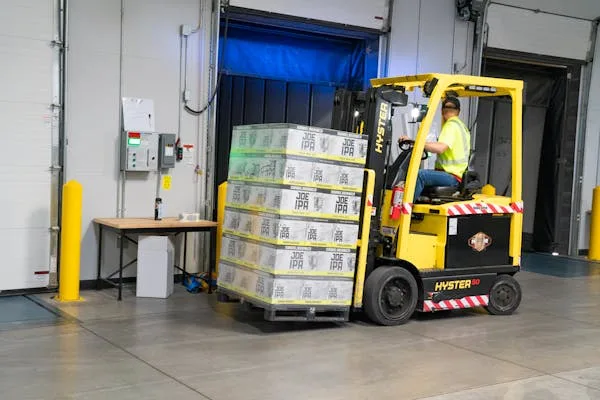
There’s a wide range of material handling services available today. Some businesses stick to manual labor for specialized tasks, while others rely on forklifts, pallet jacks, and conveyors. Many are now moving toward semi-automated or fully automated systems to keep things consistent. The correct plan is often an integrated one that connects your physical movement with your tracking logistics.
Equipment, Safety, and Compliance
When choosing gear, think about scalability. Consider if this equipment will still work if your business doubles in size. It should also fit your current layout without needing a total renovation. Safety is the biggest factor. Proper training and following industry regulations help prevent injuries, reduce risk, and keep operations running without interruptions.
Optimizing the Workflow
The goal is simple: reduce handling time and protect the product. Better systems lead to higher inventory accuracy and less damage in transit. When you improve these processes, your overall productivity naturally climbs.
Counting the Costs
Don't only look at the sticker price. A low upfront cost might mean large maintenance bills later. If you lease or buy , you still need to factor in potential downtime and repair costs. You want a provider that offers flexibility and solutions tailored to your specific industry, whether that’s food and beverage or heavy construction.
Vendor Selection and System Integration
Picking a provider is a big deal. You want someone with deep industry knowledge who offers more than a catalog. They should provide onboarding support and be able to integrate your handling systems with your warehouse software for real-time visibility.
Planning for the Future
Sustainability is becoming a huge factor, with energy-efficient equipment helping to lower long-term costs. As you grow, your system needs to be able to expand or upgrade without a total overhaul. Common mistakes usually involve choosing gear that doesn't fit the actual workflow or forgetting to train the staff properly.
Onboarding and Monitoring
The process starts with a site assessment and ends with ongoing performance checks. From the initial installation to the final staff training, every step should be monitored to make sure the system is doing exactly what it was designed to do-keeping your business moving.