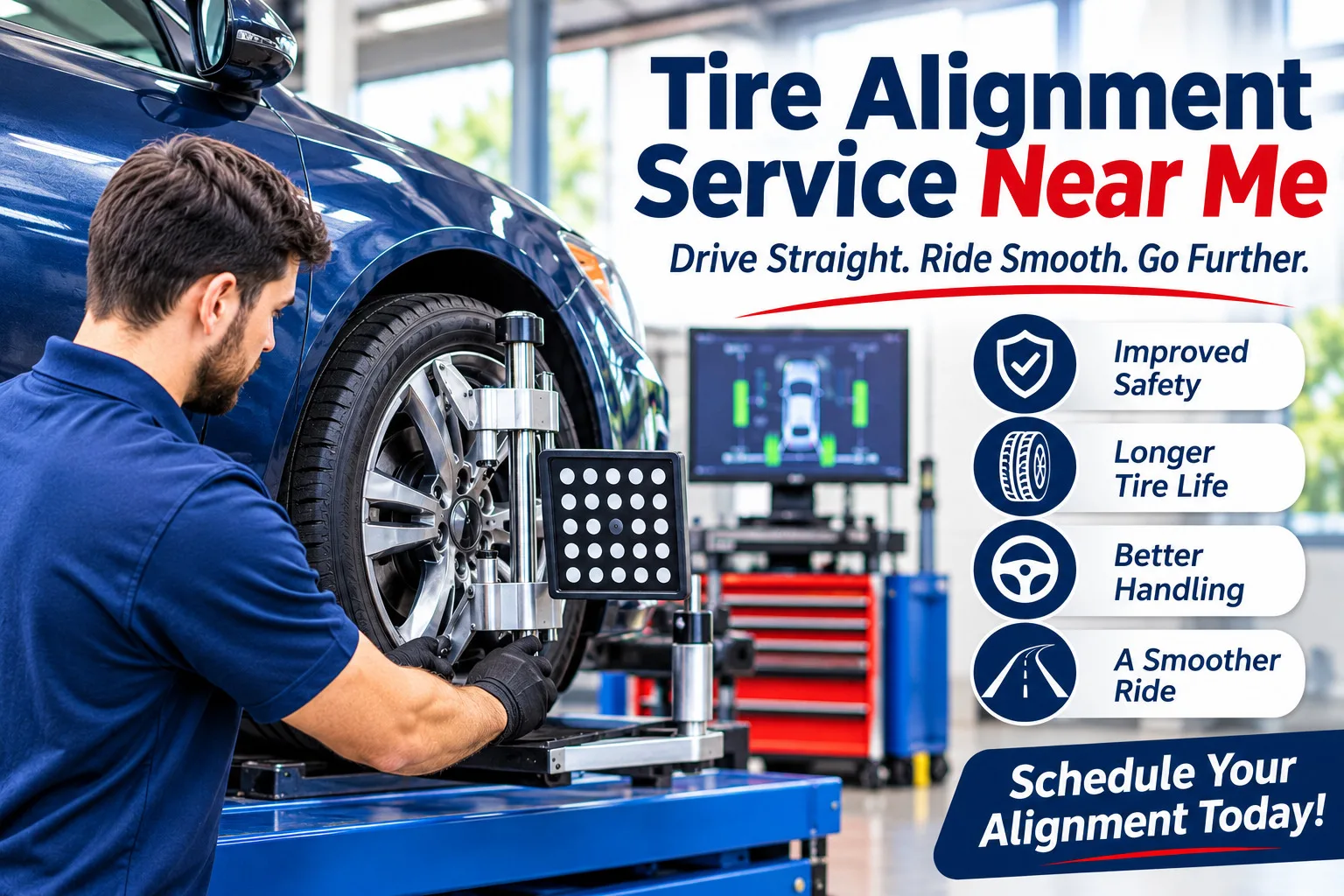
Finding the right automotive service provider can feel challenging when your vehicle starts showing signs of an alignment problem. You might notice that the steering wheel is crooked, your car pulls to one side, or the tires are wearing unevenly.
While these symptoms may indicate misalignment, it is important to understand what a professional alignment involves before scheduling an appointment.
Knowing what happens during the inspection, what technicians check, and when adjustments are needed can help you make an informed decision about vehicle maintenance.
What should I look for when choosing a tire alignment service?
Look for an automotive service provider that uses professional alignment equipment, follows manufacturer specifications, and checks related steering and suspension components. When comparing a tire alignment service near me, consider the inspection process, technician experience, service transparency, and whether the provider explains the results before recommending additional work.
Understand What a Wheel Alignment Actually Includes
A wheel alignment is a process of measuring and adjusting the angles of your vehicle's wheels.
It is important to understand that alignment is not the same as balancing.
- Wheel alignment: Corrects wheel angles to match vehicle specifications.
- Wheel balancing: Corrects uneven weight distribution in the tire and wheel assembly.
Both services support proper tire performance, but they address different problems.
If your steering wheel vibrates at certain speeds, balancing may be worth checking. If your vehicle consistently pulls to one side or the tires show uneven wear, alignment may be necessary.
A proper inspection helps determine which service is appropriate.
What Happens During a Professional Alignment Inspection?
A professional alignment service generally involves several steps.
1. Initial vehicle inspection
The technician evaluates the tires, steering system, and suspension components for visible issues.
2. Checking tire condition and pressure
Incorrect tire pressure can affect handling and may influence the accuracy of alignment measurements.
3. Measuring wheel angles
Alignment equipment measures the vehicle's wheel angles, including camber, caster, and toe where applicable.
4. Comparing measurements with specifications
The technician compares the results with the manufacturer's recommended alignment settings.
5. Making necessary adjustments
If measurements are outside acceptable specifications, the technician adjusts the appropriate components where possible.
6. Verifying the results
The final measurements are reviewed to confirm that the adjustments bring the vehicle closer to the recommended settings.
This process helps ensure that alignment work addresses actual measurement problems rather than relying on assumptions.
Questions to Ask Before Scheduling an Alignment
Before choosing an automotive service provider, consider asking a few practical questions:
- Do you inspect suspension and steering components before alignment?
- Do you follow manufacturer alignment specifications?
- Will you explain the alignment measurements?
- Are additional repairs required before the alignment can be completed?
- What does the quoted service include?
These questions help you understand the work being recommended and avoid confusion about the service.
A trustworthy provider should be able to explain why an adjustment or repair is necessary.
Why Vehicle-Specific Specifications Matter
Not every vehicle uses the same alignment settings. Factors such as vehicle design, suspension configuration, and manufacturer recommendations determine the appropriate measurements.
For example, a passenger car and an SUV may have different alignment specifications even when they show similar symptoms.
Using incorrect settings can prevent the vehicle from handling as intended.
That is why professional alignment equipment and accurate vehicle-specific information are important parts of the process.
How Often Should You Schedule Wheel Alignment?
There is no universal schedule for every vehicle. Your owner's manual is a useful starting point, and your driving conditions should also be considered.
An alignment inspection may be worthwhile when:
- You install replacement tires.
- You replace suspension or steering components.
- Your vehicle hits a pothole or curb.
- You notice uneven tire wear.
- Your steering wheel is no longer centered.
- Your vehicle begins pulling consistently to one side.
Drivers who frequently travel on rough roads may need to pay closer attention to these warning signs.
Choosing a Local Alignment Provider in Plano, TX
Convenience matters, but selecting an automotive service provider should involve more than choosing the closest location.
Look for clear explanations, accurate inspections, and recommendations based on actual vehicle conditions.
Patriot Express Tire & Oil provides wheel alignment services in Plano, TX. Drivers can explore its alignment service information to understand how professional inspections and adjustments help address wheel-positioning concerns.
The right service approach should focus on identifying the problem and explaining the appropriate solution.
Conclusion
Choosing a wheel alignment provider becomes easier when you understand what the service involves. Professional equipment, vehicle-specific specifications, and careful inspection of steering and suspension components all contribute to a reliable alignment process.
Before scheduling an appointment, ask questions and make sure you understand the recommended work. Taking an informed approach can help protect your tires and support consistent vehicle handling.
Frequently Asked Questions
1. How long does a wheel alignment take?
The time depends on the vehicle, its alignment requirements, and whether additional repairs are necessary. A service provider can give you a more accurate estimate after inspecting the vehicle.
2. Is wheel alignment different from tire balancing?
Yes. Alignment adjusts wheel angles, while balancing corrects weight distribution in the tire and wheel assembly. Both address different aspects of tire performance.