
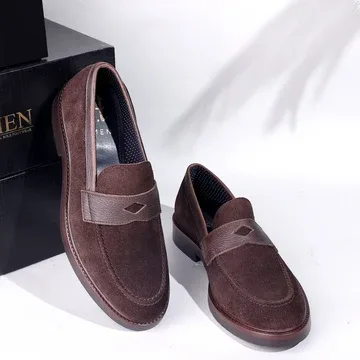
Some shoes are bought for a particular occasion. Others earn their place because they work across several parts of everyday life. Loafers tend to fall into the second category. They can look relaxed with jeans, considered with chinos and smart enough for many occasions that do not call for a traditional lace-up shoe.
For anyone shopping for loafers for men, the choice is not simply between black and brown or leather and suede. Shape, construction and the setting in which the shoes will be worn all affect whether a pair proves genuinely useful.
The best approach is to start with your routine, rather than choosing a style because it happens to be fashionable.
Choosing loafers for men
Loafers come in several familiar designs, each with a slightly different character. Penny loafers have a traditional, understated look, while tassel loafers tend to feel a little more decorative. Driving loafers, often recognised by their flexible construction and rubber detailing beneath the sole, lean towards casual wear.
Think about the occasions you need them for. A simple leather loafer in black or dark brown can work with tailored trousers and smart-casual outfits. Suede styles in tan, navy or lighter brown are often easier to wear with chinos, jeans and relaxed summer clothing.
The shape matters as much as the colour. A slim profile can complement tailored trousers, whereas a heavier sole may sit more naturally with straight-leg jeans or wider cuts. Neither is inherently better; the aim is to find a proportion that works with your wardrobe.
Leather, suede and construction
Material has a practical effect on how loafers look and how much care they require.
Smooth leather is a versatile choice because it can be polished for a smarter finish and is relatively straightforward to maintain. The quality and finish of the leather still matter, so check the product description rather than assuming all leather shoes will age in the same way.
Suede has a softer texture and can make an outfit feel less formal. It is particularly effective with knitwear, chinos and casual tailoring, although it needs protection from heavy rain and careful cleaning when marked.
Pay attention to the sole, too. A thin, traditional sole may create a refined silhouette, while rubber can offer more cushioning and practical grip for regular walking. The right option depends on how long you expect to wear the shoes and the surfaces you encounter.
How to style men's loafers
One of the strengths of men's loafers is that they can bridge the gap between formal and casual clothing without much effort.
For a smart-casual look, try dark brown leather loafers with navy chinos and a lightweight shirt. Suede loafers can work well with jeans and a fine-knit jumper, particularly during spring and summer. With a suit, a sleek, well-maintained leather pair may be suitable for less traditional settings, provided the dress code allows it.
Trousers make a difference. A clean hem that sits just above or lightly on the shoe can help show its shape. Excessively long trousers may bunch around the ankle and obscure the detail that makes loafers distinctive.
Socks are a matter of occasion and personal preference. No-show socks can suit casual warm-weather outfits, while fine, coordinating socks often look more considered with tailored trousers. Bare ankles are not essential to wearing loafers well.
For those comparing styles for everyday and smarter outfits, Amen Shoes is one place to explore men's footwear options.
CompareShoes
When men's formal shoes are more appropriate
Loafers can work in many smart settings, but they are not a universal replacement for dress shoes.
Traditional business environments, formal ceremonies and occasions with a strict dress code may call for men's formal shoes, such as Oxford or Derby styles. Their structured design and conventional appearance tend to sit more naturally with formal suiting.
A polished loafer can still be appropriate for a summer wedding or a relaxed business event, depending on the outfit and expectations. The distinction is less about one style being superior and more about choosing footwear that suits the occasion.
If you regularly attend formal events, keeping a classic lace-up pair alongside loafers gives you more flexibility.
Getting the fit and care right
Loafers should feel secure without pinching across the toes or instep. Because they do not have laces to adjust the fit, heel movement deserves particular attention. A little movement may occur, but excessive slipping can make walking uncomfortable.
Try shoes on with the socks you expect to wear. Walk around before deciding, and do not rely on a tight pair stretching enough to become comfortable.
Care depends on the material. Brush suede gently with an appropriate brush and use a suitable protector if recommended. Clean leather with products designed for its finish, and allow damp shoes to dry naturally away from direct heat. Storing them in a dry, ventilated place helps preserve their condition.
Ultimately, the best loafers for men combine a comfortable fit, appropriate construction and a style that works with clothes you already own. Choose a pair for the occasions you actually attend, and they are far more likely to become a regular part of your wardrobe than an impulse purchase reserved for special days.
FAQ
Can men wear loafers with a suit?
Yes, particularly for smart-casual events, summer occasions and less traditional dress codes. For highly formal events, classic Oxford or Derby shoes may be more appropriate.
Are loafers suitable for everyday wear?
They can be, provided the fit, cushioning and sole suit your routine. If you walk long distances, prioritise comfort and grip rather than appearance alone.
Should loafers fit tightly?
They should feel secure without causing pressure or pain. Since most loafers have no laces, excessive heel slipping can be a sign that the fit is wrong.
Are leather or suede loafers better?
Leather is often easier to maintain and can look smarter, while suede offers a softer, more relaxed finish. The better choice depends on your wardrobe, intended use and willingness to care for the material.
Can loafers be worn in winter?
Some can be worn in mild, dry winter conditions, but many loafers provide limited coverage and traction in cold or wet weather. For harsher conditions, a suitable boot is usually more practical.